
 EN
EN
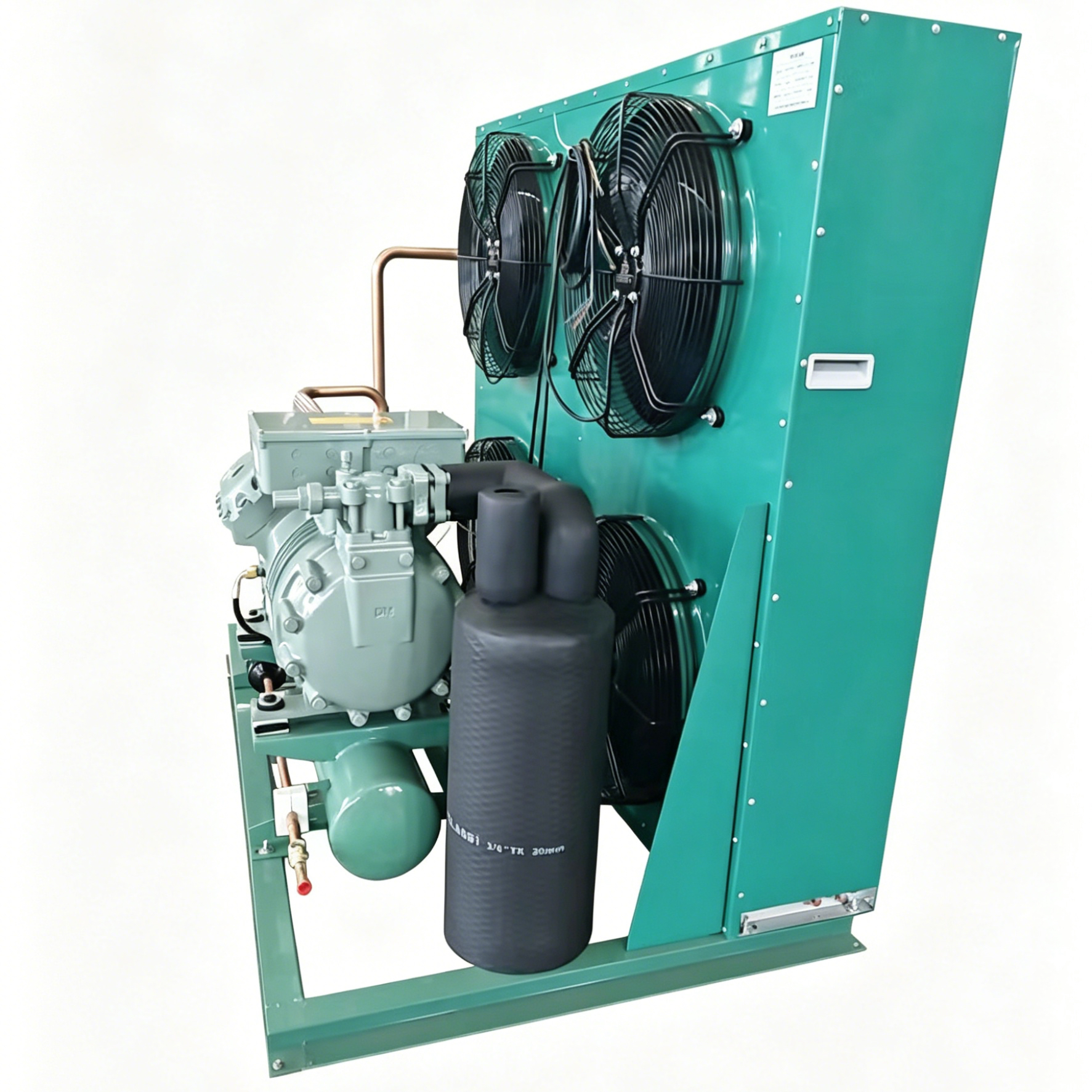
Achieving optimal performance in refrigeration systems depends on precise alignment between your condensing unit and evaporator load. When these components operate in harmony, your system delivers maximum efficiency, extends equipment lifespan, and reduces operational costs. Mismatched capacity creates inefficiency, frequent cycling, compressor stress, and premature failure. Understanding how to properly size and match your condensing unit to your specific evaporator load is essential for any industrial refrigeration application, whether you operate a commercial warehouse, food storage facility, or processing plant.
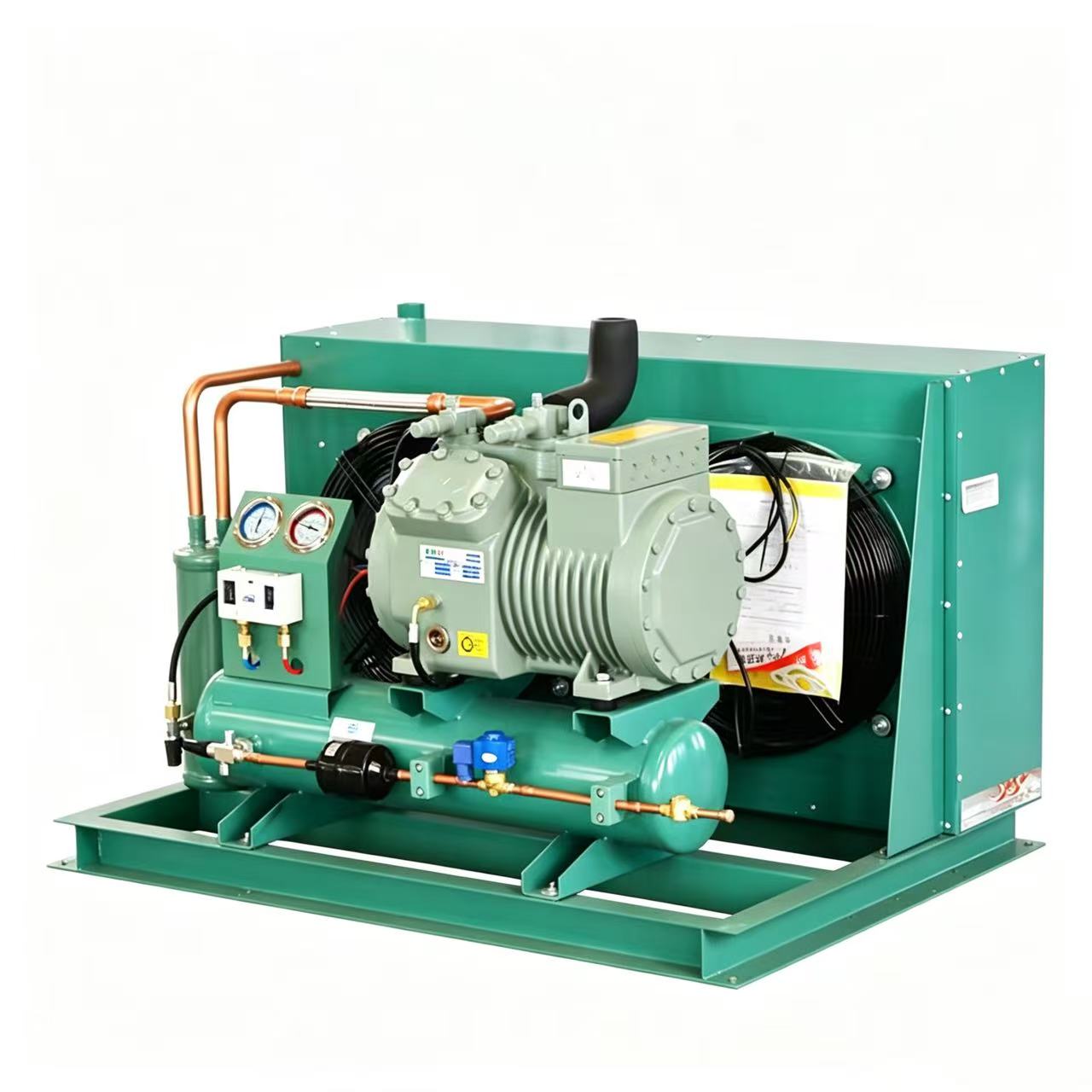
The relationship between your condensing unit and evaporator load determines system reliability and performance outcomes. A condensing unit rated below your actual evaporator load cannot adequately reject heat, causing temperature swings and inadequate cooling. Conversely, oversizing your condensing unit wastes energy and creates unnecessary capital expense. This guide explains the critical factors for matching condensing unit capacity to your evaporator load, including calculation methodology, load analysis, and practical selection strategies.
Understanding Condensing Unit Capacity Requirements
Defining Evaporator Load and Heat Rejection Needs
Your evaporator load represents the total heat that must be removed from a controlled space to maintain desired temperature. This load includes product cooling, infiltration heat gain, equipment operation, and occupancy-related sources. The condensing unit must reject this load plus the heat generated by the compressor during compression. This total heat rejection responsibility determines the minimum condensing unit capacity required. Undersizing your condensing unit creates a capacity shortfall that prevents adequate cooling and system stabilization.
Heat rejection capacity of any condensing unit depends on outdoor ambient conditions, fan speed, and refrigerant flow rate. Higher ambient temperatures reduce condensing unit efficiency because the temperature differential between refrigerant and outdoor air decreases. Your condensing unit must maintain adequate subcooling and pressure differential across the expansion device under all anticipated operating conditions. This means calculating peak evaporator load and selecting a condensing unit with sufficient capacity across the full range of expected ambient temperatures.
Calculating Total System Load
Begin your condensing unit sizing by calculating total evaporator load across all heat sources. Product load includes the sensible heat removal needed to cool incoming product to storage temperature, plus latent heat from respiration or defrosting cycles. Infiltration load accounts for warm air entering through doors, passages, or equipment openings. Internal heat sources include lighting, personnel, equipment operation, and any active processing occurring within the controlled space. Each component contributes to the total evaporator load your condensing unit must handle continuously or seasonally.
A properly sized condensing unit must accommodate peak load conditions while maintaining adequate performance margin. Most industrial applications require a 15 to 20 percent capacity buffer above calculated peak load to ensure your condensing unit responds adequately to temporary load spikes and maintains system stability. This buffer also accounts for condenser fouling and performance degradation over time. Without this safety margin, your condensing unit may become undersized as refrigerant charge or condenser cleanliness changes during operation.
Factors Affecting Condensing Unit Selection
Ambient Temperature and Operating Conditions
Ambient temperature profoundly impacts condensing unit performance and capacity. Your condensing unit rejects heat through air-cooled or liquid-cooled condenser sections, and heat transfer efficiency depends on maintaining adequate temperature differential. In high-ambient climates, your condensing unit experiences reduced capacity as outdoor temperature approaches saturation temperature of the refrigerant. Seasonal variation in ambient temperature means your condensing unit may operate at full capacity during summer while substantially oversized during winter.
Selecting the right condensing unit requires defining design ambient temperature, which typically represents the 99th percentile outdoor temperature for your location. Some applications require your condensing unit to maintain cooling capacity even during extreme weather events, necessitating larger equipment or supplementary cooling capacity. Variable speed condenser fans allow your condensing unit to modulate performance based on actual ambient conditions, improving efficiency when outdoor temperature drops below design conditions.
Refrigerant Type and Thermodynamic Properties
Your choice of refrigerant directly affects condensing unit sizing and performance characteristics. Different refrigerants exhibit different heat transfer coefficients, pressure ratios, and volumetric capacities. A condensing unit designed for one refrigerant may not deliver equivalent capacity with a different refrigerant type. High-pressure refrigerants allow more compact condensing unit design but require heavier construction and higher safety standards. Low-pressure refrigerants demand larger condensing unit equipment for equivalent capacity, affecting both cost and installation space.
Modern environmental regulations increasingly restrict traditional refrigerants, requiring condensing unit designs compatible with lower-GWP or zero-GWP alternatives. When transitioning to new refrigerants, verify that existing condensing unit equipment remains suitable or plan for replacement. The thermodynamic properties of replacement refrigerants may require your condensing unit to operate at different pressures or temperatures, affecting system efficiency and reliability. Consulting with refrigeration engineers ensures your condensing unit selection aligns with current and anticipated refrigerant regulations.
Matching Condensing Unit Capacity to System Load
Load Analysis and Equipment Sizing
Begin matching your condensing unit by conducting detailed load analysis for each zone or chamber served. Map all heat sources, document product throughput, establish temperature requirements, and calculate seasonal variation in load. This analysis provides the foundation for selecting appropriate condensing unit capacity and configuration. Many industrial applications benefit from modular condensing unit design, allowing capacity adjustment as operational loads change or facility expansion occurs. Your condensing unit can be sized for current needs with provisions for future capacity enhancement.
Coordinate condensing unit selection with compressor type, refrigerant charge, and expansion device characteristics. The pressure ratio across your condensing unit must align with compressor displacement and efficiency rating. A severely oversized condensing unit creates excessively low discharge pressure, reducing compressor capacity utilization and efficiency. Conversely, undersizing your condensing unit forces high discharge pressure, increasing compressor temperature and energy consumption. Matching your condensing unit to compressor and expansion device creates harmonious operation across the full load range.
System Commissioning and Performance Verification
Once your condensing unit installation is complete, verify actual performance matches design expectations. Measure discharge pressure, subcooling, superheat, and temperature differential across the condenser section while operating under typical load conditions. Compare measured performance against manufacturer ratings for your condensing unit at actual operating conditions. Inadequate subcooling suggests your condensing unit capacity is insufficient; excessive subcooling indicates oversizing. Proper system commissioning identifies any mismatch between condensing unit and evaporator load early, allowing correction before extended operation.
Monitor condensing unit performance over time, tracking pressure trends and capacity changes. Condenser fouling, refrigerant leakage, or compressor wear gradually reduce system performance even if initial sizing was correct. Regular maintenance of your condensing unit, including coil cleaning, fan inspection, and refrigerant analysis, preserves capacity and efficiency. Seasonal load variations may require adjustment of your condensing unit fan speed or capacity control settings to optimize performance throughout the year. Proactive management ensures your condensing unit continues delivering optimal performance matched to actual evaporator load.
FAQ
What happens when condensing unit capacity is too small for evaporator load?
An undersized condensing unit cannot reject sufficient heat, causing discharge pressure and temperature to rise excessively. The compressor operates under stress, consuming more energy while failing to maintain target evaporator temperature. Frequent cycling and rapid pressure fluctuations reduce efficiency and accelerate equipment wear. Your condensing unit becomes a system bottleneck, preventing adequate cooling even as the compressor runs continuously. This condition requires either upgrading to a larger condensing unit or reducing the evaporator load through operational changes.
How does outdoor temperature affect condensing unit performance?
Higher ambient temperatures reduce the temperature differential available for heat rejection through your condensing unit condenser. Your condensing unit must operate at higher discharge pressure to maintain adequate temperature differential as outdoor temperature rises. This increased pressure ratio reduces compressor efficiency and cooling capacity. During design ambient conditions, your condensing unit delivers full rated capacity; during cooler conditions, performance exceeds requirements but energy consumption may be higher than necessary. Selecting your condensing unit based on peak ambient temperature ensures adequate performance year-round.
Can an oversized condensing unit cause problems in refrigeration systems?
An oversized condensing unit reduces discharge pressure below design conditions, causing poor compressor efficiency and inadequate liquid subcooling. Low discharge pressure may prevent proper operation of pressure-controlled expansion devices, resulting in inconsistent cooling. Your condensing unit may cycle excessively as capacity exceeds load, increasing energy consumption and mechanical stress. Oversizing is less problematic than undersizing but still reduces system efficiency and reliability. Proper matching of your condensing unit to actual evaporator load optimizes performance and operating cost.