air evaporator
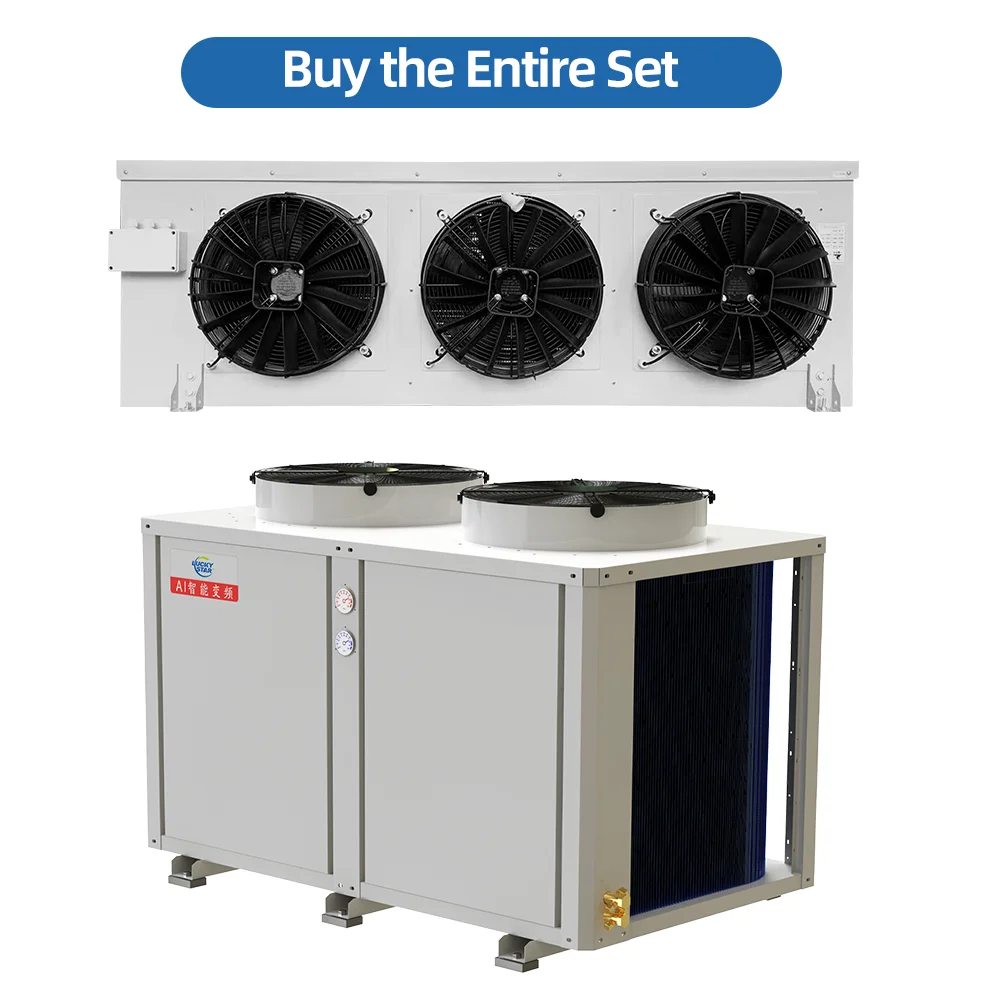
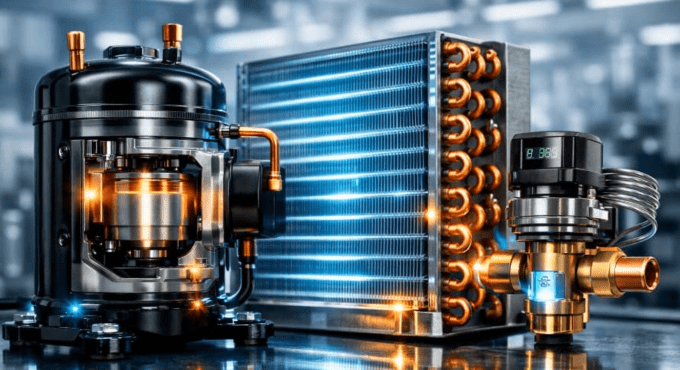
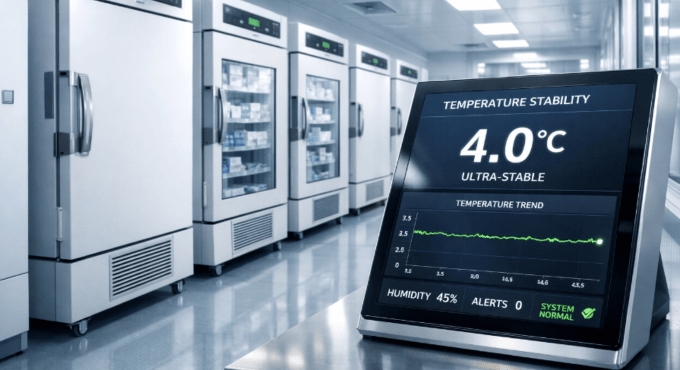
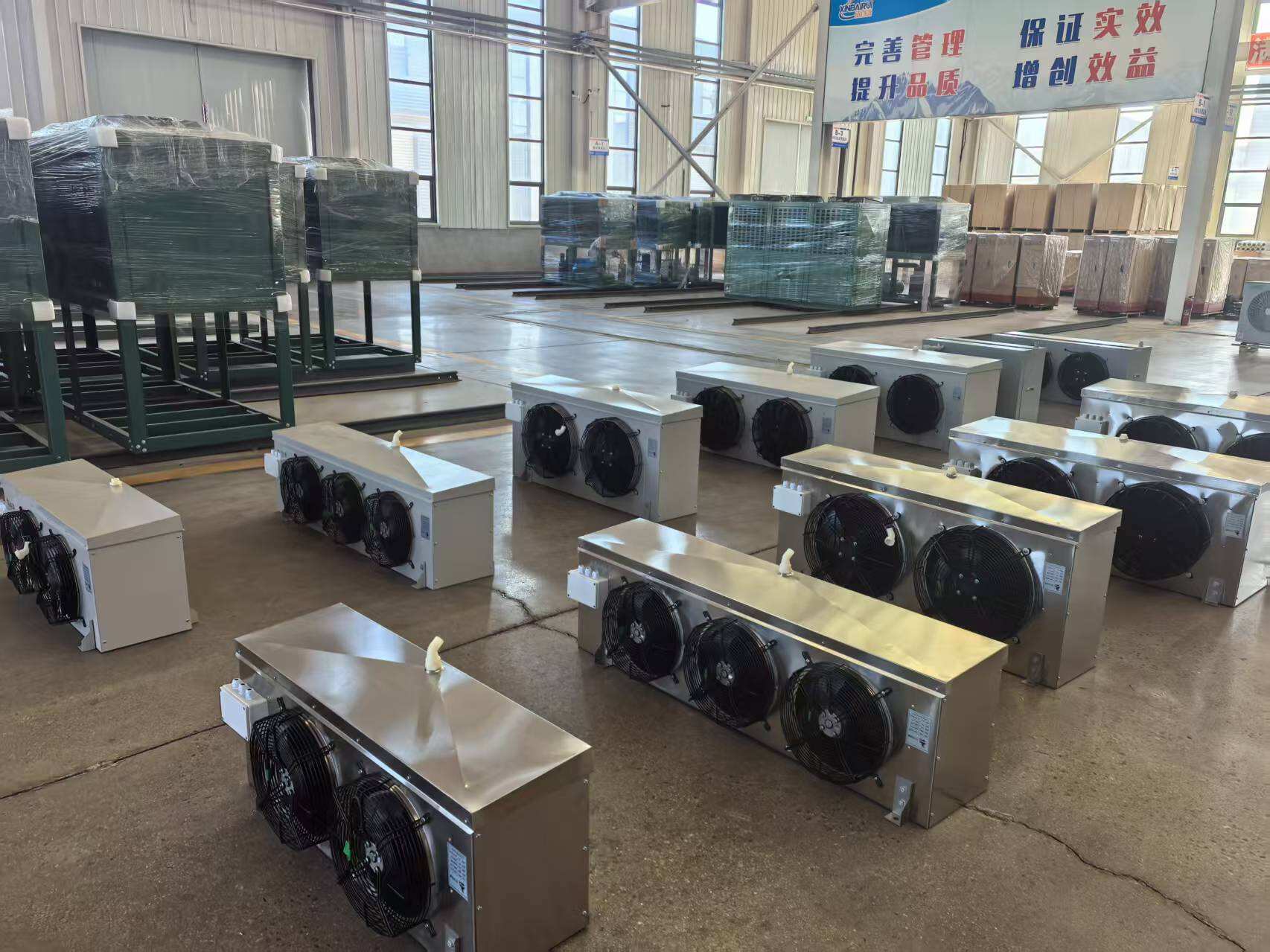
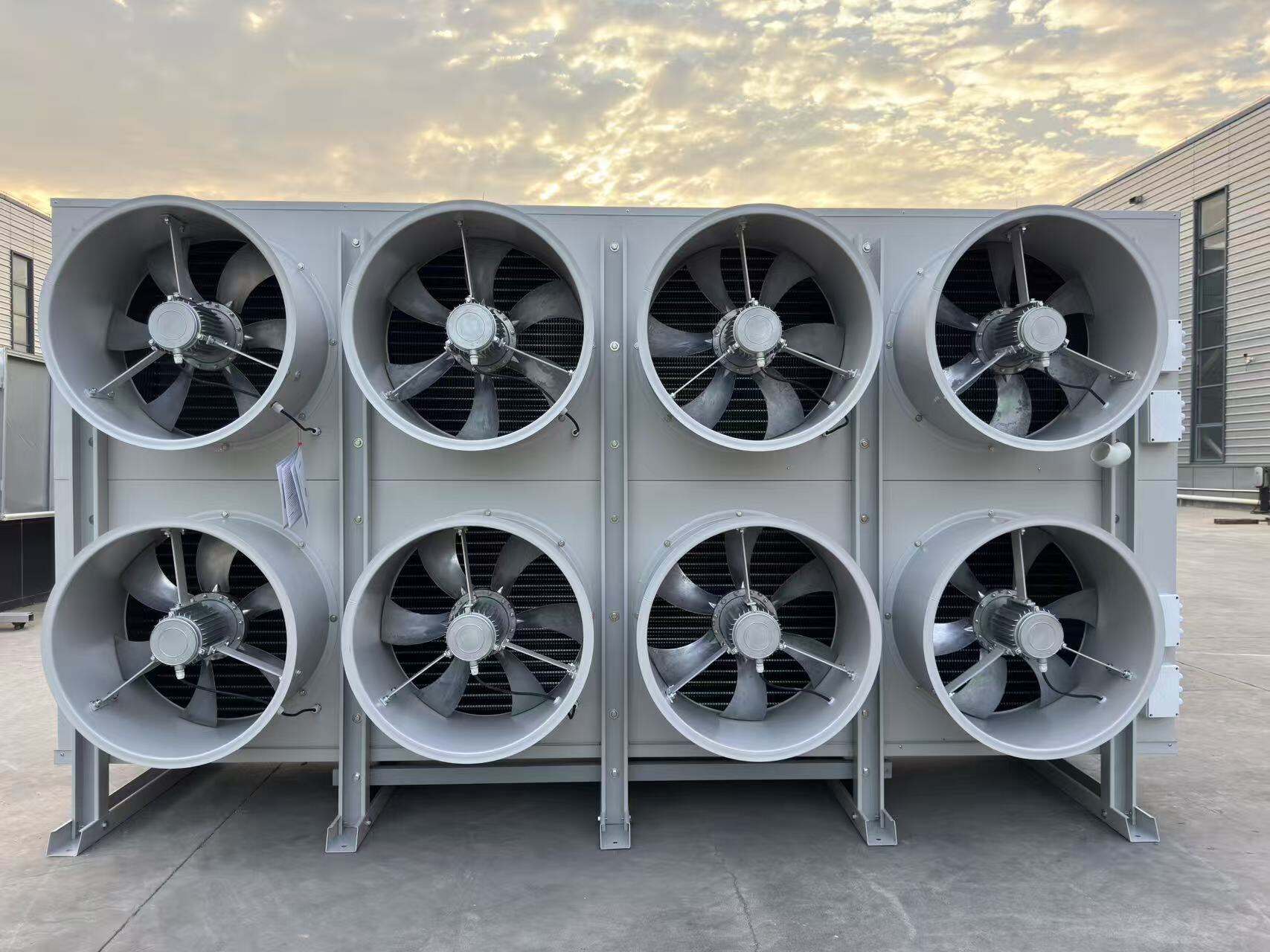
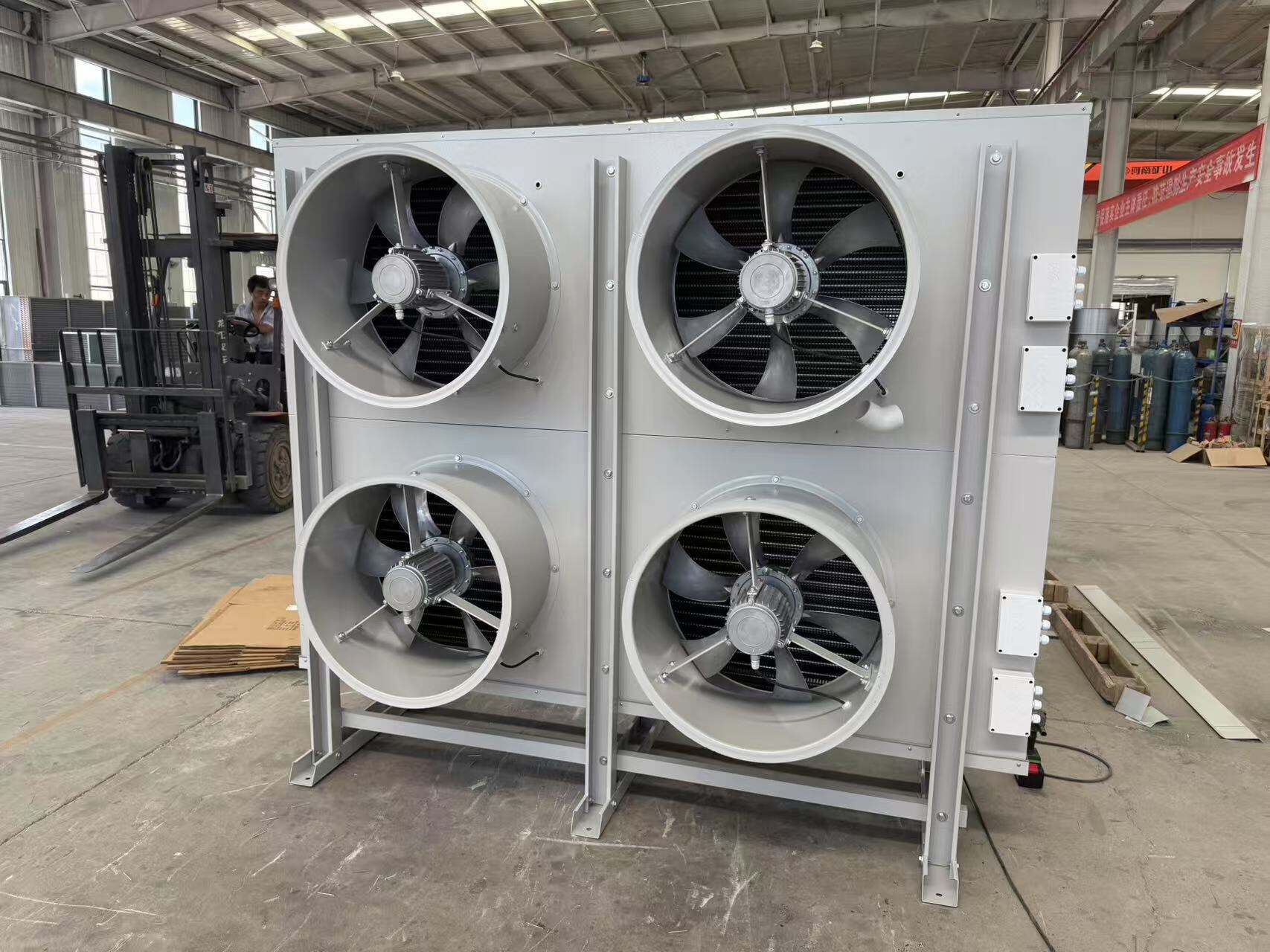
An air evaporator is a vital heat exchange device designed to absorb thermal energy from the surrounding air and transfer it to a refrigerant or cooling medium. This essential component operates by facilitating the evaporation process, where liquid refrigerant transforms into vapor while extracting heat from the air passing over its coil surface. The air evaporator functions as the cooling element in refrigeration systems, air conditioning units, and various industrial applications where temperature control is critical. The device consists of a coil structure with extended fin surfaces that maximize contact with ambient air, enabling efficient heat transfer. Modern air evaporator designs incorporate advanced materials and engineering principles to optimize performance across diverse operating conditions. The technology features precisely calculated coil configurations, spacing patterns, and airflow dynamics that ensure consistent cooling capacity. Applications span residential climate control, commercial refrigeration, food preservation systems, pharmaceutical storage, data center cooling, and process temperature management in manufacturing facilities. The air evaporator serves industries requiring reliable temperature reduction, humidity control, and environmental conditioning. Its versatility makes it suitable for both small-scale installations and large industrial operations. The unit integrates seamlessly with compressors, condensers, and expansion valves to form complete refrigeration cycles. Understanding the air evaporator's role in thermal management helps users select appropriate systems for specific cooling requirements, ensuring optimal energy efficiency and operational reliability in temperature-sensitive applications.



 EN
EN