compression in refrigeration system
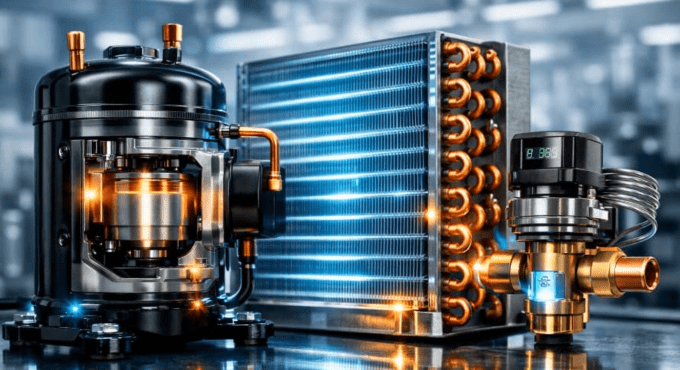
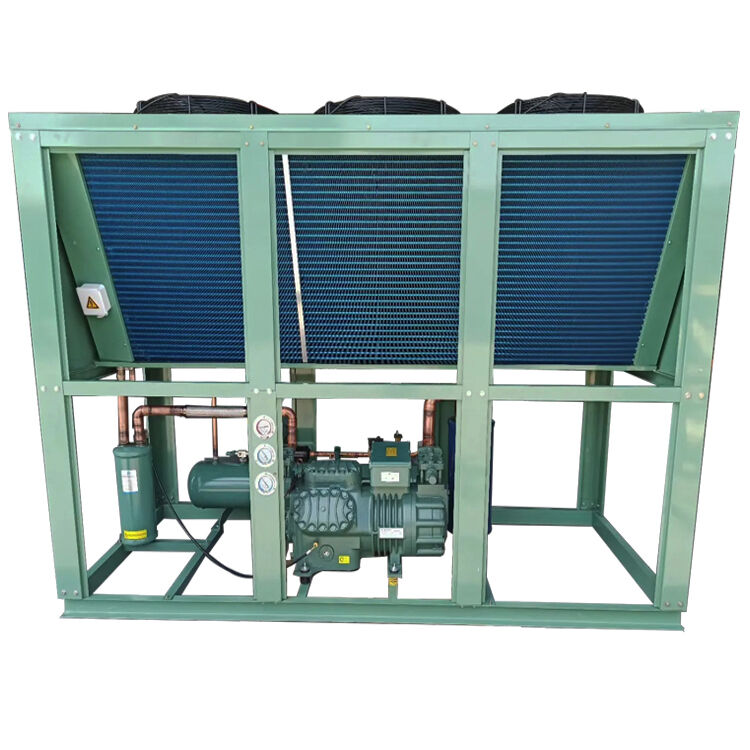
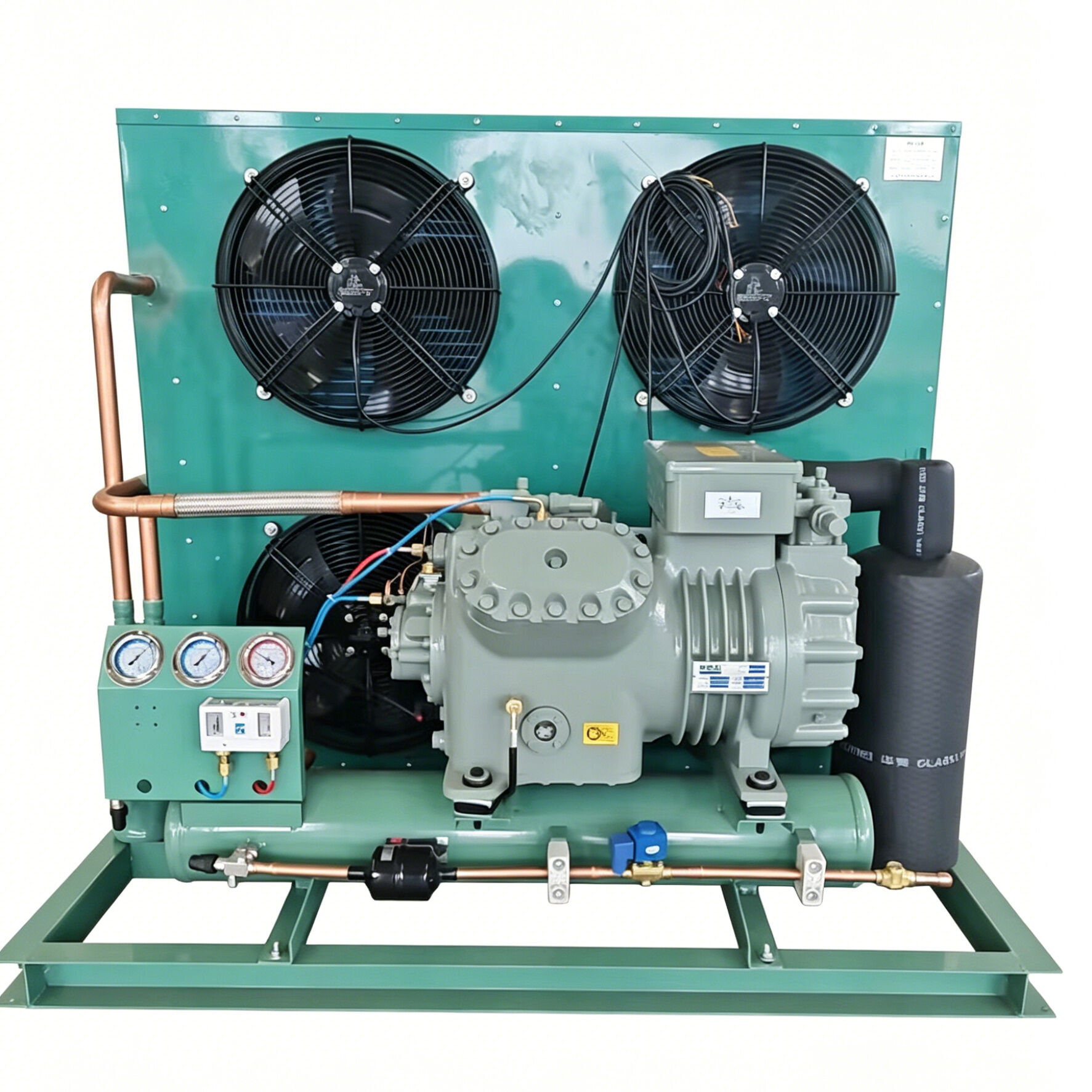
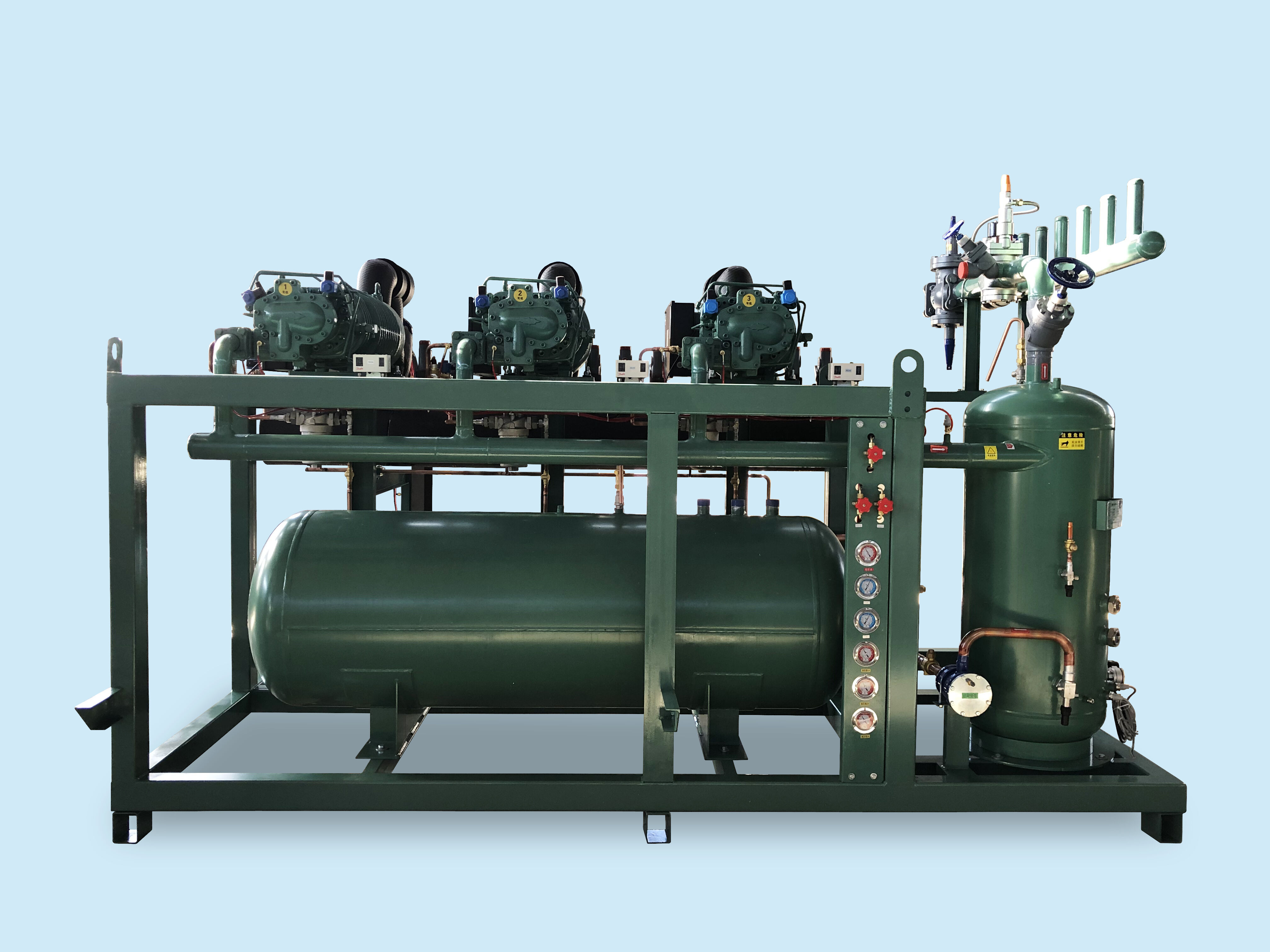
Compression in refrigeration system represents the critical stage where refrigerant gas undergoes pressurization to enable efficient heat transfer and cooling. This fundamental process involves a compressor unit that draws low-pressure, low-temperature refrigerant vapor from the evaporator and compresses it into high-pressure, high-temperature gas. The compression in refrigeration system serves as the heart of the cooling cycle, providing the necessary energy to circulate refrigerant throughout the entire system. During this phase, the compressor increases both the pressure and temperature of the refrigerant, preparing it for the condensation stage where heat rejection occurs. Modern compression technology utilizes various compressor types including reciprocating, scroll, screw, and centrifugal designs, each suited for specific applications and capacity requirements. The efficiency of compression in refrigeration system directly impacts overall system performance, energy consumption, and operational costs. Advanced compressor designs incorporate variable speed drives, enhanced lubrication systems, and precision-engineered components to maximize reliability and minimize energy waste. This compression stage is essential for maintaining proper refrigerant flow, ensuring adequate cooling capacity, and achieving desired temperature control across residential, commercial, and industrial applications. Understanding the compression in refrigeration system enables facility managers and system designers to optimize performance, reduce operational expenses, and extend equipment lifespan through proper selection and maintenance practices.




 EN
EN