
 EN
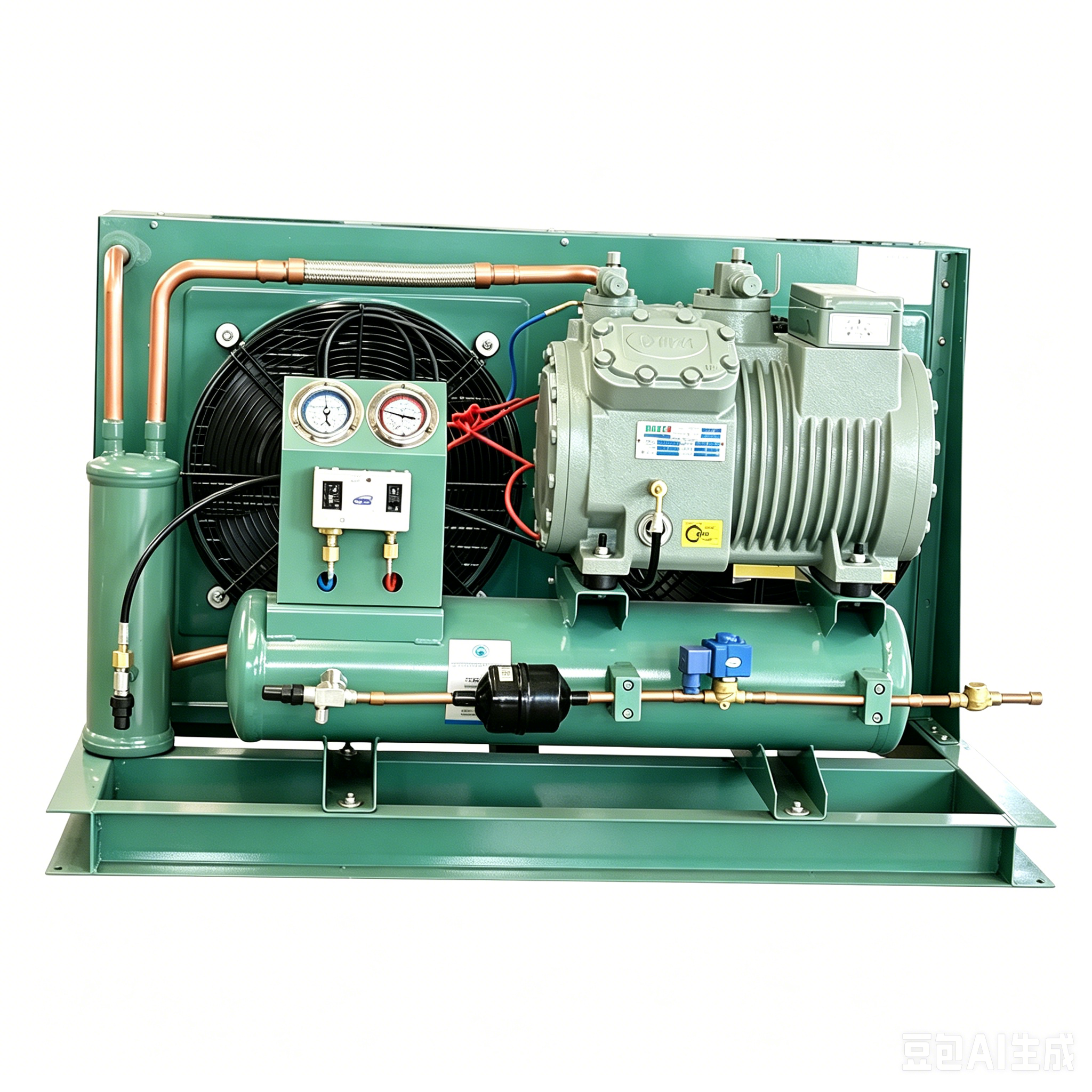
The h type condensing unit operates within specific environmental parameters to maintain peak efficiency and longevity in outdoor refrigeration applications. Understanding the maximum ambient temperature threshold for your h type condensing unit is essential for preventing equipment failure, maintaining warranty coverage, and ensuring consistent cooling performance across seasonal variations. Industrial refrigeration systems depend heavily on ambient air conditions, and the h type condensing unit represents a critical component that must function reliably regardless of external temperature fluctuations.
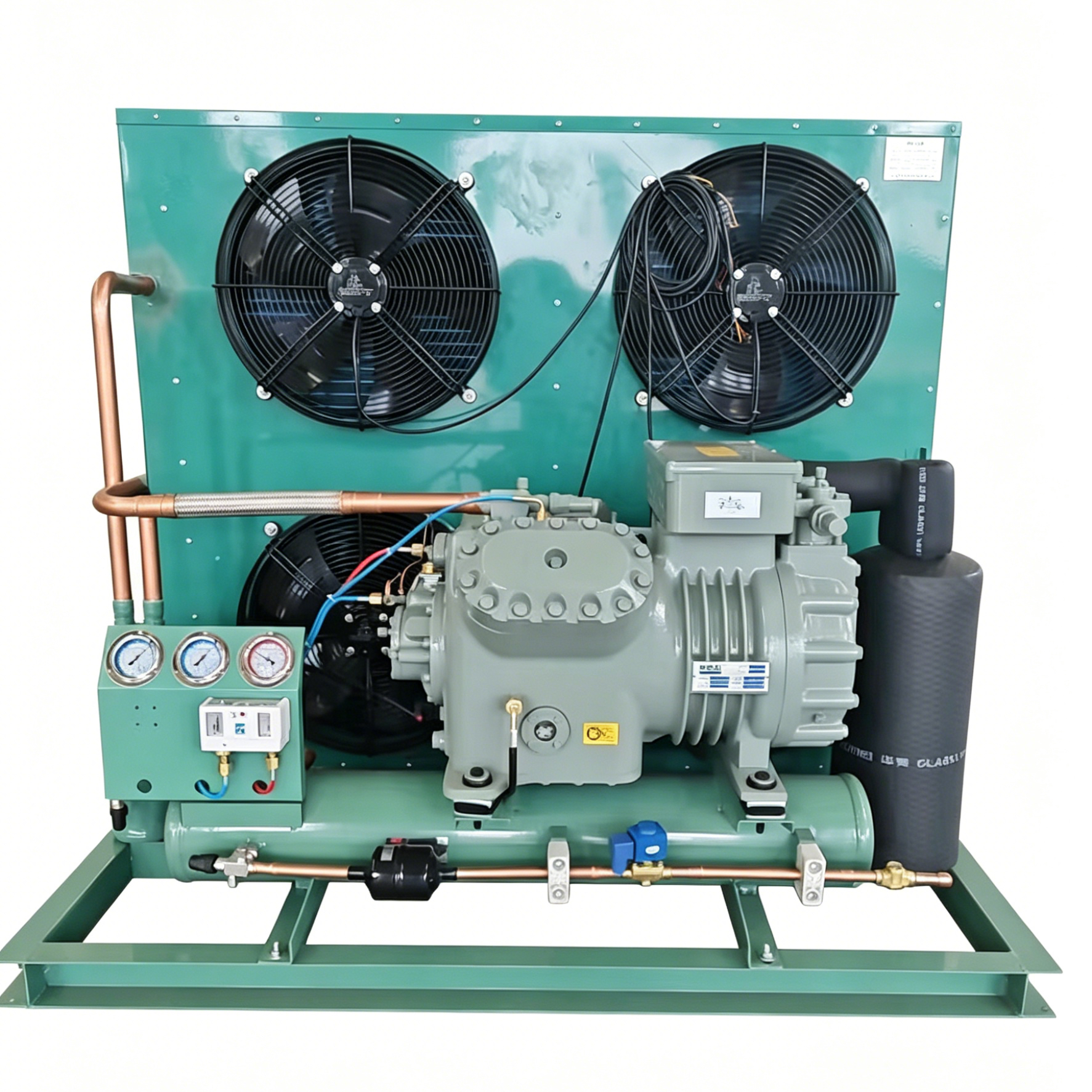
The h type condensing unit is engineered with specific heat rejection capabilities, and exceeding maximum ambient temperature limits compromises these design parameters. When outdoor temperatures rise beyond the rated specification for your h type condensing unit, the system struggles to reject heat effectively, leading to elevated head pressure, reduced cooling capacity, and accelerated compressor wear. Knowing these thermal boundaries allows facility managers to implement proper maintenance schedules, cooling strategies, and equipment protection measures.
Understanding Ambient Temperature Limits for H-Type Condensing Units
Design Specifications and Temperature Ratings
Most h type condensing unit models are rated for maximum ambient temperatures between 43°C and 46°C, with standard configurations typically rated at 43°C under normal operating conditions. The h type condensing unit achieves this temperature rating based on its heat transfer surface area, fan capacity, and design pressure relationships established during factory testing. Exceeding the specified maximum ambient temperature for your h type condensing unit causes thermodynamic imbalance, where the outdoor air temperature approaches or matches the condensing temperature, preventing effective heat rejection.
The h type condensing unit performance curve shows linear degradation once ambient temperatures climb toward the upper limit. At 40°C ambient, an h type condensing unit maintains approximately 95% of rated capacity. At 43°C ambient, capacity remains at 100% under standard rating conditions. Beyond 43°C, each additional degree of ambient increase reduces h type condensing unit capacity by approximately 2 to 3 percent, making temperature management critical for continuous-duty applications.
Seasonal and Geographic Considerations
Geographic location directly influences how frequently your h type condensing unit operates near maximum ambient temperature limits. Regions with extreme summers or desert climates require special attention to h type condensing unit installation location, orientation, and supplementary cooling strategies. Facilities in temperate zones may experience only occasional exposure to maximum ambient conditions, while tropical or arid regions see sustained high-temperature operation that stresses the h type condensing unit continuously.
The h type condensing unit location within your facility matters significantly; units positioned in direct sunlight experience radiant heat loading that effectively raises the perceived ambient temperature 5 to 10 degrees above actual air temperature. Proper shading, adequate clearance from walls and structures, and unobstructed airflow pathways help maintain the h type condensing unit within thermal design parameters even during peak outdoor conditions.
Operational Consequences of Exceeding Maximum Temperature Thresholds
Head Pressure Rise and System Stress
When ambient temperature exceeds the h type condensing unit rating, head pressure rises disproportionately, creating cascading stress throughout the refrigeration circuit. The h type condensing unit cannot reject sufficient heat to the outdoor air, so refrigerant condenses at progressively higher pressures and temperatures. This elevated head pressure on the h type condensing unit forces the compressor to work harder, consuming additional electrical power while generating excess heat that further degrades system performance.
High-pressure operation on the h type condensing unit increases mechanical stress on compressor bearings, valve seats, and seal components, accelerating wear and reducing service life from the expected 10 to 15 years down to 5 to 8 years in extreme cases. If the h type condensing unit head pressure exceeds the system's safety relief valve setting, the relief valve opens repeatedly to protect the circuit, venting refrigerant and reducing system charge efficiency.
Reduced Cooling Capacity and Evaporator Performance
Exceeding maximum ambient temperature for an h type condensing unit directly reduces cooling capacity at the evaporator end of the circuit. As the h type condensing unit rejects heat less efficiently, refrigerant temperature remains elevated, reducing the temperature differential between the refrigerant and the product being cooled. Warehouse temperature control drifts upward, risking product spoilage, quality degradation, or failure to meet strict cold-chain requirements.
The h type condensing unit performance degradation becomes self-reinforcing: lower evaporator capacity requires longer compressor run times to maintain target temperature, increasing power consumption and heat rejection demands on the h type condensing unit further. Facility managers report 15 to 25 percent increases in electrical costs during extended high-ambient periods when the h type condensing unit operates beyond design parameters.
Protective Measures and Temperature Management Strategies
Installation Best Practices
Proper h type condensing unit installation location is the first defense against ambient temperature exposure. Position the h type condensing unit on the north side of buildings or in shaded alcoves where direct sunlight cannot reach the condenser coils. Ensure minimum clearance of 3 to 5 feet on all sides of the h type condensing unit to allow unrestricted airflow through the fan and coil assembly. Never position the h type condensing unit against walls, under eaves, or near exhaust vents that would recirculate hot air back through the unit.
Roof-mounted h type condensing unit installations require particular attention to orientation; position the unit to maximize air circulation and minimize solar exposure during peak afternoon hours. Ground-level installations of the h type condensing unit should include concrete pads at least 6 inches above surrounding grade to prevent water accumulation and allow air circulation beneath the unit.
Supplementary Cooling and Monitoring Systems
Facilities operating in consistently hot climates may benefit from supplementary cooling for the h type condensing unit, including evaporative pre-coolers that reduce incoming air temperature before it reaches the condenser coils. This technology allows the h type condensing unit to maintain rated capacity even when ambient temperatures approach or slightly exceed standard maximums. Misting systems or shade structures also reduce effective ambient temperature around the h type condensing unit during critical afternoon hours.
Temperature monitoring systems provide early warning when the h type condensing unit approaches thermal limits, allowing operators to activate supplementary cooling or adjust facility schedules to reduce cooling loads. Modern controls continuously track head pressure and ambient temperature relationships, alerting facility managers when the h type condensing unit efficiency deviates from expected curves, indicating potential fouling, fan malfunction, or persistent over-temperature conditions.
FAQ
What is the typical maximum ambient temperature rating for an h type condensing unit?
Most standard h type condensing unit models carry a maximum ambient temperature rating of 43°C to 46°C, depending on the specific model, refrigerant type, and design configuration. The h type condensing unit achieves this rating under ideal installation conditions with proper airflow and clean coil surfaces. Always consult the manufacturer's technical documentation for your specific h type condensing unit model, as high-capacity or specialty units may have different temperature ratings.
How does exceeding the maximum ambient temperature affect h type condensing unit warranty coverage?
Operating an h type condensing unit beyond its rated maximum ambient temperature typically voids manufacturer warranty coverage for compressor failures and performance degradation. Most warranties explicitly exclude damage caused by installation outside design parameters, including persistent over-temperature operation. Documenting ambient temperature conditions and maintaining the h type condensing unit within specification helps preserve warranty protection and demonstrates proper equipment stewardship to manufacturers and service providers.
Can supplementary cooling systems allow an h type condensing unit to operate safely above its rated maximum temperature?
Supplementary cooling such as evaporative pre-coolers or misting systems can effectively reduce the ambient air temperature reaching the h type condensing unit, allowing safer operation during extreme heat events. However, these systems should not be viewed as permanent solutions to persistent over-temperature conditions. The h type condensing unit should be sized and located to remain within rated parameters under normal maximum ambient temperatures for your region; supplementary cooling provides occasional relief during atypical heat waves rather than routine operation support.
Table of Contents
- Understanding Ambient Temperature Limits for H-Type Condensing Units
- Operational Consequences of Exceeding Maximum Temperature Thresholds
- Protective Measures and Temperature Management Strategies
-
FAQ
- What is the typical maximum ambient temperature rating for an h type condensing unit?
- How does exceeding the maximum ambient temperature affect h type condensing unit warranty coverage?
- Can supplementary cooling systems allow an h type condensing unit to operate safely above its rated maximum temperature?