
 EN
EN
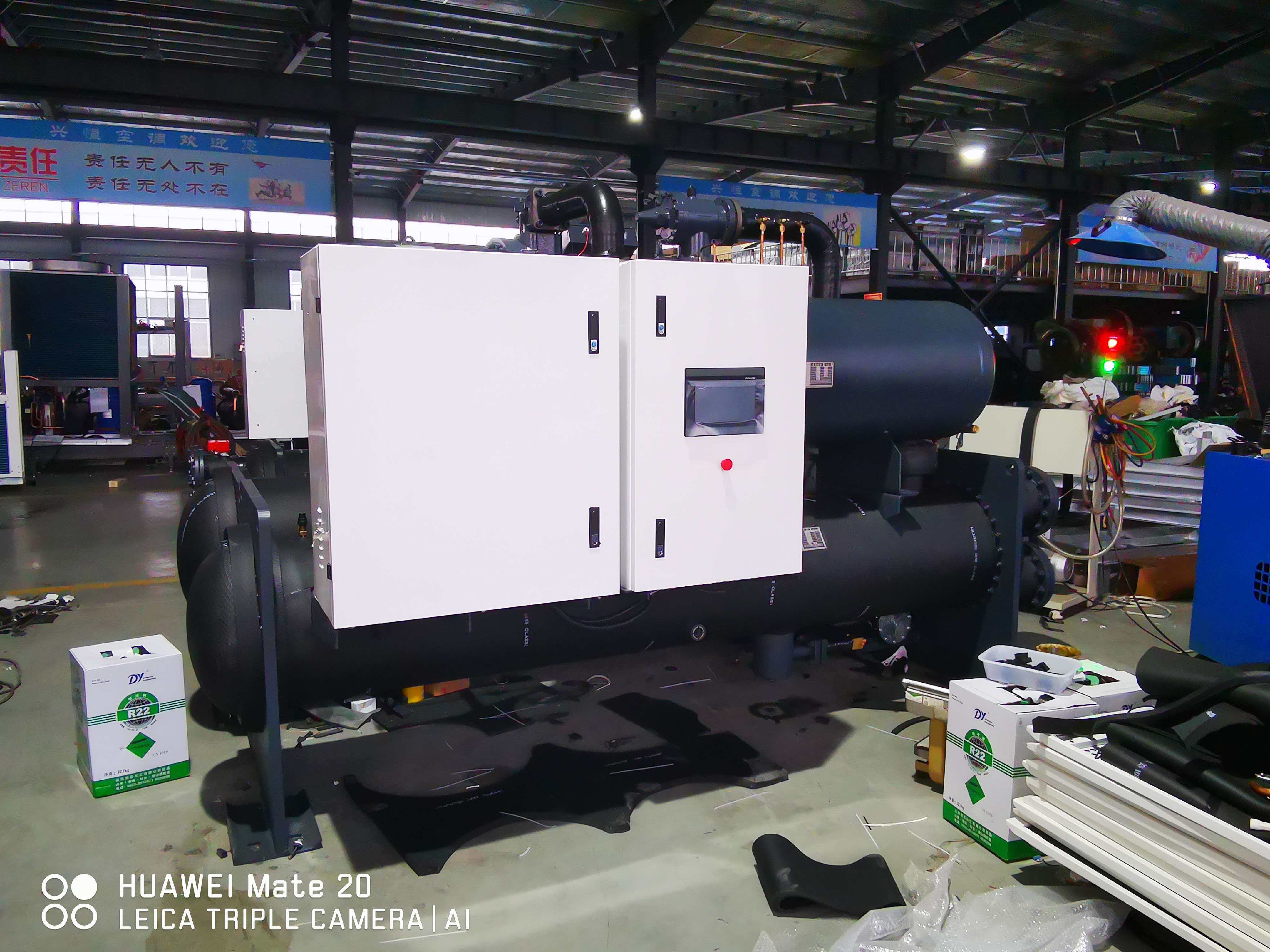
Selecting between a water-cooled condensing unit and air cooled systems represents one of the most critical decisions in industrial refrigeration planning. Both technologies serve the essential function of removing heat from refrigerant, yet they operate through fundamentally different mechanisms and deliver distinct advantages depending on your facility's specific requirements. Understanding the core differences between a water-cooled condensing unit and air cooled systems will help you make an informed choice that aligns with your operational goals, energy budget, and space constraints.
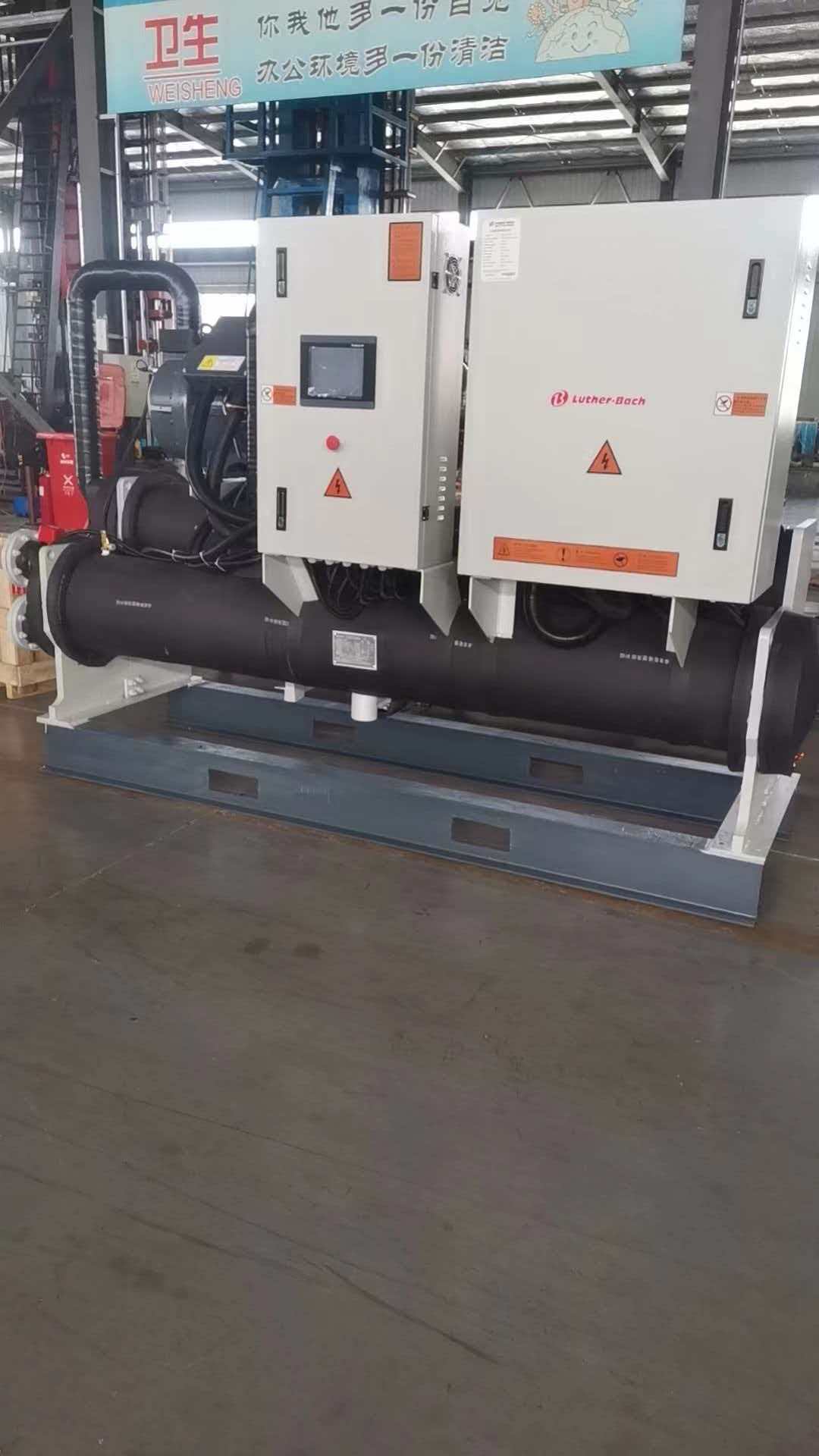
The choice between a water-cooled condensing unit and air cooled systems impacts not only initial capital investment but also long-term operational efficiency, maintenance complexity, and environmental compliance. This guide explores the practical distinctions, performance metrics, and decision-making frameworks that help facility managers, engineers, and procurement professionals evaluate which cooling technology delivers the best return on investment for their unique application context.
Operating Principles and Core Mechanics
How Air Cooled Systems Function
Air cooled systems reject heat directly into the surrounding atmosphere using fans and aluminum or copper coil surfaces. The compressor pushes high-pressure refrigerant vapor through the condenser coil, where ambient air circulates across the fins, absorbing the thermal energy and releasing it into the environment. This straightforward mechanism makes air cooled systems mechanically simple, requiring minimal external infrastructure and no water supply dependency.
The efficiency of air cooled systems depends heavily on ambient temperature and airflow management. During peak summer months or in hot climates, outdoor air temperature can approach or exceed the refrigerant condensing temperature, forcing the compressor to work harder and consuming more electrical power. Facility managers operating air cooled systems must ensure adequate air circulation around the outdoor condenser unit and maintain clean coil surfaces to prevent efficiency degradation.
Water-Cooled Condensing Unit Technology
A water-cooled condensing unit transfers heat from refrigerant to circulating water rather than directly to air. The refrigerant flows through internal tubes surrounded by water passages, allowing efficient heat exchange across a smaller physical footprint. The water carries the absorbed thermal energy away from the condensing unit to cooling towers, heat recovery systems, or other dissipation mechanisms where the heat is ultimately released to the environment.
The water-cooled condensing unit operates with more consistent efficiency across varying ambient conditions because the condensing temperature remains closer to the water supply temperature rather than outdoor air temperature. This thermodynamic advantage enables lower operating pressures and reduced compressor energy consumption, particularly in facilities where water supply temperatures can be controlled or optimized through tower management or heat recovery integration.
Energy Efficiency and Operating Costs
Comparative Energy Performance
A water-cooled condensing unit typically achieves higher seasonal coefficient of performance than equivalent air cooled systems because condensing temperatures remain lower throughout the operating year. During summer periods when air cooled systems struggle against high ambient temperatures, a water-cooled condensing unit maintains superior efficiency by leveraging cooler water temperatures. This efficiency advantage translates directly to reduced electrical consumption, lower utility bills, and smaller carbon footprints over the equipment lifetime.
Air cooled systems deliver acceptable efficiency in moderate climates with abundant cool ambient air, but face significant energy penalties in hot or confined spaces. Industrial facilities in warm regions often discover that upgrading from air cooled systems to a water-cooled condensing unit reduces annual refrigeration energy costs by 15 to 30 percent, depending on climate, facility layout, and cooling load profiles. The energy savings from a water-cooled condensing unit can justify the higher installation costs within five to seven years in many applications.
Lifecycle Cost Analysis
Although a water-cooled condensing unit generally carries higher initial purchase and installation expenses than air cooled systems, the total cost of ownership frequently favors water-cooled technology over 10 to 15-year equipment lifecycles. The cumulative operational savings from reduced compressor runtime and lower electrical demand offset the initial capital premium. Additionally, a water-cooled condensing unit often supports larger capacity requirements within the same envelope size, enabling future expansion without facility redesign.
Air cooled systems appear more economical upfront and work well for smaller installations or temporary cooling needs. However, facility managers must account for ongoing maintenance, energy escalation risks, and potential replacement costs if the air cooled system proves undersized during unexpected heat waves or production increases. When energy rates trend upward, air cooled systems become increasingly expensive to operate, making the long-term financial case for a water-cooled condensing unit progressively stronger.
Installation, Space, and Maintenance Considerations
Physical Footprint and Site Requirements
Air cooled systems require outdoor installation with adequate clearance for air intake and discharge, typically consuming significant rooftop or ground-level space. The compressor and condenser units must remain exposed to ambient air, necessitating substantial fan horsepower to overcome atmospheric resistance. In congested urban facilities, restricted rooftops, or locations with noise concerns, securing space for a large air cooled system becomes logistically challenging and expensive.
A water-cooled condensing unit occupies roughly half the footprint of equivalent air cooled systems because compact water-to-refrigerant heat exchangers eliminate the need for extensive fan assemblies and coil surface area. The condenser unit can locate indoors in machine rooms or utility closets, simplifying integration into existing facility layouts. For businesses operating in dense commercial districts, multi-story buildings, or facilities with strict space limitations, a water-cooled condensing unit offers practical installation advantages that air cooled systems simply cannot match.
Maintenance and Operational Demands
Air cooled systems require periodic cleaning of outdoor coils to prevent dust, debris, and biological growth from degrading heat transfer surfaces. Environmental contamination, salt spray in coastal regions, and industrial fallout necessitate frequent maintenance routines to sustain efficiency. The exposed fan motors and moving parts in air cooled systems also demand regular lubrication and bearing inspections to prevent premature failures.
A water-cooled condensing unit shifts maintenance focus to water treatment and circulation system management rather than coil cleaning. Proper water treatment prevents scaling, corrosion, and biological fouling inside the condenser tubes, tasks that many facilities can handle through established water management protocols. When water treatment is properly maintained, a water-cooled condensing unit often demands less frequent technician visits than air cooled systems, reducing labor costs and minimizing production disruptions from maintenance downtime.
Environmental Factors and Climate Suitability
Performance in Hot Climates and High Ambient Conditions
Tropical and desert climates present severe challenges for air cooled systems because outdoor air temperatures frequently exceed ideal condensing temperatures. Facilities in these regions often resort to oversizing air cooled systems to maintain capacity during peak heat, inflating capital costs and amplifying energy consumption. Conversely, a water-cooled condensing unit maintains consistent performance because water temperatures remain stable regardless of outdoor weather extremes, making it the superior choice for hot-climate applications.
Industrial zones with high ambient heat, such as foundries, steel mills, or data centers, virtually mandate water-cooled technology for reliable operation. A water-cooled condensing unit can maintain full refrigeration capacity and efficiency while air cooled systems degrade to 60 or 70 percent capacity during heat waves. For mission-critical applications where cooling interruption causes production losses or safety risks, investing in a water-cooled condensing unit provides operational resilience that air cooled systems cannot guarantee.
Cold Climate Advantages and Seasonal Operation
Air cooled systems regain competitive advantage in cold climates where ambient temperatures remain well below condensing temperature throughout much of the year. Facilities in northern regions can operate air cooled systems with minimal compressor effort during winter, delivering exceptional efficiency during the longest operational seasons. For seasonal or intermittent refrigeration needs in moderate climates, air cooled systems often provide the most economical solution.
A water-cooled condensing unit requires frost protection and heated water circulation during winter operation in cold regions, adding complexity and cost. However, if the facility already operates water loops for heating, processes, or other systems, integrating a water-cooled condensing unit becomes practical and synergistic. Facilities capable of heat recovery integration achieve remarkable efficiency advantages because waste heat from the condensing unit can offset space heating requirements, reducing overall energy consumption for both cooling and climate control.
Noise and Environmental Impact
Acoustic Performance Differences
Air cooled systems generate substantial noise from large condenser fans, often producing 75 to 85 decibels of acoustic output during operation. In facilities adjacent to residential areas, offices, or sensitive environments, air cooled system noise requires acoustic enclosures, vibration isolation, or other mitigation strategies that increase installation expenses. The noise issue becomes particularly acute during evening or night operation when ambient sound levels are lower and compressor noise becomes more noticeable.
A water-cooled condensing unit operates near-silently because no large fan moves air across the condenser coil. The compressor and circulation pump generate minimal acoustic output, allowing the unit to function without disturbing surrounding environments. For urban facilities, buildings with noise-sensitive occupants, or applications requiring 24/7 operation, the silent operation of a water-cooled condensing unit delivers substantial quality-of-life improvements that justify investment in water-cooled technology.
Environmental Discharge and Sustainability
Air cooled systems release all waste heat directly into the outdoor atmosphere, contributing to urban heat island effects and thermal pollution in dense industrial areas. A water-cooled condensing unit enables heat recovery opportunities where waste thermal energy can supply domestic hot water, process preheating, or space heating systems, reducing overall facility energy demand and greenhouse gas emissions. Progressive companies prioritizing sustainability and carbon reduction increasingly specify water-cooled condensing unit installations because they enable integrated heat recovery that air cooled systems cannot support.
Regulatory bodies in many regions now mandate heat recovery for large condensing systems, making a water-cooled condensing unit the compliant choice for new installations. Facilities planning expansion or equipment replacement should verify local environmental regulations because water-cooled condensing unit technology often aligns with emerging sustainability requirements and carbon-reduction mandates that air cooled systems cannot satisfy.
FAQ
When should a facility choose air cooled systems over water-cooled condensing unit technology?
Air cooled systems suit applications with limited water availability, small cooling loads, budget constraints for initial capital, or operation in cool climates where ambient temperatures remain below 70 degrees Fahrenheit year-round. Temporary installations, mobile equipment, or facilities unable to install water circulation infrastructure often default to air cooled systems. However, the long-term energy cost disadvantage means that permanent installations should carefully evaluate whether air cooled systems truly minimize total cost of ownership compared to investing in a water-cooled condensing unit.
What water quality requirements must be maintained for water-cooled condensing unit operation?
Water-cooled condensing unit systems require treated water with controlled hardness, pH, and biological contamination levels to prevent scaling, corrosion, and fouling inside condenser tubes. Standard industrial water treatment protocols including softening, pH adjustment, and biocide dosing maintain water-cooled condensing unit performance. Many facilities partner with water treatment specialists to design custom programs that balance cost with the preventive maintenance needed for reliable operation. Neglecting water treatment accelerates tube degradation and forces expensive water-cooled condensing unit repairs, so proper water management represents essential operational discipline.
Can a facility retrofit existing air cooled systems to water-cooled condensing unit technology?
Retrofitting air cooled systems to water-cooled condensing unit configurations is technically feasible but requires installing new water circulation infrastructure, cooling towers or heat rejection loops, and water treatment systems. The retrofit cost often approaches 70 to 80 percent of new water-cooled condensing unit installation, making complete replacement more economical in most cases. However, for large facilities where air cooled systems already consume excessive energy, retrofitting to a water-cooled condensing unit can deliver substantial operational cost reductions that justify the capital investment within manageable payback periods.