
 EN
EN
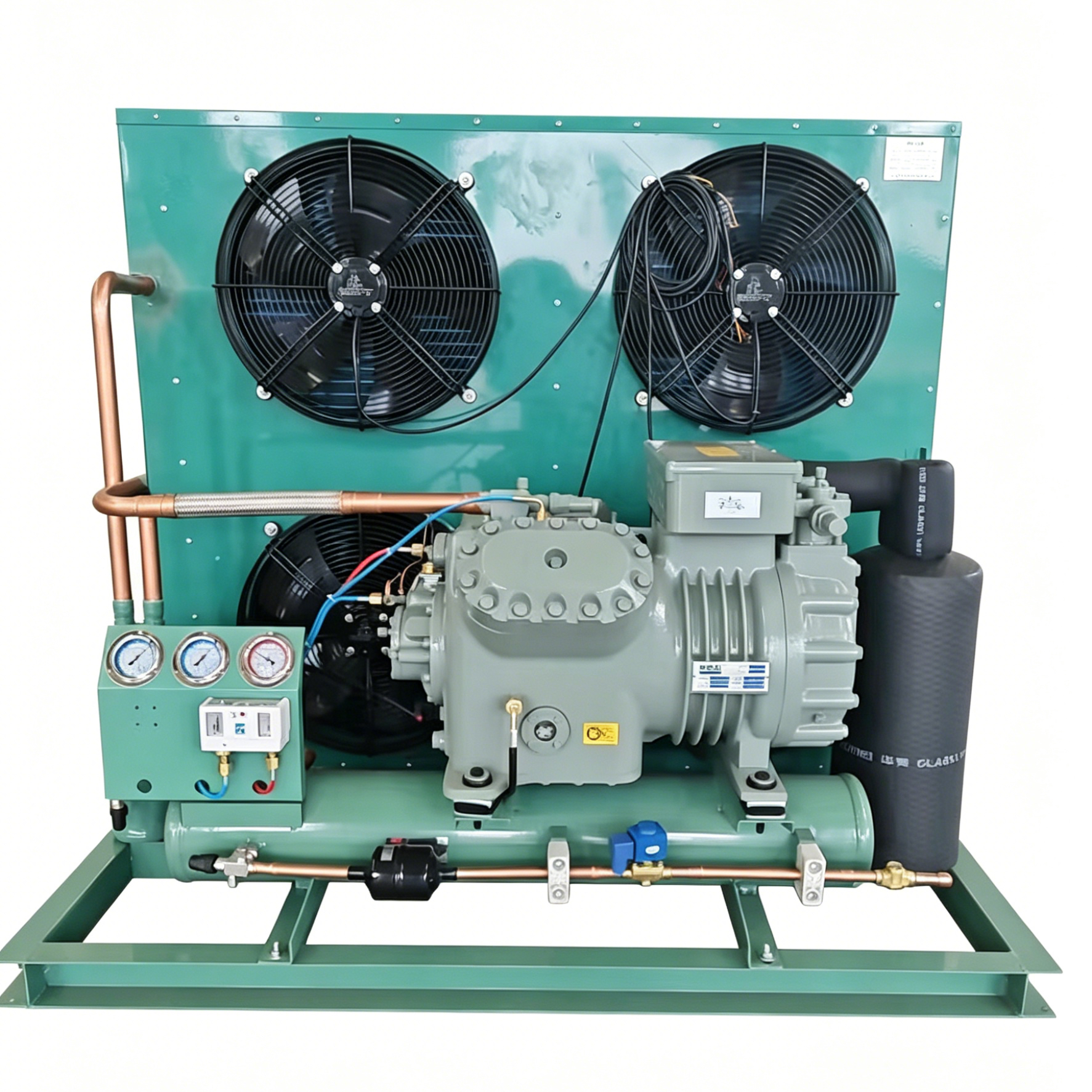
Selecting the right semi-hermetic condensing unit for your refrigeration application requires careful consideration of equipment compatibility and performance characteristics. The pairing between a semi-hermetic condensing unit and an H type condenser represents a critical decision point for industrial refrigeration systems, affecting efficiency, reliability, and long-term operational costs. Understanding which semi-hermetic condensing unit configurations work optimally with H type condensers enables facility managers and engineers to make informed purchasing decisions that align with their specific cooling demands and spatial constraints.
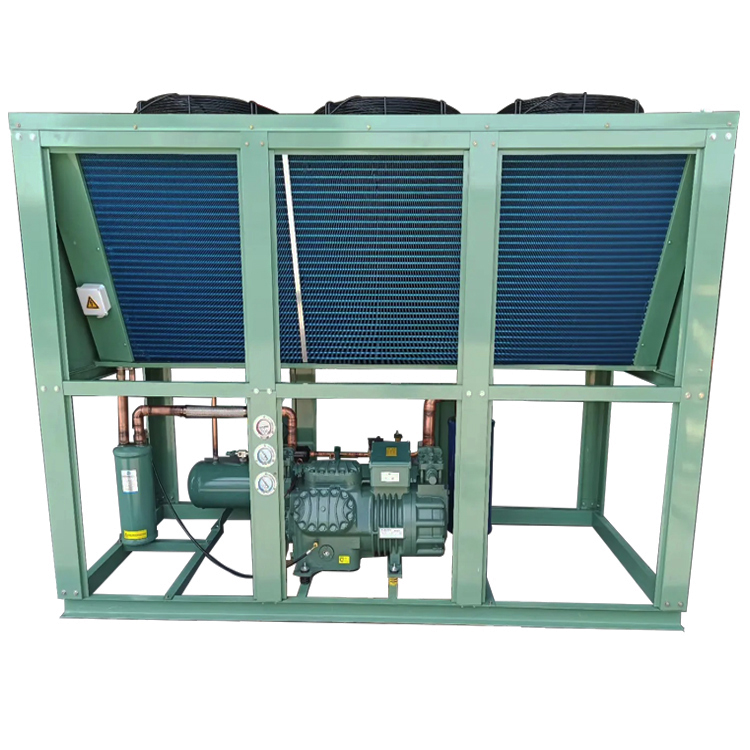
The integration of a semi-hermetic condensing unit with an H type condenser system creates a synergistic relationship that maximizes heat rejection efficiency and maintains precise pressure control. H type condensers feature horizontal design architecture specifically engineered to work seamlessly with semi-hermetic condensing unit assemblies, providing reliable condensation of refrigerant vapors across diverse ambient temperature ranges. When properly matched, this semi-hermetic condensing unit and condenser combination delivers superior performance compared to misaligned equipment pairings, ensuring consistent temperature maintenance and reduced energy consumption.
Understanding Semi-Hermetic Condensing Unit Specifications
Core Design and Operational Parameters
A semi-hermetic condensing unit incorporates a hermetically sealed compressor mounted directly to the condensing assembly, eliminating external shaft seals that create maintenance complexity. The semi-hermetic condensing unit design restricts moisture and contaminant ingress while enabling field serviceability through sealed connector designs. This semi-hermetic condensing unit architecture operates at specific displacement volumes and rotational speeds, typically ranging from 2 horsepower to 15 horsepower configurations, each establishing distinct cooling capacity profiles. Matching these displacement characteristics to your system load ensures that the semi-hermetic condensing unit runs efficiently within its optimal operating window, avoiding excessive cycling or inadequate cooling capacity.
Refrigerant Compatibility Considerations
Modern semi-hermetic condensing unit systems accommodate various refrigerants including R404a, R134a, R507a, and R410a formulations, each demanding specific pressure ratings and lubricant compatibility profiles. The semi-hermetic condensing unit's refrigerant selection directly influences condenser sizing requirements and heat rejection rates. When integrating a semi-hermetic condensing unit with an H type condenser, refrigerant type and saturation pressure relationships determine the overall system efficiency trajectory. Selecting the wrong refrigerant-compressor pairing for your semi-hermetic condensing unit compromises both performance and warranty coverage, making this alignment critical during equipment procurement.
H Type Condenser Advantages and Design Rationale
Horizontal Configuration Benefits
H type condensers employ horizontal tube bundle arrangements that facilitate straightforward piping connections with semi-hermetic condensing unit discharge lines. This semi-hermetic condensing unit compatibility reduces installation labor, minimizes fitting angles, and simplifies field troubleshooting procedures. The horizontal semi-hermetic condensing unit-to-condenser layout naturally encourages oil return pathways without complex slope requirements, maintaining compressor lubrication integrity throughout extended operation cycles. Space-constrained environments benefit significantly from the compact footprint that semi-hermetic condensing unit and H type condenser combinations provide compared to alternative vertical-arrangement systems.
Heat Rejection Efficiency Profile
H type condensers achieve superior heat transfer efficiency through optimized aluminum or copper tube designs that maximize surface area exposure to ambient airflow. When paired with a semi-hermetic condensing unit, this heat rejection efficiency directly translates to lower discharge pressures and reduced energy demand on the compressor motor. The semi-hermetic condensing unit's discharge temperature remains controlled more effectively with H type condensers, extending motor winding lifespan and reducing thermal stress on electrical components. This efficiency advantage becomes particularly pronounced in moderate to high ambient temperature environments where cooling load challenges intensify.
Selecting the Optimal Semi-Hermetic Condensing Unit for H Type Condenser Integration
Capacity Matching Methodology
Proper sizing of a semi-hermetic condensing unit for H type condenser operation requires accurate cooling load calculations accounting for ambient temperature, return air temperature, and system run-time requirements. The semi-hermetic condensing unit capacity should align within 10 percent of calculated load demands, avoiding undersizing scenarios that compromise temperature control or oversizing conditions that increase operating costs. Engineering selection tools provided by refrigeration manufacturers enable precise semi-hermetic condensing unit-to-condenser matching based on these thermal parameters. Undersized semi-hermetic condensing unit installations create continuous compressor operation with inadequate cooling capacity, while oversized configurations generate unnecessary energy expenditure and frequent short-cycling patterns.
Environmental and Operational Factors
Ambient temperature exposure significantly influences which semi-hermetic condensing unit specifications work optimally with your selected H type condenser. Facilities operating in hot climates require semi-hermetic condensing unit models with enhanced displacement capacity compared to temperate-environment installations, as higher ambient conditions reduce the temperature differential available for heat rejection. The semi-hermetic condensing unit's oil cooler capacity becomes increasingly important in warm-climate applications where maintaining proper lubrication viscosity prevents bearing wear and seal degradation. Additionally, high-altitude installations demand specially configured semi-hermetic condensing unit assemblies that compensate for reduced air density effects on condenser heat transfer rates.
Maintenance Accessibility and Serviceability
Selecting a semi-hermetic condensing unit designed for straightforward H type condenser integration simplifies preventive maintenance procedures and emergency service responses. The semi-hermetic condensing unit's sealed compressor design permits compressor replacement without complete system evacuation, reducing downtime during component failures. Access to electrical terminals, refrigerant service ports, and oil drain connections should be unrestricted by piping arrangements or structural obstruction. When evaluating semi-hermetic condensing unit options, confirm that service manual documentation includes explicit H type condenser matching procedures and troubleshooting protocols specific to your refrigerant charge and ambient operating range.
FAQ
What horsepower semi-hermetic condensing unit pairs most effectively with standard H80 type condensers?
Most facilities achieve optimal performance by selecting a semi-hermetic condensing unit rated between 8 to 10 horsepower for H80 type condenser pairing under moderate cooling loads. This semi-hermetic condensing unit capacity range provides balanced efficiency while maintaining acceptable power factor and energy consumption metrics. The semi-hermetic condensing unit displacement should be verified against your specific cooling load calculations rather than relying solely on standard industry recommendations, as facility-specific variables including ambient temperature and occupancy patterns significantly influence appropriate sizing decisions.
Can a semi-hermetic condensing unit designed for vertical condensers function with horizontal H type condensers?
While some semi-hermetic condensing unit models feature design flexibility permitting both vertical and horizontal condenser connections, performance degradation frequently occurs when mismatched piping configurations force inadequate oil return pathways. The semi-hermetic condensing unit's compressor requires consistent oil circulation maintained through gravity-assisted oil return pathways, which horizontal H type condenser arrangements provide more reliably than vertical alternatives. Attempting to retrofit a semi-hermetic condensing unit originally engineered for vertical condenser operation typically voids manufacturer warranties and compromises long-term equipment reliability.
How frequently should maintenance occur on a semi-hermetic condensing unit integrated with H type condensers?
Properly installed and operated semi-hermetic condensing unit systems with H type condensers typically require routine maintenance every six months, including compressor oil analysis, refrigerant charge verification, and condenser tube cleaning procedures. The semi-hermetic condensing unit's sealed design minimizes moisture contamination compared to open-drive alternatives, extending maintenance intervals between major service activities. Seasonal equipment shutdown and restart procedures demand that semi-hermetic condensing unit electrical isolation switches be cycled and refrigerant subcooling levels be verified to ensure the H type condenser heat rejection capability matches current system demands.
Table of Contents
- Understanding Semi-Hermetic Condensing Unit Specifications
- H Type Condenser Advantages and Design Rationale
- Selecting the Optimal Semi-Hermetic Condensing Unit for H Type Condenser Integration
-
FAQ
- What horsepower semi-hermetic condensing unit pairs most effectively with standard H80 type condensers?
- Can a semi-hermetic condensing unit designed for vertical condensers function with horizontal H type condensers?
- How frequently should maintenance occur on a semi-hermetic condensing unit integrated with H type condensers?