
 EN
EN
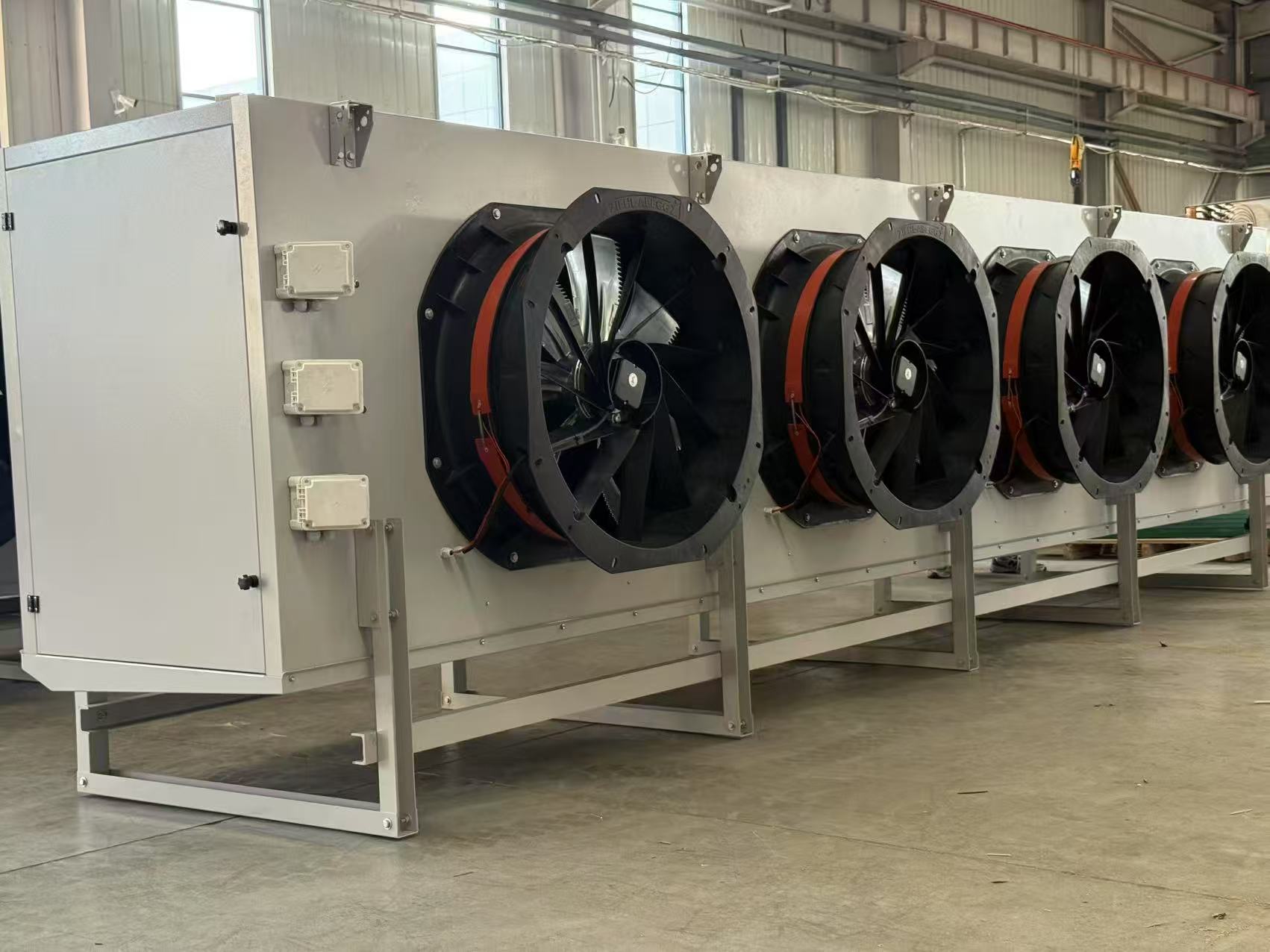
The pursuit of lower condensing temperatures represents a fundamental challenge in industrial refrigeration. Among the various cooling technologies available, the evaporative condensing unit stands out as a solution that consistently achieves significantly lower condensing temperatures than traditional air-cooled systems. Understanding why this performance advantage exists requires examining the underlying thermodynamic principles and how evaporative condensing units leverage latent heat of vaporization to create superior cooling efficiency.
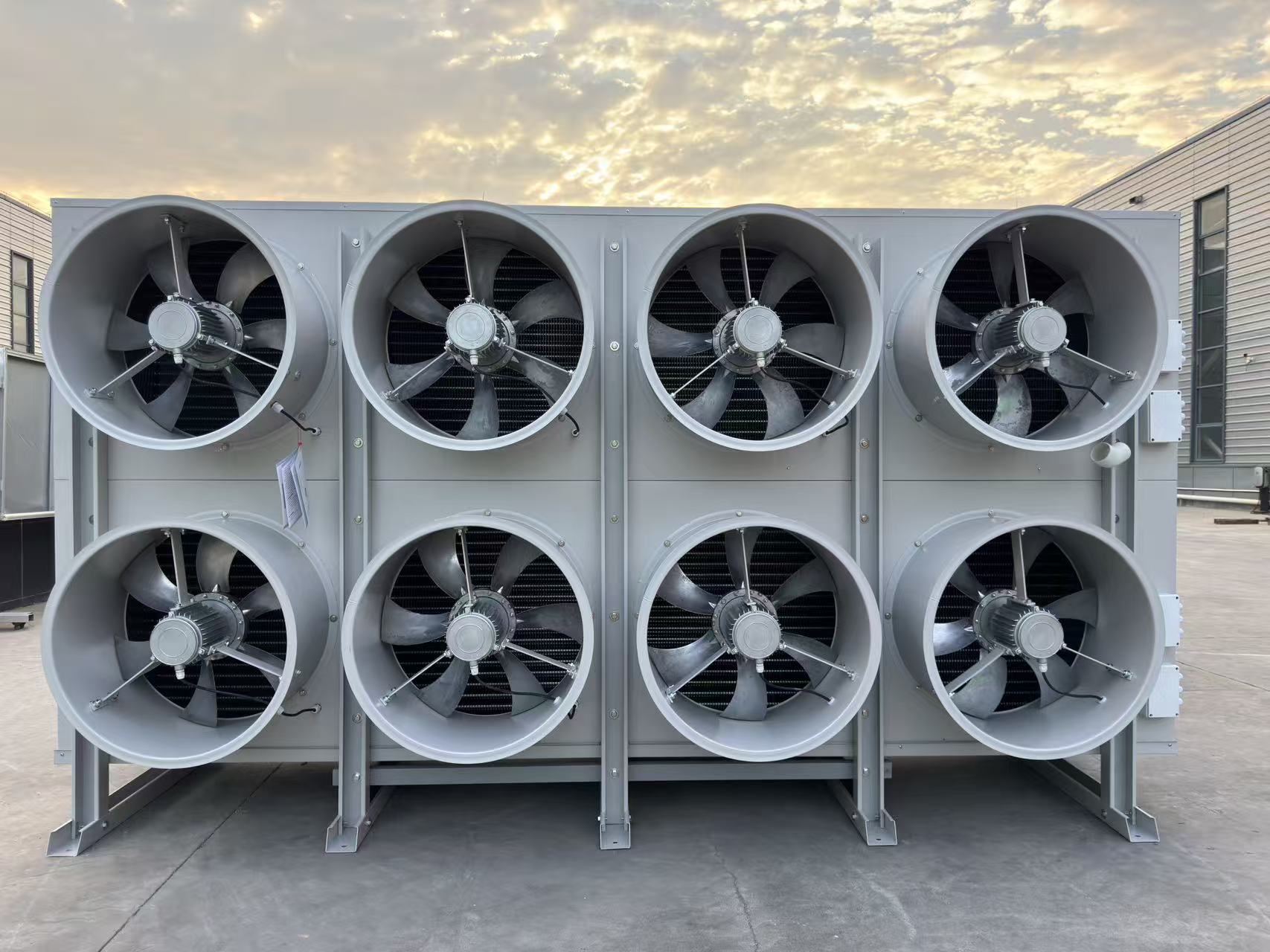
An evaporative condensing unit operates on a principle fundamentally different from air-cooled alternatives. Rather than relying solely on ambient air temperature to reject heat, an evaporative condensing unit incorporates water evaporation into its cooling cycle. This dual-media approach enables the evaporative condensing unit to achieve condensing temperatures that approach the wet-bulb temperature of the surrounding air rather than the dry-bulb temperature. For industrial applications where lower condensing temperatures directly translate to improved compressor efficiency and system reliability, this distinction becomes critically important.
The Thermodynamic Advantage of Evaporative Cooling
Latent Heat Utilization in Evaporative Condensing Units
The core reason an evaporative condensing unit achieves lower temperatures lies in its exploitation of latent heat. When water evaporates, it absorbs substantial thermal energy from its surroundings without raising its own temperature significantly. An evaporative condensing unit capitalizes on this principle by spraying water over condenser tubes while simultaneously passing air through the water spray. As water evaporates from the tube surfaces, it pulls heat away from the refrigerant flowing inside, creating a powerful cooling effect. This latent heat absorption mechanism is far more efficient than sensible heat transfer alone, which is what air-cooled systems depend on. The evaporative condensing unit therefore achieves condensing temperatures 10 to 15 degrees Celsius lower than comparable air-cooled equipment under similar ambient conditions.
Wet-Bulb Temperature as the Theoretical Limit
An evaporative condensing unit's condensing temperature approaches the wet-bulb temperature of the ambient air, not the dry-bulb temperature. In regions with low humidity, the gap between wet-bulb and dry-bulb temperatures is substantial, making the evaporative condensing unit exceptionally effective. For example, in dry climates where ambient dry-bulb temperature may reach 35°C but wet-bulb temperature stays around 20°C, an evaporative condensing unit can maintain condensing temperatures near 24 to 26°C. An air-cooled system operating in the same conditions must reject heat into 35°C air, requiring condensing temperatures of 40°C or higher. This thermodynamic advantage positions the evaporative condensing unit as the preferred choice for facilities seeking lower condensing temperatures.
Performance Implications for Industrial Refrigeration
Compressor Efficiency and Energy Consumption
Lower condensing temperatures directly improve compressor performance. When an evaporative condensing unit maintains lower condensing temperatures, the pressure differential across the compressor decreases, reducing the work required to pump refrigerant through the system. A compressor operating with an evaporative condensing unit can achieve compression ratios 20 to 30 percent lower than one paired with an air-cooled system. This translates to measurable energy savings, with some industrial facilities reporting electricity consumption reductions of 15 to 25 percent annually. The evaporative condensing unit thus pays for itself through operational efficiency gains, particularly in facilities operating continuously or in regions where electricity rates are elevated.
System Reliability and Component Longevity
Operating at lower condensing temperatures also extends equipment lifespan. Compressors, valves, and seals all experience reduced thermal and mechanical stress when working within cooler condensing conditions. An evaporative condensing unit creates a gentler operating environment, lowering wear rates and reducing the frequency of maintenance interventions. Refrigeration systems equipped with an evaporative condensing unit typically demonstrate improved reliability metrics, with fewer unplanned shutdowns and extended intervals between overhauls. For data centers, food processing facilities, and pharmaceutical warehouses where continuous operation is mission-critical, the evaporative condensing unit's contribution to system stability becomes invaluable.
Environmental and Practical Considerations
Water Consumption and Seasonal Variations
While an evaporative condensing unit delivers superior thermal performance, water consumption represents an important operational variable. The continuous water spray required by an evaporative condensing unit consumes between 0.5 and 1.5 liters per ton of refrigeration capacity per hour, depending on ambient humidity and cooling load. In arid regions, this requirement is easily managed; in humid climates, the evaporative condensing unit's performance advantage diminishes because wet-bulb temperatures approach dry-bulb temperatures. Seasonal adjustments may be necessary, with facilities sometimes reducing reliance on the evaporative condensing unit during summer months when humidity rises. Understanding these geographic and seasonal dynamics ensures that an evaporative condensing unit delivers maximum benefit within its operational context.
Installation and Integration Requirements
An evaporative condensing unit requires water supply infrastructure, drainage systems, and water treatment provisions that air-cooled equipment does not demand. Pre-installation assessment must confirm adequate water quality and supply reliability. Hard water deposits and biological growth inside the evaporative condensing unit can degrade performance if water chemistry is not properly managed. Industrial facilities considering an evaporative condensing unit must budget for water filtration, periodic chemical treatment, and enhanced maintenance schedules. Despite these added requirements, the operational savings and performance advantages often justify the additional complexity, particularly in applications where lower condensing temperatures provide significant business value.
FAQ
How much lower can an evaporative condensing unit operate compared to air-cooled systems?
An evaporative condensing unit typically achieves condensing temperatures 10 to 15 degrees Celsius lower than air-cooled systems under identical ambient conditions. In dry climates, this advantage can expand to 15 to 20 degrees Celsius. The exact difference depends on regional humidity levels, with the evaporative condensing unit performing best where the gap between wet-bulb and dry-bulb temperatures is largest. This temperature differential translates directly into measurable energy efficiency gains and improved system reliability for industrial refrigeration applications.
Can an evaporative condensing unit be used in humid climates?
An evaporative condensing unit can operate in humid climates, but its performance advantage diminishes. When humidity rises, wet-bulb and dry-bulb temperatures converge, reducing the evaporative condensing unit's cooling potential. In very humid environments, the evaporative condensing unit may only achieve a 3 to 5 degree Celsius advantage over air-cooled equipment. Facilities in humid regions should evaluate the evaporative condensing unit based on realistic performance expectations rather than dry-climate specifications. Hybrid systems combining the evaporative condensing unit with additional air cooling provide balanced performance across varying humidity levels.
What maintenance does an evaporative condensing unit require?
An evaporative condensing unit requires regular water treatment, scale prevention, and biological growth management. Monthly water quality monitoring and quarterly chemical treatment applications keep the evaporative condensing unit operating at peak efficiency. Sump cleaning and drift eliminator inspection should occur seasonally. Air-side coil cleaning maintains airflow and heat transfer effectiveness. Compared to air-cooled systems that primarily need fin cleaning, the evaporative condensing unit demands more intensive maintenance. Proper maintenance schedules ensure the evaporative condensing unit delivers reliable performance and extends component lifespan.