
 EN
EN
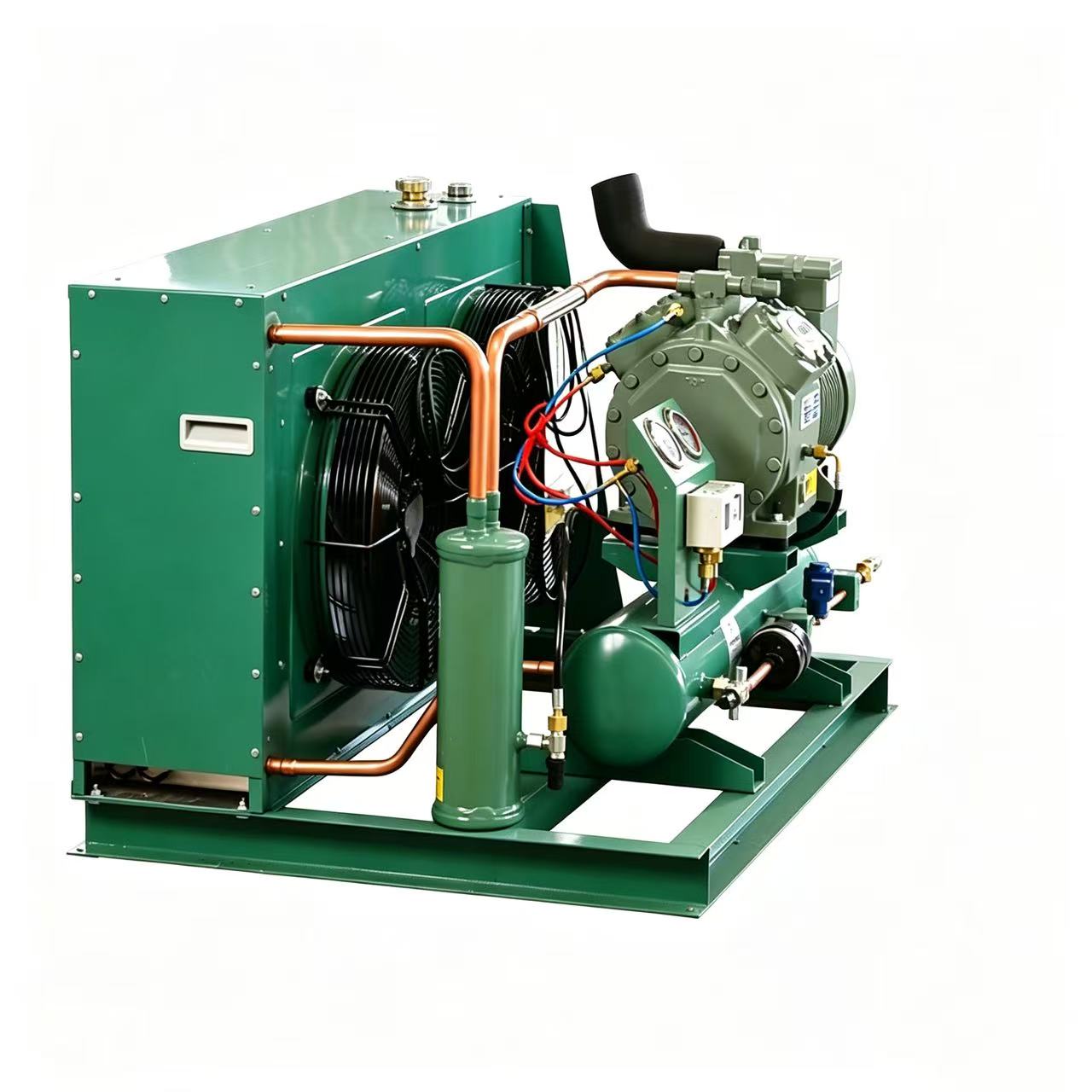
Energy efficiency has become a critical priority for industrial and commercial projects worldwide. Organizations increasingly recognize that selecting the right cooling components directly impacts operational costs, environmental footprint, and long-term profitability. High-efficiency fan motors represent one of the most strategic investments in modern refrigeration systems, particularly when integrated with an advanced condensing unit. A condensing unit serves as the core heat rejection mechanism in any refrigeration setup, and pairing it with high-efficiency fan motors amplifies energy savings while maintaining optimal thermal performance.
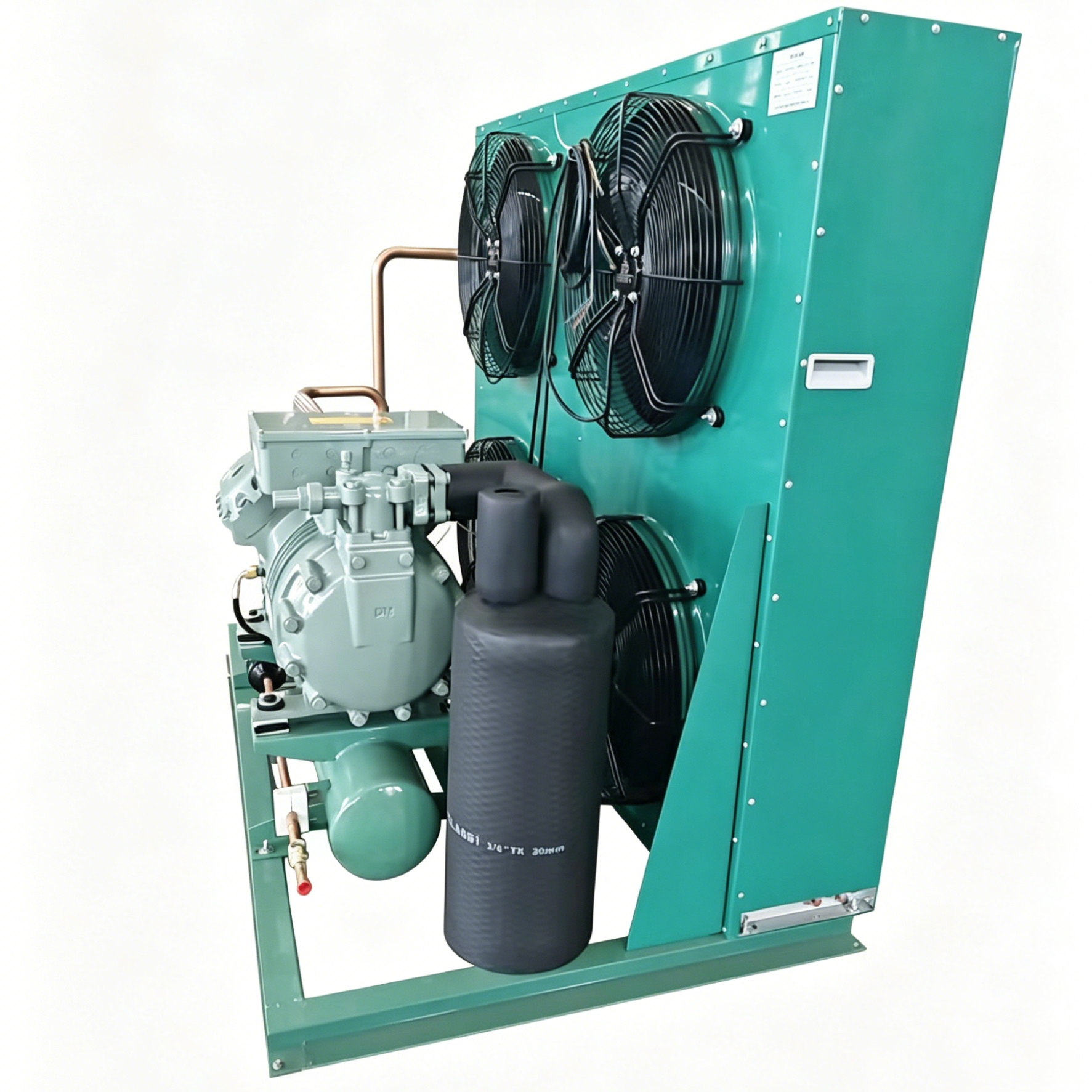
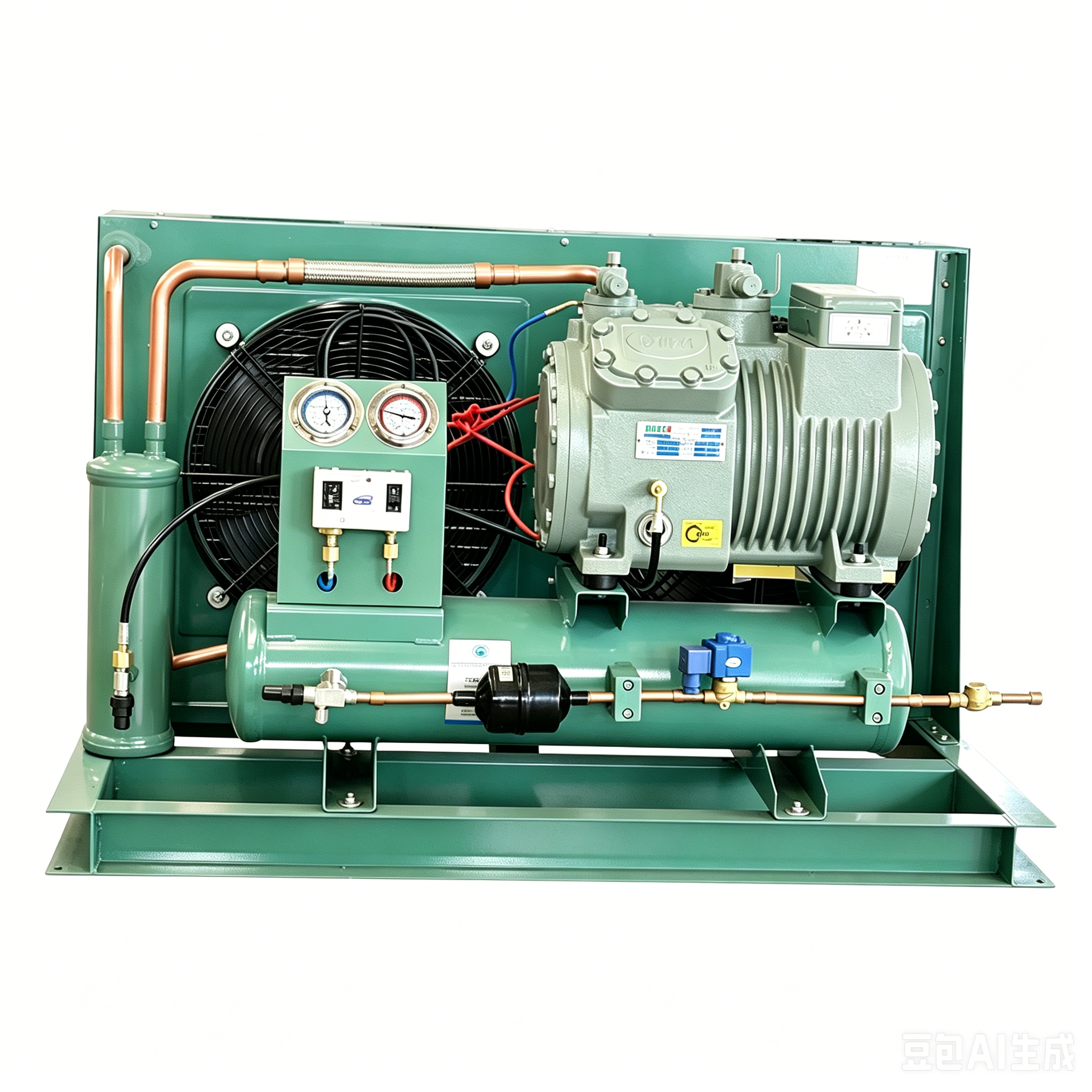
The demand for energy-conscious solutions stems from rising electricity costs, stricter environmental regulations, and corporate sustainability commitments. When a condensing unit operates with high-efficiency fan motors, the system achieves superior heat rejection rates while consuming significantly less power. This combination addresses the fundamental challenge facing facility managers: how to maintain cooling performance without inflating energy bills. Understanding the technical and economic rationale behind this preference reveals why high-efficiency fan motors have become non-negotiable in modern cooling system design.
The Energy Efficiency Advantage of High-Efficiency Fan Motors
How High-Efficiency Fan Motors Reduce Operating Costs
A condensing unit relies on air circulation to expel heat from the refrigeration cycle into the surrounding environment. Traditional fan motors often operate at fixed speeds, consuming maximum power regardless of seasonal demand or partial-load conditions. High-efficiency fan motors, by contrast, employ variable frequency drives and optimized blade designs that adjust motor speed to match actual cooling requirements. When integrated into a condensing unit, this adaptive approach reduces electricity consumption by 20 to 40 percent compared to conventional systems, translating to substantial annual savings across multiple installations.
The operational cost advantage extends beyond simple watt reduction. A condensing unit equipped with high-efficiency fan motors generates less waste heat during operation, reducing ambient temperature rise around the equipment and improving overall system stability. This thermal efficiency improvement means the condensing unit maintains lower discharge pressures, which in turn reduces compressor workload. The cascading efficiency gains throughout the refrigeration cycle compound year after year, making high-efficiency fan motors economically compelling even when initial capital investment exceeds that of standard motors.
Environmental and Regulatory Compliance Benefits
Regulatory bodies across North America, Europe, and Asia have implemented increasingly stringent efficiency standards for cooling equipment. A condensing unit that incorporates high-efficiency fan motors more easily meets current energy codes and positions facilities for future regulatory tightening. Many jurisdictions now mandate minimum efficiency ratings for condensing unit installations, and high-efficiency fan motors ensure compliance without requiring system redesign. Beyond regulatory obligations, organizations pursuing carbon neutrality and ESG certifications recognize that high-efficiency fan motors directly reduce their refrigeration footprint, enabling measurable sustainability reporting and stakeholder communication.
Technical Performance Superiority of Condensing Units with High-Efficiency Motors
Thermal Performance and System Reliability
A condensing unit must reject heat at precisely the right rate to maintain system balance and prevent refrigerant pressure fluctuations. High-efficiency fan motors provide superior speed control and airflow consistency, enabling a condensing unit to maintain tighter temperature differentials across changing ambient conditions. This precision prevents compressor short-cycling, reduces thermal stress on system components, and extends equipment lifespan significantly. Industrial refrigeration systems equipped with high-efficiency fan motors in their condensing unit typically demonstrate 15 to 25 percent longer component life compared to systems using standard motors, reducing replacement frequency and associated downtime.
The improved reliability of a condensing unit with high-efficiency fan motors also stems from reduced vibration and mechanical noise. Variable frequency drives smooth motor acceleration and deceleration, minimizing shock loading on bearings and reducing wear patterns. Facility staff notice quieter operation, which improves working conditions and allows installation in noise-sensitive environments. For a condensing unit serving temperature-critical applications like pharmaceutical storage or specialized food processing, this reliability advantage becomes mission-critical, as thermal instability threatens product quality and regulatory compliance.
Adaptive Performance Across Operating Conditions
Seasonal temperature variations and daily load fluctuations demand that a condensing unit respond dynamically to changing heat rejection requirements. High-efficiency fan motors equipped with intelligent controls automatically adjust blade pitch or motor speed based on discharge pressure feedback. During cool ambient periods, a condensing unit can reduce fan speed substantially, minimizing energy waste while maintaining safe operating pressure. This adaptive capability ensures that a condensing unit performs optimally across winter, spring, summer, and autumn conditions, something fixed-speed systems cannot achieve. The result is year-round efficiency maximization rather than design for worst-case scenarios.
Financial and Strategic Case for High-Efficiency Fan Motors in Energy-Conscious Projects
Return on Investment and Total Cost of Ownership
Capital budgeting for cooling systems frequently underestimates lifetime operational costs. While a condensing unit with high-efficiency fan motors carries higher upfront capital expenditure, typically 15 to 30 percent above standard systems, the energy savings typically recover that investment within three to five years. In high-utilization applications running more than 6,000 hours annually, the payback period often shrinks to two years or less. Over a 15 to 20 year equipment lifespan, cumulative operational savings often exceed the initial cost differential by 200 to 300 percent, making high-efficiency fan motors an economically rational choice even before environmental considerations. A condensing unit thus becomes a financial asset, not merely a cost center.
Beyond simple payback analysis, a condensing unit with high-efficiency fan motors reduces risk exposure to future energy price increases. Organizations with fixed capital budgets but uncertain operating cost trends gain substantial protection by minimizing energy consumption early. If electricity rates increase 3 percent annually, the relative advantage of a condensing unit with high-efficiency fan motors compounds dramatically. Conversely, if energy prices decline, the lower absolute consumption still generates absolute savings. This asymmetric risk profile makes high-efficiency fan motors strategically valuable for long-term financial planning and shareholder value creation.
Alignment with Corporate Sustainability Goals
Modern investors, customers, and supply chain partners increasingly scrutinize corporate environmental performance. Facilities that deploy a condensing unit with high-efficiency fan motors demonstrate tangible commitment to sustainability beyond public relations statements. High-efficiency fan motors reduce kilowatt-hour consumption, which directly translates to lower grid carbon emissions, lower water usage if the condensing unit requires cooling tower support, and reduced refrigerant discharge pressure cycling. Organizations can quantify these environmental benefits, incorporate them into corporate sustainability reports, and communicate competitive advantage to environmentally conscious customers. A condensing unit becomes part of a demonstrated environmental strategy rather than an invisible infrastructure component.
FAQ
What specific advantages does a condensing unit with high-efficiency fan motors offer over traditional systems?
A condensing unit equipped with high-efficiency fan motors delivers 20 to 40 percent energy savings, extended component lifespan, improved thermal stability, and better adaptation to seasonal variations. The condensing unit maintains lower discharge pressures and ambient temperatures, reducing overall refrigeration cycle load. Enhanced reliability, quieter operation, and faster payback on capital investment make a condensing unit with high-efficiency fan motors the preferred choice for energy-conscious facilities.
How does a condensing unit with high-efficiency fan motors help meet regulatory compliance requirements?
Regulatory agencies mandate minimum efficiency ratings for cooling equipment, and a condensing unit with high-efficiency fan motors surpasses current energy codes while positioning facilities for future tightening. A condensing unit incorporating high-efficiency fan motors simplifies compliance demonstrations, avoids costly retrofit requirements, and ensures equipment remains acceptable throughout its operational lifespan. Many jurisdictions now require minimum efficiency levels that only modern condensing unit designs achieve.
Is the upfront cost premium of a condensing unit with high-efficiency fan motors justified by operational savings?
Yes, the 15 to 30 percent higher initial cost of a condensing unit with high-efficiency fan motors typically returns within three to five years through energy savings. Over a 15 to 20 year lifespan, cumulative savings exceed initial cost premiums by 200 to 300 percent. Additionally, a condensing unit protects against future energy price increases, reducing financial risk and supporting long-term profitability for energy-conscious projects.
Table of Contents
- The Energy Efficiency Advantage of High-Efficiency Fan Motors
- Technical Performance Superiority of Condensing Units with High-Efficiency Motors
- Financial and Strategic Case for High-Efficiency Fan Motors in Energy-Conscious Projects
-
FAQ
- What specific advantages does a condensing unit with high-efficiency fan motors offer over traditional systems?
- How does a condensing unit with high-efficiency fan motors help meet regulatory compliance requirements?
- Is the upfront cost premium of a condensing unit with high-efficiency fan motors justified by operational savings?