
 EN
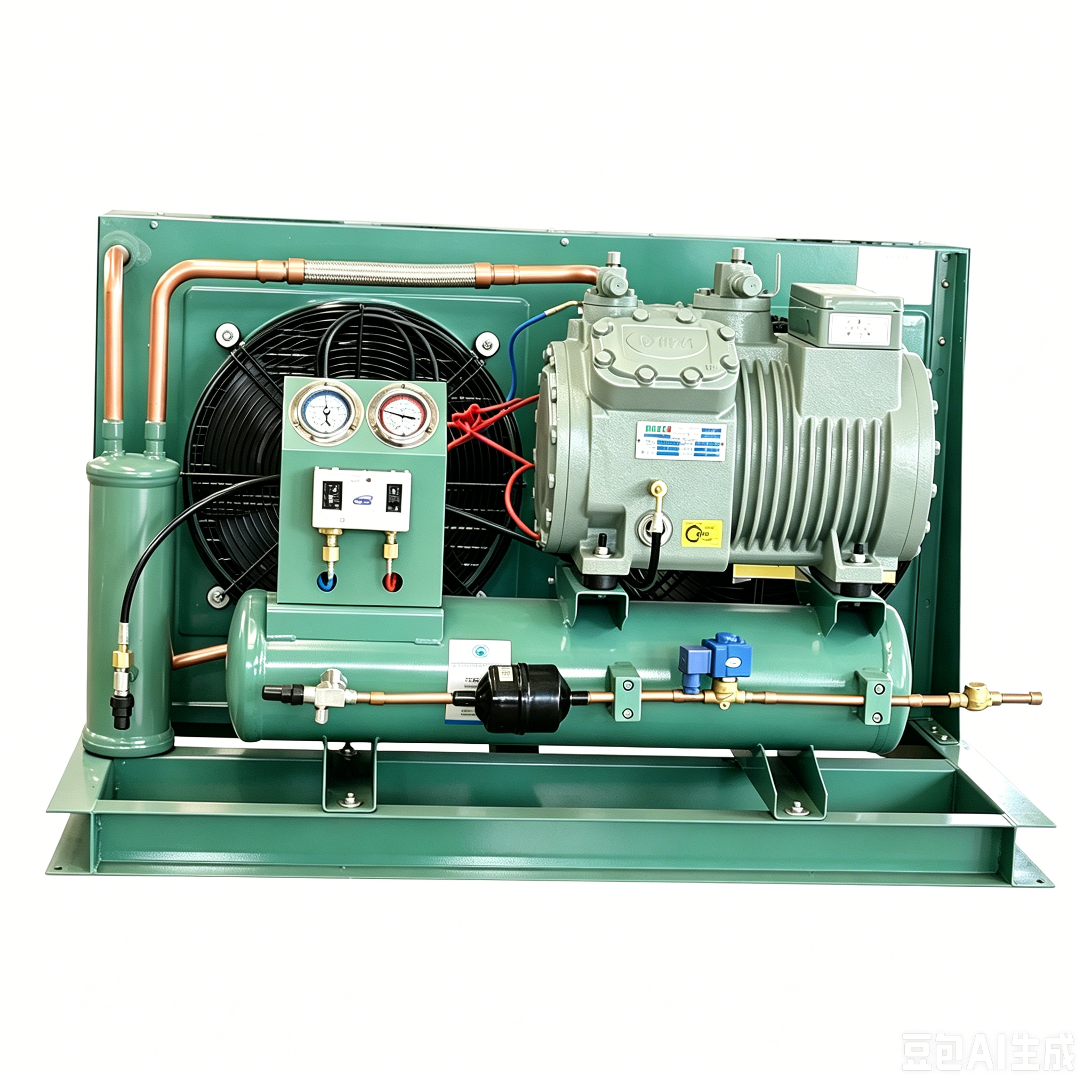
The cost of a hermetic condensing unit varies significantly depending on multiple technical and operational factors that directly impact equipment performance and durability. Understanding what drives hermetic condensing unit pricing helps refrigeration professionals, facility managers, and procurement teams make informed purchasing decisions that balance upfront investment with long-term operational value.
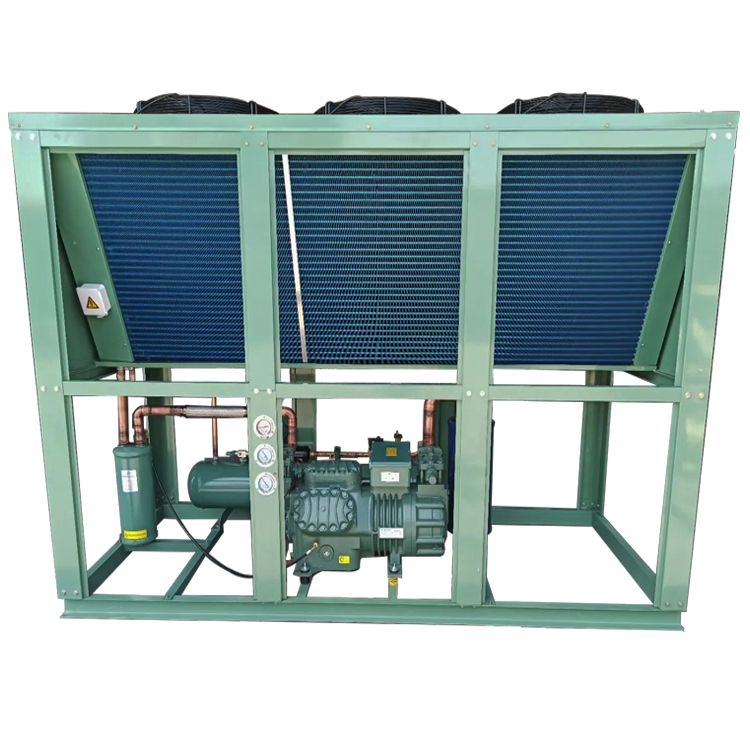
A hermetic condensing unit integrates a compressor, condenser, and control systems into one sealed assembly, and the pricing reflects the engineering complexity, materials used, and performance specifications embedded in each design. Across different models, pricing structures depend on horsepower ratings, refrigerant type compatibility, cooling capacity, frame construction materials, and additional features like oil management systems or sound dampening.
Compressor Power Rating and Horsepower Impact
How Horsepower Drives Hermetic Condensing Unit Cost
Horsepower directly correlates with the price of a hermetic condensing unit because higher horsepower requires larger motors, stronger mechanical components, and more robust electrical infrastructure. A 1-horsepower hermetic condensing unit costs considerably less than a 5-horsepower model because the motor displacement, rotor strength, and power delivery mechanisms increase proportionally with capacity demands. Industrial facilities requiring higher cooling capacity naturally face higher equipment costs when selecting a hermetic condensing unit rated for their peak load requirements.
Partial Load Performance and Efficiency Ratings
Premium hermetic condensing unit models command higher prices when they feature variable capacity or part-load efficiency optimization technologies. These advanced hermetic condensing unit designs reduce energy consumption during lower-demand periods and extend component lifespan, offsetting their higher initial purchase price through operational savings. The refrigerant circuitry, expansion device sophistication, and motor control systems in a high-efficiency hermetic condensing unit represent substantial engineering investment that increases the base cost structure.
Refrigerant Type and Environmental Compliance
Refrigerant Selection in Hermetic Condensing Unit Design
The refrigerant compatibility of a hermetic condensing unit significantly influences its pricing because different refrigerants demand different material specifications, seal designs, and compressor configurations. A hermetic condensing unit designed for HFC refrigerants costs differently than one engineered for HFO or HC alternatives, as environmental regulations push the industry toward lower-global-warming-potential options that require specialized compressor metallurgy. Transitioning to newer refrigerant standards may increase the hermetic condensing unit cost, but compliance ensures regulatory acceptance and future market viability.
Oil Management System Complexity
Certain refrigerants require sophisticated oil separation and management systems within a hermetic condensing unit to maintain optimal performance, and these systems add meaningful cost. Synthetic oils used in some hermetic condensing unit configurations are more expensive than mineral oils, and the separation equipment needed to keep oil circulating efficiently increases the overall equipment price. This factor becomes particularly important when selecting a hermetic condensing unit for applications where oil return reliability directly impacts system durability and warranty coverage.
Condenser Size, Material, and Heat Rejection Capacity
Condenser Construction and Surface Area
The condenser integrated into a hermetic condensing unit represents a substantial portion of the total equipment cost because larger surface area and higher-quality tube materials expand pricing significantly. A hermetic condensing unit with an oversized condenser operates more efficiently and handles peak load rejection more reliably, but the additional aluminum fins, copper tubing, and manufacturing precision increase the base cost. Condenser coil material choices—whether pure copper, cupronickel, or aluminum—also determine the hermetic condensing unit pricing and expected service life in various environmental conditions.
Air or Water-Cooled Configuration
Air-cooled hermetic condensing unit models cost less than water-cooled versions because air-cooled designs eliminate the need for external cooling loops, water treatment systems, and specialized plumbing integration. A water-cooled hermetic condensing unit requires compatible installation infrastructure and ongoing maintenance protocols that justify its higher initial purchase cost through superior heat rejection in hot climates. Facility managers selecting between these hermetic condensing unit configurations must evaluate both the equipment price and the total cost of ownership, including installation complexity and ongoing operational requirements.
Control Features, Safety Systems, and Accessories
Built-In Diagnostics and Smart Controls
Modern hermetic condensing unit models integrate electronic controls, pressure monitoring, temperature sensors, and diagnostic capabilities that increase equipment pricing but provide valuable operational intelligence. A hermetic condensing unit equipped with remote monitoring capability, automatic defrost scheduling, and fault detection systems costs more upfront but reduces troubleshooting time and prevents expensive system failures. These advanced hermetic condensing unit control systems appeal to facility operators who prioritize predictive maintenance and real-time system oversight over cost minimization.
Vibration Isolation and Acoustic Dampening
Noise reduction features integrated into a hermetic condensing unit design significantly impact pricing because sound-dampening materials, rubber isolation feet, and vibration absorbers require specialized manufacturing and assembly. A standard hermetic condensing unit produces higher noise levels than acoustically optimized models, and facilities located in noise-sensitive areas justifiably invest in quieter equipment. The acoustic treatment of a hermetic condensing unit reflects engineering effort and material costs that directly translate to higher purchase prices for applications where noise compliance matters.
Installation Complexity and Warranty Coverage
Mounting Configuration and Site Preparation Requirements
The physical design of a hermetic condensing unit affects both purchase price and installation costs, influencing total project economics for facility upgrades. A hermetic condensing unit requiring custom foundation work, specialized piping configurations, or electrical upgrades increases the total installed cost beyond the equipment price alone. Manufacturers price hermetic condensing unit models differently based on how easily they integrate into existing facility infrastructure, with modular or standardized designs typically commanding premium prices for their simplified installation profiles.
Warranty Terms and Service Support Levels
Extended warranty coverage, manufacturer technical support, and replacement parts availability all influence hermetic condensing unit pricing in the commercial marketplace. A hermetic condensing unit backed by comprehensive warranty and rapid response service teams costs more than basic equipment but reduces operational risk and downtime exposure. When evaluating hermetic condensing unit options, facility managers must consider whether additional warranty investment aligns with the criticality of the refrigeration application and the cost of unexpected system failures.
FAQ
What is the primary cost driver for hermetic condensing unit pricing?
Compressor horsepower represents the primary cost driver for hermetic condensing unit pricing because higher-capacity motors, larger displacement mechanisms, and stronger mechanical components increase manufacturing costs proportionally. The hermetic condensing unit price scales directly with refrigeration tonnage requirements, making horsepower selection the most critical purchasing factor for most industrial applications.
How do refrigerant regulations affect hermetic condensing unit pricing?
Environmental regulations that mandate transition to lower-global-warming-potential refrigerants increase hermetic condensing unit pricing because manufacturers must invest in specialized compressor materials and seal designs compatible with newer refrigerant formulations. A hermetic condensing unit engineered for modern refrigerant standards may cost more than legacy equipment, but compliance ensures regulatory acceptance and protects long-term investment value.
Does a hermetic condensing unit with advanced controls always cost more?
Yes, a hermetic condensing unit incorporating electronic diagnostics, remote monitoring, and automatic control features commands higher prices than basic models because the engineering complexity and component integration increase manufacturing costs. However, the operational savings and reduced maintenance requirements of an advanced hermetic condensing unit often justify the higher purchase price over the equipment lifecycle.