 EN

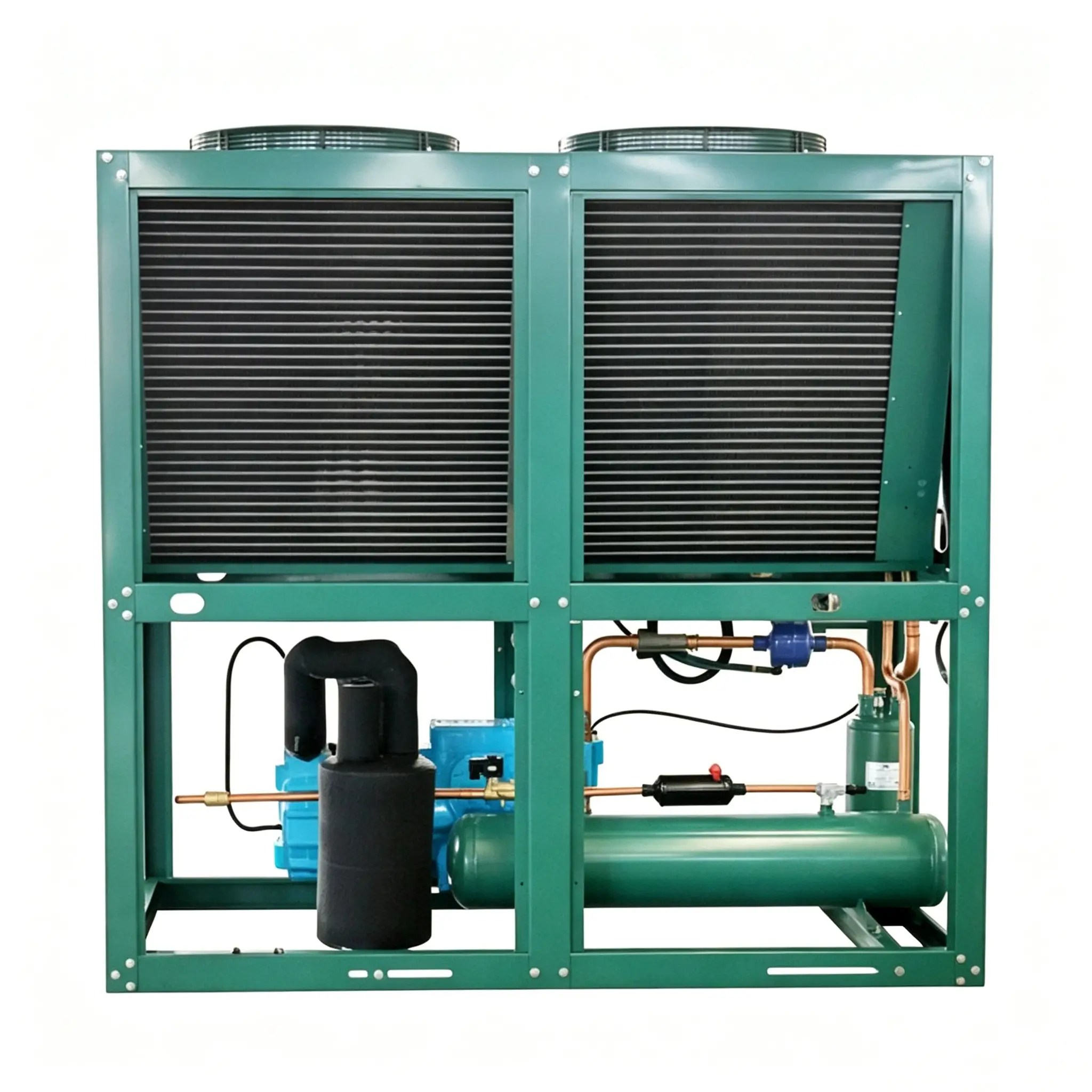
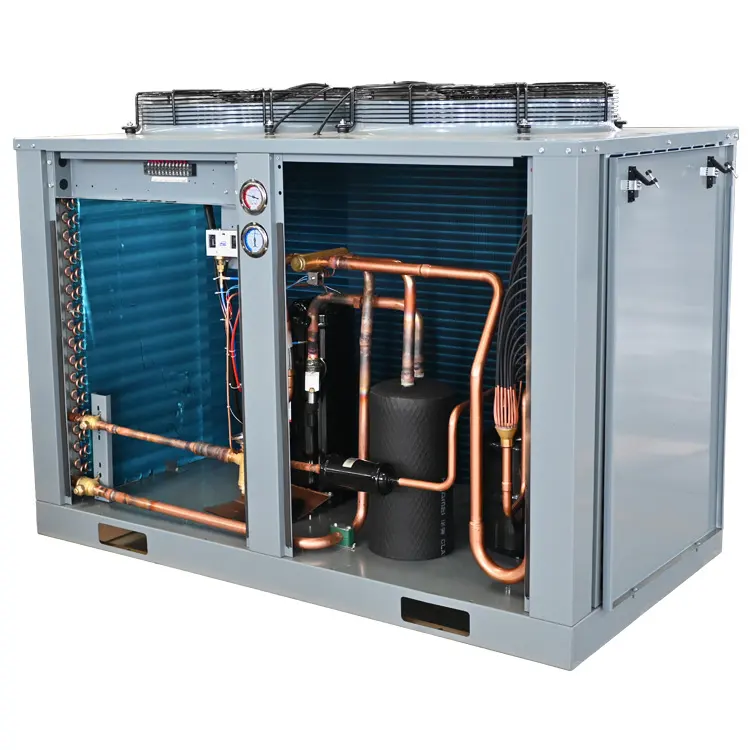
In industrial refrigeration and HVAC applications, space constraints represent one of the most significant challenges facility managers face. When equipment rooms, rooftop installations, or basement areas lack adequate space for conventional cooling systems, the hermetic condensing unit emerges as a practical solution. This specialized equipment compresses the motor and compressor into a single sealed housing, enabling the hermetic condensing unit to fit into tight quarters while maintaining reliable thermal performance. Understanding how a hermetic condensing unit operates in confined environments helps operators make informed decisions about equipment selection and facility layout optimization.
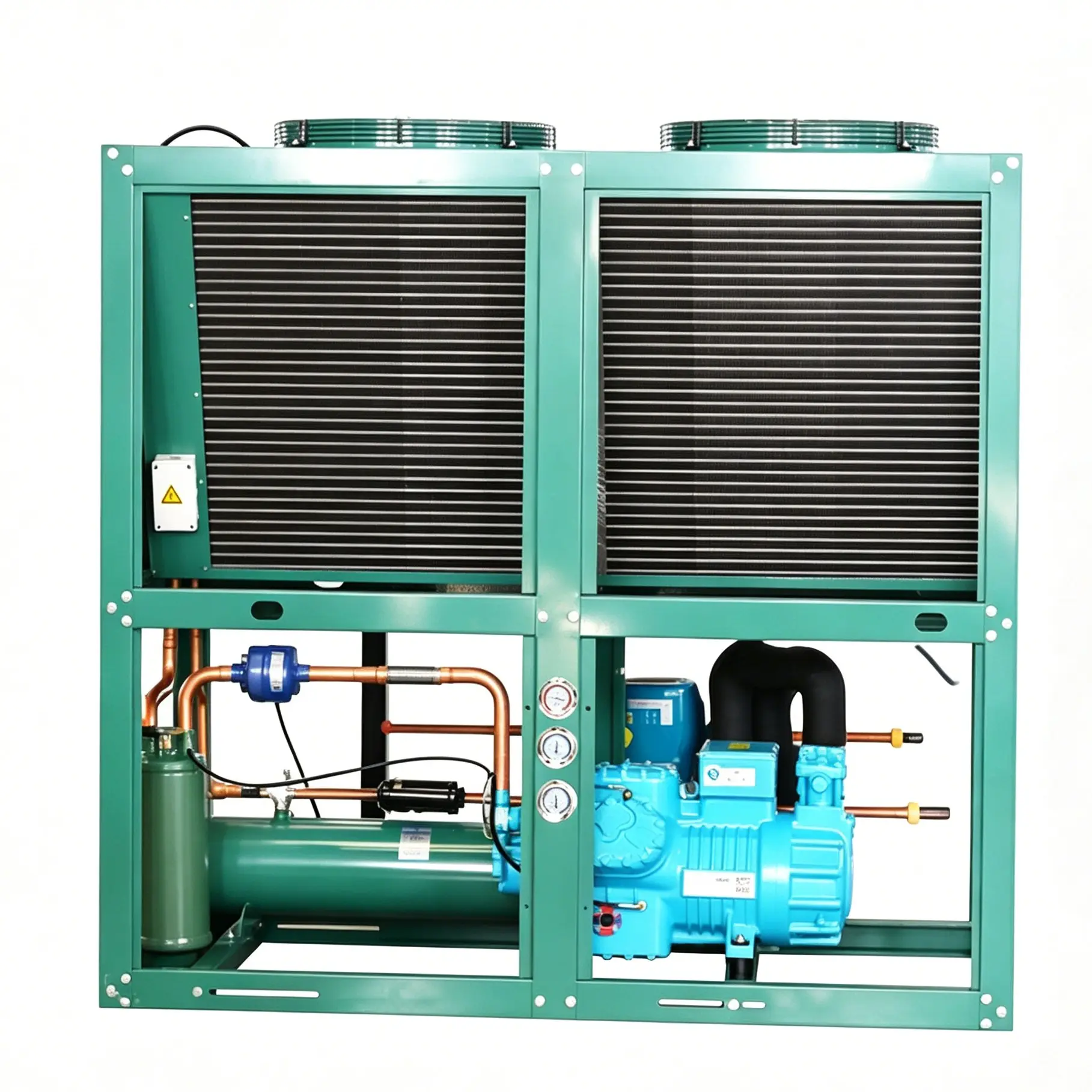
The hermetic condensing unit represents a fundamental shift in how refrigeration systems adapt to spatial limitations. By integrating mechanical components into a unified, compact assembly, a hermetic condensing unit eliminates external motor mounting, shaft seals, and extended piping arrangements that traditional systems require. This integration directly translates to smaller footprints, reduced vibration transmission, and streamlined installation workflows. For facilities operating under square footage restrictions, a hermetic condensing unit provides the density of cooling capacity that would otherwise require multiple larger units or extensive facility renovations.
Spatial Design Advantages of the Hermetic Condensing Unit
Compact Footprint and Sealed Housing
The fundamental architecture of a hermetic condensing unit centers on encasing both the compressor and motor within a single, welded steel shell. This sealed configuration means the hermetic condensing unit occupies significantly less floor or mounting area than open-drive compressor systems. In limited equipment areas where every square meter matters, the hermetic condensing unit eliminates bulky external motor frames, coupling guards, and shaft extensions. The vertical or horizontal mounting flexibility of a hermetic condensing unit also allows facility designers to maximize existing overhead clearances or wall mounting opportunities.
Vibration Reduction and Noise Control
Because the hermetic condensing unit contains all rotating components within a rigid housing, vibration transmission to building structures remains minimal. In space-constrained environments such as occupied basements or adjacent work areas, the hermetic condensing unit performs substantially better than externally mounted motor systems. The integral design of a hermetic condensing unit reduces the need for complex isolation mounts or expanded equipment foundations. Furthermore, the sealed nature of a hermetic condensing unit naturally muffles compressor noise, making it suitable for noise-sensitive installations where limited space prohibits distant placement from occupied zones.
Operational Efficiency in Confined Installations
Refrigerant Charge Optimization
A hermetic condensing unit typically requires less total refrigerant charge compared to open-drive systems, partly because the sealed housing reduces internal volume and external piping runs. In limited equipment areas where quick commissioning and minimal downtime are critical, the reduced refrigerant charge of a hermetic condensing unit simplifies initial setup and troubleshooting. When a hermetic condensing unit operates in a tight space with restricted condenser airflow access, precise refrigerant management becomes even more important to prevent liquid slugging or inadequate heat rejection.
Heat Dissipation Strategies
Cooling capacity depends directly on how effectively the condensing coil expels heat to the surrounding air. When a hermetic condensing unit sits in a limited equipment area, technicians must ensure adequate airflow around the condenser section. The motor cooling within a hermetic condensing unit also depends on internal gas circulation; poor external ventilation can cause internal temperatures to rise. Facility designers must verify that a hermetic condensing unit receives sufficient ambient air circulation, even when space limitations prevent traditional horizontal spacing between units.
Installation and Practical Considerations for Space-Constrained Environments
Piping and Connection Accessibility
The hermetic condensing unit simplifies refrigerant connections by consolidating intake and discharge ports into a compact assembly, but access for service remains paramount in limited areas. When technicians maintain or repair a hermetic condensing unit situated in a confined space, they must be able to reach connection points, vibration isolation fasteners, and electrical terminals safely. Planning the hermetic condensing unit layout during design phases prevents costly rework and ensures reliable long-term operation. Tight spaces demand careful consideration of how the hermetic condensing unit can be safely installed, accessed for routine maintenance, and eventually removed if replacement becomes necessary.
Electrical Integration and Safety Clearances
A hermetic condensing unit requires dedicated electrical circuits sized appropriately for the compressor motor nameplate amperage and startup current demands. Building code regulations typically specify minimum clearance distances around electrical equipment and refrigeration units for safety and service access. Even in limited equipment areas, the hermetic condensing unit must maintain required clearances from walls, adjacent equipment, and combustible materials. The sealed, electrically integrated design of a hermetic condensing unit means electrical components are protected from moisture and dust, a significant advantage in restricted quarters where external components might otherwise accumulate contaminants.
FAQ
What makes a hermetic condensing unit suitable for tight equipment rooms?
A hermetic condensing unit combines the compressor and motor in one sealed housing, eliminating external motor frames and extended piping. This unified design reduces overall spatial requirements significantly, making a hermetic condensing unit ideal for basements, rooftop corners, or windowless mechanical rooms. The hermetic condensing unit also generates less vibration and noise, attributes especially valuable in confined spaces adjacent to occupied areas.
How does a hermetic condensing unit handle heat rejection in limited spaces?
A hermetic condensing unit relies on condenser airflow to expel heat effectively. In restricted areas, facility managers must ensure the hermetic condensing unit receives adequate ambient air circulation around the condenser fins. The motor inside a hermetic condensing unit cools through internal refrigerant gas circulation, so external ventilation around the unit remains essential. Blocked or insufficient airflow around a hermetic condensing unit can reduce capacity and increase operating pressures.
Can a hermetic condensing unit be serviced easily in a confined installation?
A hermetic condensing unit can be serviced, but accessibility planning is crucial during installation. Technicians need safe access to refrigerant ports, electrical connections, and vibration isolators on a hermetic condensing unit, even when space is limited. The sealed design of a hermetic condensing unit protects internal components from external contamination, reducing routine maintenance needs. However, strategic placement and adequate working clearance around the hermetic condensing unit remain important for efficient repairs and inspections.