 EN

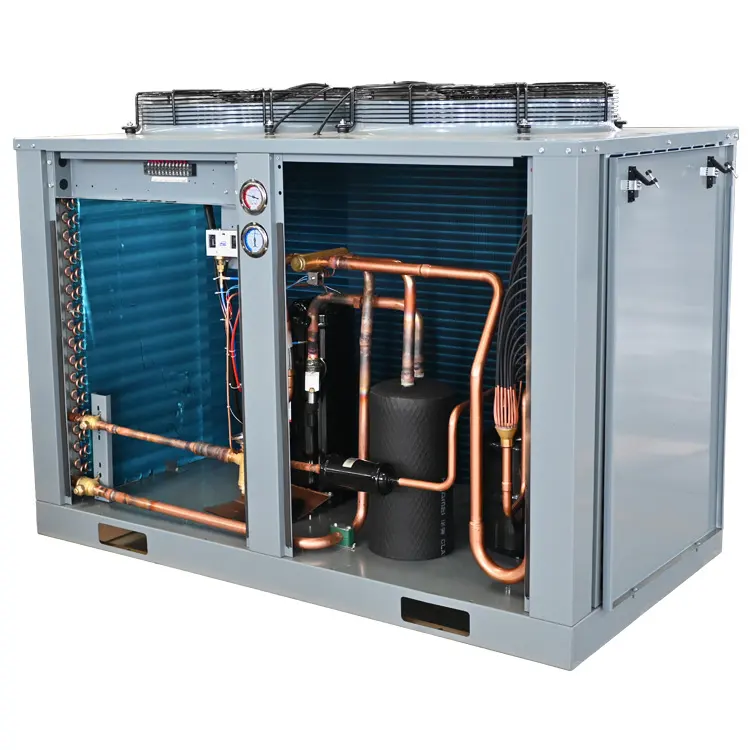
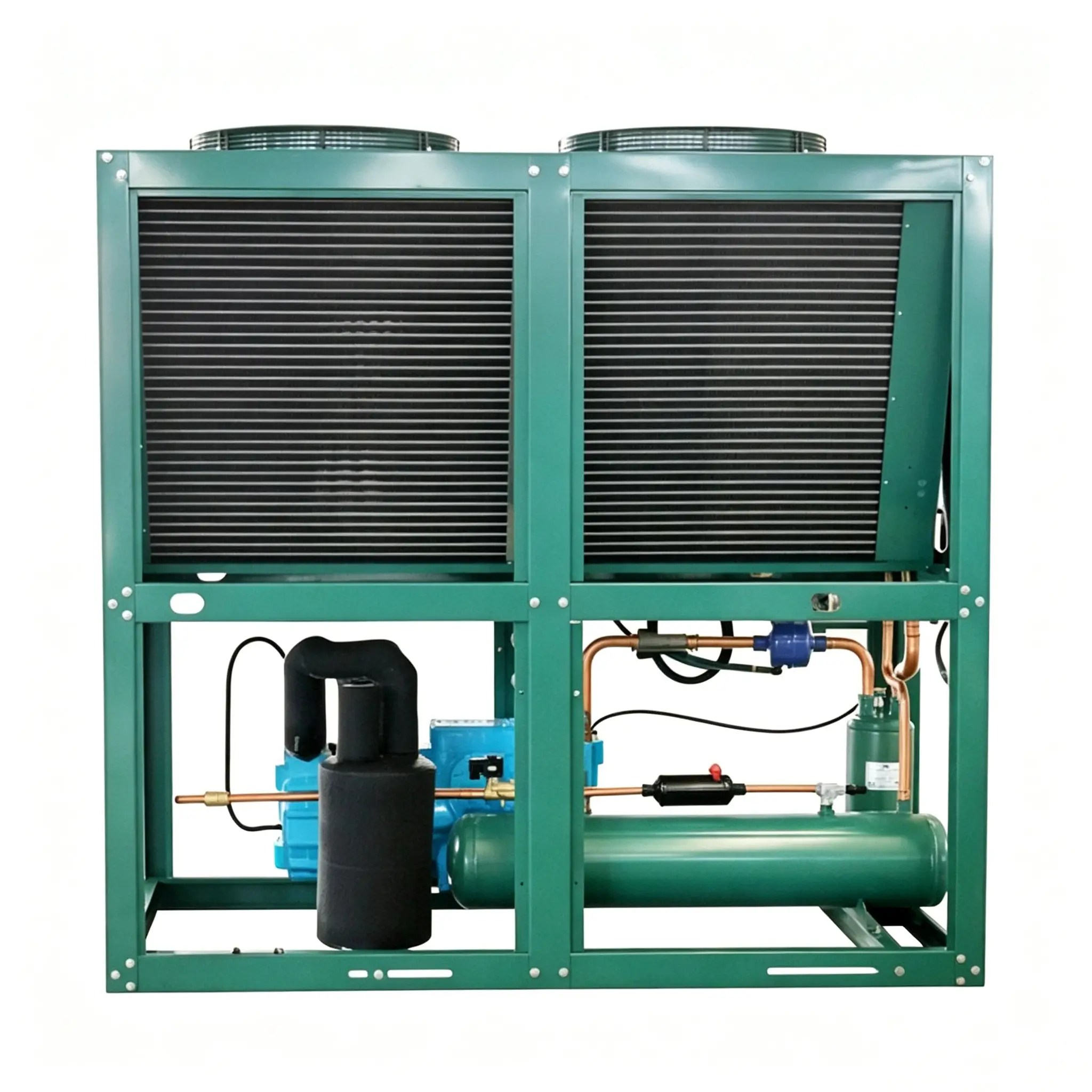
Selecting the right scroll condensing unit for a walk-in cooler requires careful consideration of both baseline cooling demand and the specific stress imposed by frequent door openings. Unlike standard refrigeration installations, walk-in coolers that experience regular traffic demand a scroll condensing unit sized above the theoretical minimum because each door opening introduces warm air into the insulated space, forcing the system to work harder to maintain target temperatures. This guide explains how to calculate proper scroll condensing unit capacity and avoid the costly mistakes that occur when undersizing occurs.
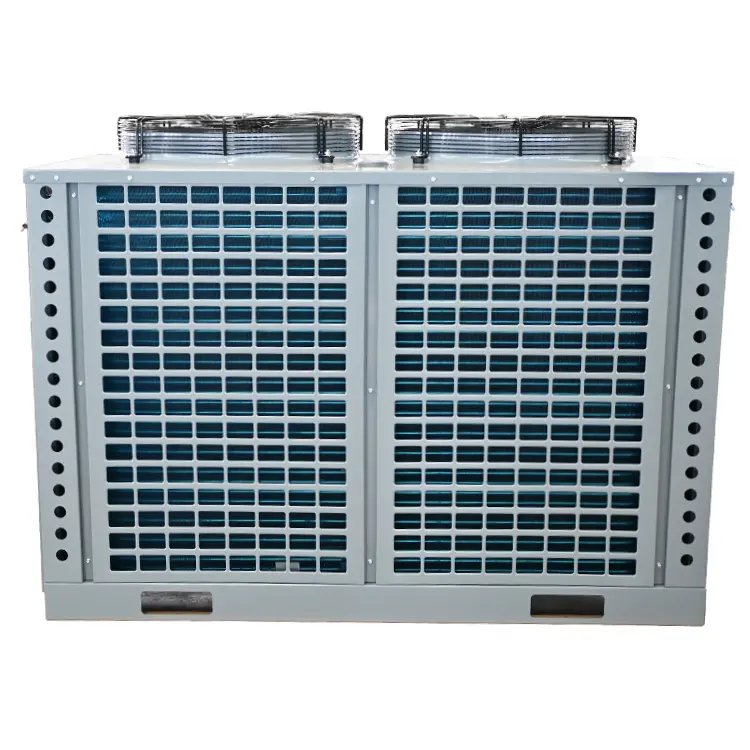
Walk-in coolers serve multiple operational roles, from food storage facilities to commercial kitchens, and each environment presents unique thermal challenges. A scroll condensing unit must not only remove heat generated by infiltration and equipment operation but also respond to the dynamic heat load created when workers enter and exit throughout the day. Understanding how door openings affect your scroll condensing unit sizing decision ensures your cooler maintains consistent temperatures, reduces compressor cycling stress, and extends equipment lifespan.
Understanding Base Cooling Load and Door Opening Impact
Calculating Core Refrigeration Demand
The foundation of any scroll condensing unit sizing project begins with calculating the base cooling load, which includes heat transmission through walls, ceiling, and floor, plus internal heat from lights and equipment. For a walk-in cooler, this calculation typically ranges from 8,000 to 15,000 BTU per hour for a standard commercial unit, depending on size, insulation quality, and ambient temperature conditions. However, this baseline figure assumes minimal air exchange. A scroll condensing unit sized only to this baseline will struggle immediately when door openings occur, causing temperature overshoot and compressor short-cycling that damages system reliability.
Quantifying Infiltration Heat Load
Each door opening admits warm, humid air that must be cooled and dehumidified by the scroll condensing unit. In high-traffic environments, door openings can occur 20 to 100 times per day, depending on facility type. Industry standards suggest adding 10 to 30 percent to base cooling demand for facilities with moderate door traffic, and up to 50 percent for high-frequency access areas. This means if your baseline cooling load is 10,000 BTU per hour, your scroll condensing unit should be rated for 12,000 to 15,000 BTU per hour to reliably handle frequent infiltration without temperature swings. A properly sized scroll condensing unit maintains steady state operation and prevents the compressor from running continuously.
Scroll Condensing Unit Capacity Selection Factors
Matching Compressor Displacement to Your Cooler
A scroll condensing unit capacity is measured in horsepower and cooling tonnage. Common sizes for walk-in coolers range from 1 HP to 5 HP, with each step offering approximately 8,000 to 12,000 BTU per hour of cooling capacity. When choosing a scroll condensing unit, always select the next size up from your calculated demand rather than matching exactly, because scroll compressors perform optimally when running at 70 to 85 percent of full capacity. An oversized scroll condensing unit in this range enhances efficiency, reduces part-load cycling, and provides safety margin for peak demand periods. For walk-in coolers with frequent door openings, this conservative approach prevents system fatigue and maintains product quality.
Environmental and Seasonal Considerations
Ambient temperature significantly affects scroll condensing unit performance. During summer months, outdoor air temperature can push condensing pressure higher, which reduces the cooling capacity of your scroll condensing unit by 3 to 8 percent. When sizing a scroll condensing unit, use peak ambient temperature for your region, not average conditions. Additionally, the cooler's location matters: walk-in coolers positioned in kitchen areas or near loading docks experience greater infiltration than those in climate-controlled environments. A scroll condensing unit installed in a hot kitchen must be oversized more aggressively than one in a temperature-stable storage room. Document your facility's worst-case conditions to guide scroll condensing unit selection and ensure reliable year-round performance.
Practical Sizing Methodology and Installation Best Practices
Step-by-Step Sizing Calculation
Begin by measuring your walk-in cooler dimensions and recording wall insulation R-value, typically R-20 to R-30 for commercial units. Calculate heat transmission loss using standard HVAC formulas or manufacturer calculators, then add internal heat loads from lights and compressors. Estimate door opening frequency and classify your facility as low, moderate, or high traffic. Apply the appropriate infiltration factor—10 percent for low traffic, 30 percent for moderate traffic, or 50 percent for high-frequency access. Multiply your base cooling load by this factor and add the results together. The total becomes your design cooling capacity, which determines whether you need a 1 HP, 2 HP, 3 HP, or 5 HP scroll condensing unit. Once you have this number, select a commercial scroll condensing unit model that meets or exceeds this capacity. A properly calculated scroll condensing unit rating ensures your cooler maintains temperature stability even during peak operational periods.
Installation and System Integration
After selecting your scroll condensing unit, proper installation directly affects performance. Mount the scroll condensing unit on a vibration-damping platform and ensure adequate airflow around the condenser coil, typically requiring 3 feet of clearance on all sides. Use properly sized refrigerant lines between the scroll condensing unit and evaporator, as undersized lines reduce system efficiency and cause compressor damage. Install a receiver tank sized at least 1.5 times the cooling capacity to stabilize refrigerant flow and reduce compressor stress during door-opening surge loads. A well-installed scroll condensing unit with adequate receiver capacity handles infiltration events gracefully. Schedule annual maintenance including filter replacement, condenser cleaning, and refrigerant charge verification to keep your scroll condensing unit operating at rated capacity throughout its service life.
FAQ
What size scroll condensing unit do I need for a 10-foot by 8-foot walk-in cooler with multiple daily door openings?
A standard 10 by 8 cooler generates approximately 6,000 to 8,000 BTU base cooling load. With frequent door openings, add 30 to 50 percent, bringing total demand to 8,000 to 12,000 BTU per hour. A 1.5 to 2 HP scroll condensing unit is typically appropriate for this application, though local ambient conditions and specific door traffic frequency may require the next size up. Consult with a refrigeration professional to verify sizing based on your exact facility conditions and seasonal temperature variations.
Can I use an undersized scroll condensing unit if I improve door seals and reduce infiltration?
Improving door seals and installing strip curtains absolutely reduces infiltration and lessens the burden on your scroll condensing unit, potentially allowing you to use a smaller capacity. However, even with these controls, a moderately sized scroll condensing unit provides safety margin and longer equipment lifespan compared to a unit barely meeting minimum demand. Best practice combines infiltration reduction measures with a conservatively sized scroll condensing unit to balance efficiency and reliability. Calculate your cooling load with improved infiltration estimates, then still size the scroll condensing unit one category above that calculated figure.
How often should I service a scroll condensing unit in a high-traffic walk-in cooler?
High-traffic walk-in coolers stress the scroll condensing unit more heavily due to frequent infiltration and compressor cycling. Service your scroll condensing unit every six months in peak-use seasons and annually during off-seasons. Regular service includes condenser coil cleaning, refrigerant charge verification, vibration and noise monitoring, and receiver tank inspection. Preventive maintenance keeps your scroll condensing unit operating at full capacity and prevents expensive emergency repairs during peak business periods.