
 EN
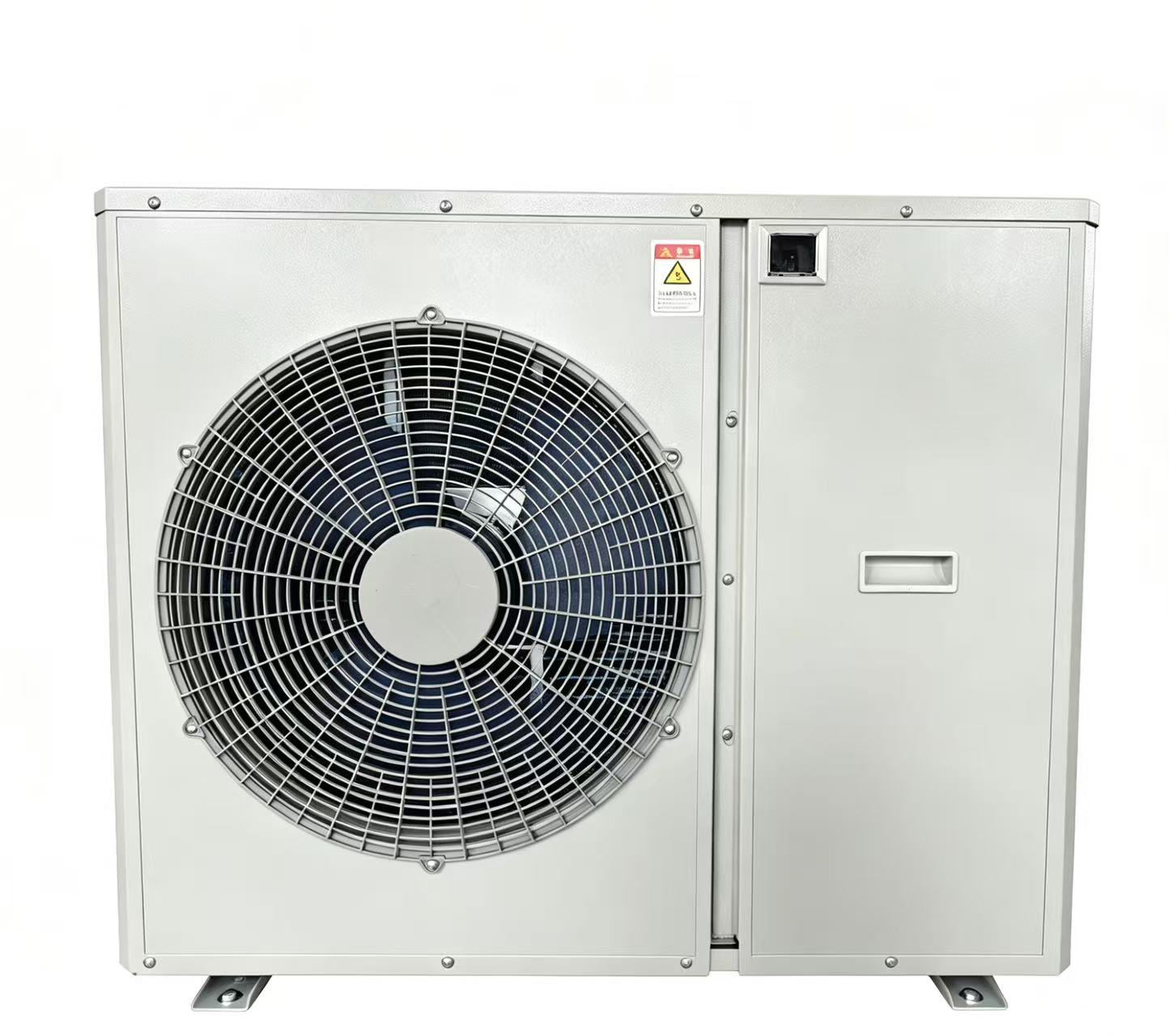
Restaurant refrigeration systems depend heavily on reliable cooling equipment, and the hermetic condensing unit serves as the backbone of most commercial operations. Understanding the common sizes and capacities of a hermetic condensing unit is essential for restaurateurs, facility managers, and HVAC technicians who need to make informed purchasing and maintenance decisions. The right hermetic condensing unit size directly impacts energy efficiency, food safety, and operational costs, making this knowledge critical for any food service business.
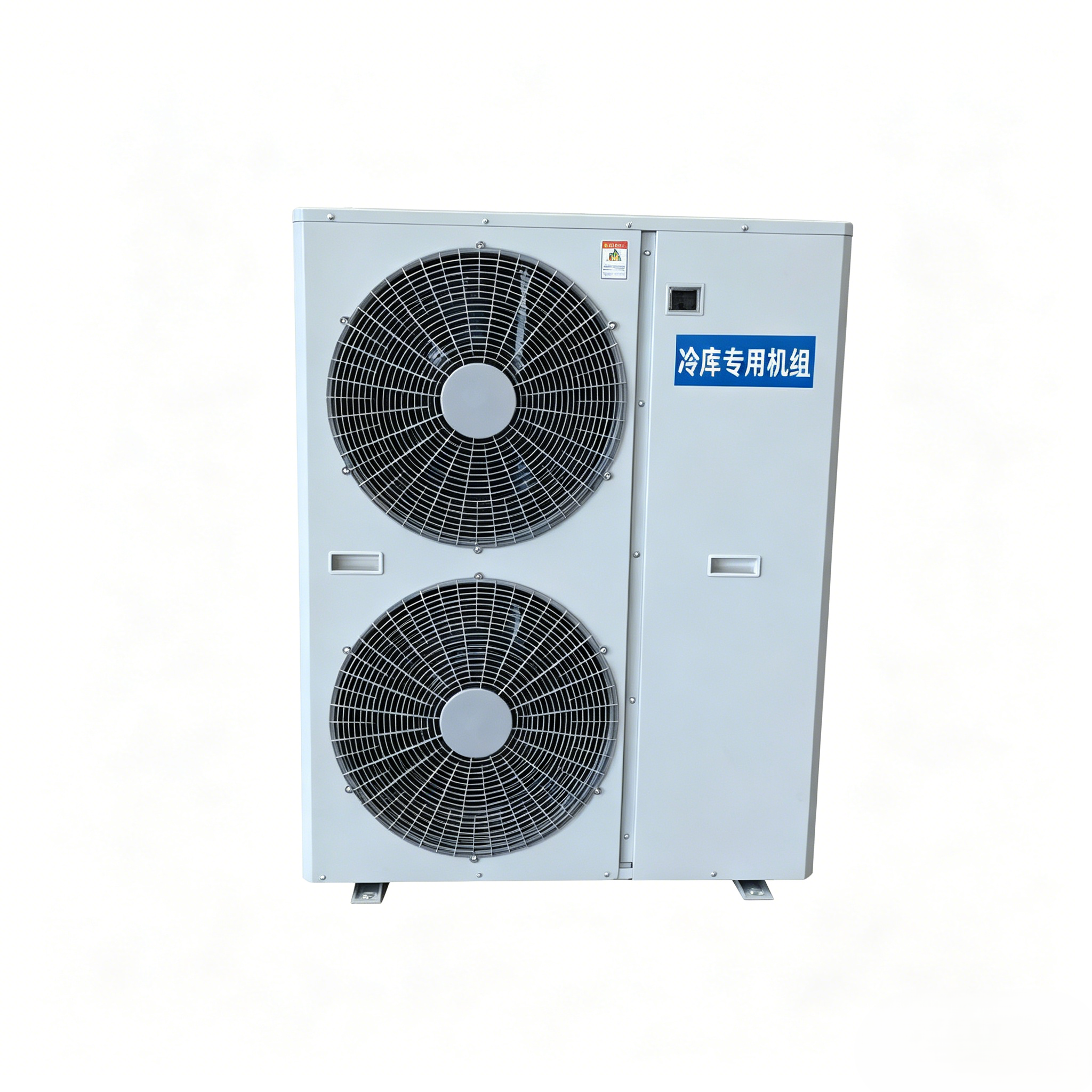
A hermetic condensing unit is a complete refrigeration component that combines a compressor, condenser, and receiver into one sealed assembly. These units are engineered to handle the continuous demands of restaurant environments, where uptime, reliability, and consistent temperature control are non-negotiable. The hermetic condensing unit market offers numerous capacity options, each designed to serve specific cooling requirements across different restaurant sizes and kitchen configurations.
Standard Hermetic Condensing Unit Capacity Range
Horsepower and Tonnage Classifications
Restaurant refrigeration systems typically employ hermetic condensing unit models ranging from 2 horsepower to 15 horsepower, with capacity measured in refrigeration tons. A single-ton hermetic condensing unit removes approximately 12,000 BTU of heat per hour, and most commercial kitchen operations require multiple units or larger-capacity models. The most common hermetic condensing unit sizes found in small to medium restaurants fall between 3 and 8 horsepower, which translates to roughly 2.5 to 6 tons of cooling capacity. This range covers walk-in coolers, reach-in refrigerators, and prep tables simultaneously operating across a typical food service floor.
Electrical and Physical Specifications
The hermetic condensing unit you select must align with your facility's electrical infrastructure. Most restaurant hermetic condensing unit installations operate on 208–230-volt or 460-volt three-phase power, depending on local availability and equipment design. Physical dimensions vary significantly, with smaller hermetic condensing unit models occupying space as small as 24 inches by 36 inches, while larger units may require floor space exceeding 4 feet by 5 feet. Facility layout, rooftop access, and installation location all influence which hermetic condensing unit dimensions will work best for your operation.
Common Hermetic Condensing Unit Sizes by Restaurant Type
Small and Independent Restaurants
Independent and small-chain restaurants typically operate one or two hermetic condensing unit systems in the 3 to 5 horsepower range. These establishments usually maintain walk-in coolers for produce and proteins, along with reach-in refrigeration for prep work and storage. A 4-horsepower hermetic condensing unit provides adequate capacity for this configuration, offering approximately 3 tons of cooling power. The hermetic condensing unit at this size level strikes a practical balance between initial investment, energy consumption, and sufficient capacity for single-shift or dual-shift operations without requiring complex multi-unit coordination.
Large and Chain Restaurants
Larger restaurants and chain locations frequently deploy multiple hermetic condensing unit systems or invest in larger single units ranging from 6 to 10 horsepower. These establishments operate extensive refrigeration networks including multiple walk-in coolers, reach-in cases, prep stations, and frozen storage. A hermetic condensing unit rated at 8 horsepower is considered standard in full-service restaurants handling significant food volume and complex menu requirements. The hermetic condensing unit capacity at this level ensures that all refrigeration zones maintain required temperatures even during peak food preparation periods.
High-Volume and Specialty Operations
Supermarket deli sections, central commissaries, and large catering kitchens may require hermetic condensing unit systems exceeding 10 horsepower. These operations sometimes employ dual hermetic condensing unit configurations or single large-capacity models to handle simultaneous cooling demands across dozens of refrigeration points. The hermetic condensing unit sizing in these environments considers redundancy requirements, as equipment failure directly impacts extensive food storage infrastructure and can result in significant product loss.
Selection Factors and Performance Considerations
Load Calculation and Environmental Factors
Selecting the appropriate hermetic condensing unit size requires calculating total cooling load, which depends on refrigerated space dimensions, insulation quality, ambient temperature, and heat generation from equipment and foot traffic. HVAC professionals use industry-standard formulas to determine required cooling capacity before recommending a specific hermetic condensing unit model. A hermetic condensing unit that is undersized will struggle to maintain temperatures during peak demand, while an oversized hermetic condensing unit wastes energy and cycles inefficiently. Proper load calculation ensures your hermetic condensing unit operates within optimal efficiency parameters while maintaining food safety standards.
Compressor Technology and Efficiency Ratings
Modern hermetic condensing unit systems use scroll or reciprocating compressors with varying efficiency ratings and refrigerant compatibility. The hermetic condensing unit efficiency depends on compressor design, condenser quality, and receiver size, all of which affect operating cost over the equipment's lifespan. Newer hermetic condensing unit models with enhanced compressors can deliver equivalent cooling capacity at lower horsepower ratings compared to older designs. Energy-efficient hermetic condensing unit selection can reduce utility costs by 15 to 25 percent compared to older technology, making the upfront investment financially justified for restaurant operators.
Installation Location and Maintenance Access
The hermetic condensing unit must be positioned where adequate airflow reaches the condenser coils without recirculation of hot discharge air. Rooftop installations are common for hermetic condensing unit systems, though some restaurants place these units outdoors at ground level or against exterior walls. A hermetic condensing unit that is properly positioned minimizes strain on the compressor and extends equipment life significantly. Regular maintenance access is critical, as a hermetic condensing unit requires periodic cleaning, oil level checks, and refrigerant charge verification to maintain peak performance.
FAQ
What is the most popular hermetic condensing unit size for typical restaurants?
The 4 to 6 horsepower hermetic condensing unit range dominates restaurant refrigeration installations. This range provides sufficient cooling capacity for standard walk-in coolers and reach-in refrigeration without excessive energy consumption. Most quick-service restaurants and casual dining establishments operate effectively with a hermetic condensing unit in the 4 to 5 horsepower category, while full-service establishments often step up to 6 to 8 horsepower to handle expanded refrigeration demands.
How do I know if my restaurant needs a larger hermetic condensing unit?
Signs that your hermetic condensing unit is undersized include difficulty maintaining target temperatures during busy periods, compressor running continuously without cycling off, and elevated humidity inside refrigerated spaces. If multiple refrigeration zones operate simultaneously and struggle to reach set points, a larger hermetic condensing unit may be necessary. Consulting with HVAC professionals who can measure actual operating temperatures and load conditions will determine whether upgrading your hermetic condensing unit is justified.
Can I use a hermetic condensing unit from a different brand as a replacement?
Yes, replacement hermetic condensing unit units from different manufacturers can work as substitutes if they match horsepower, electrical requirements, and refrigerant type compatibility. The hermetic condensing unit must connect properly to existing refrigerant piping and electrical systems without modifications. However, using a hermetic condensing unit with different capacity than the original may require system recalibration or adjustment of expansion devices to maintain optimal performance and efficiency.