 EN

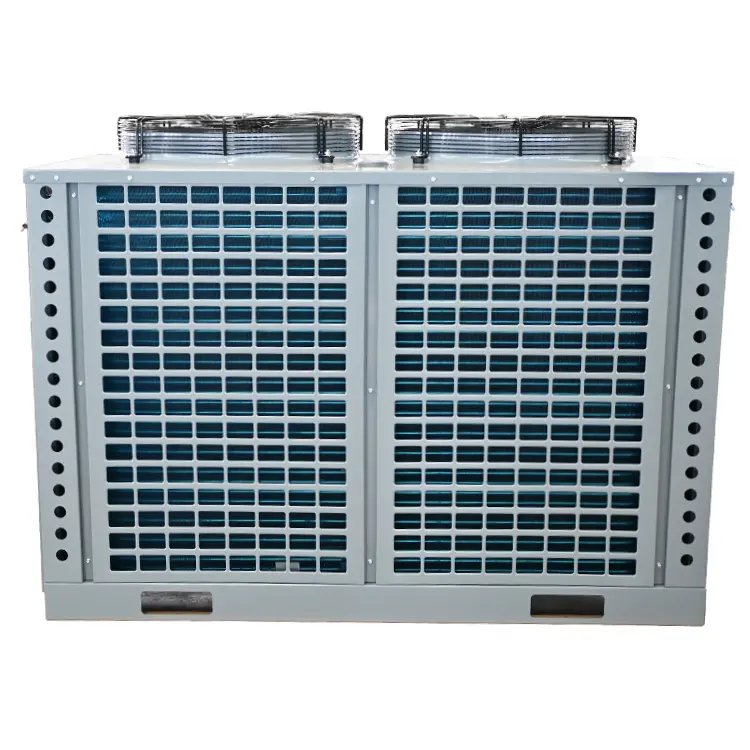
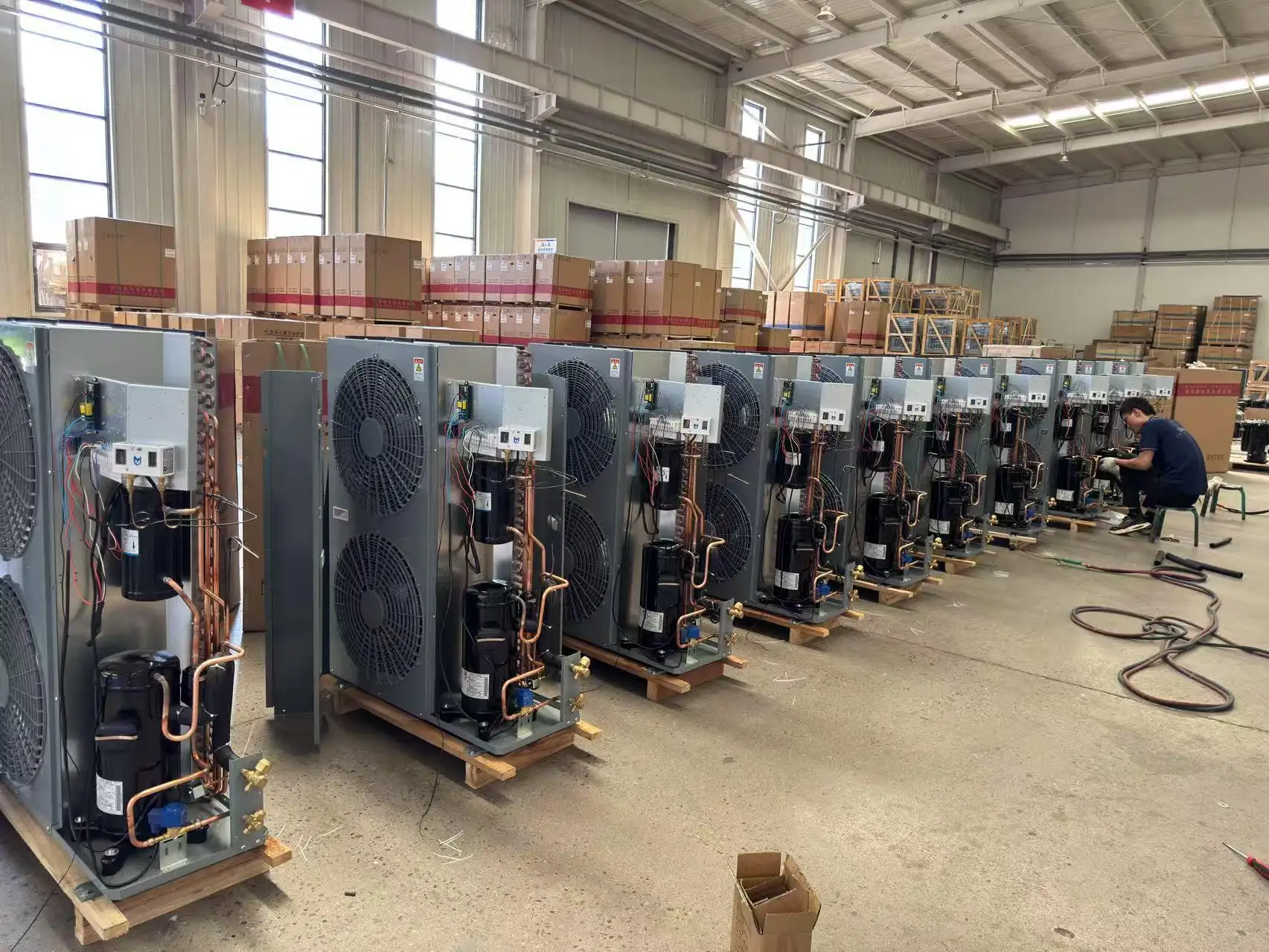
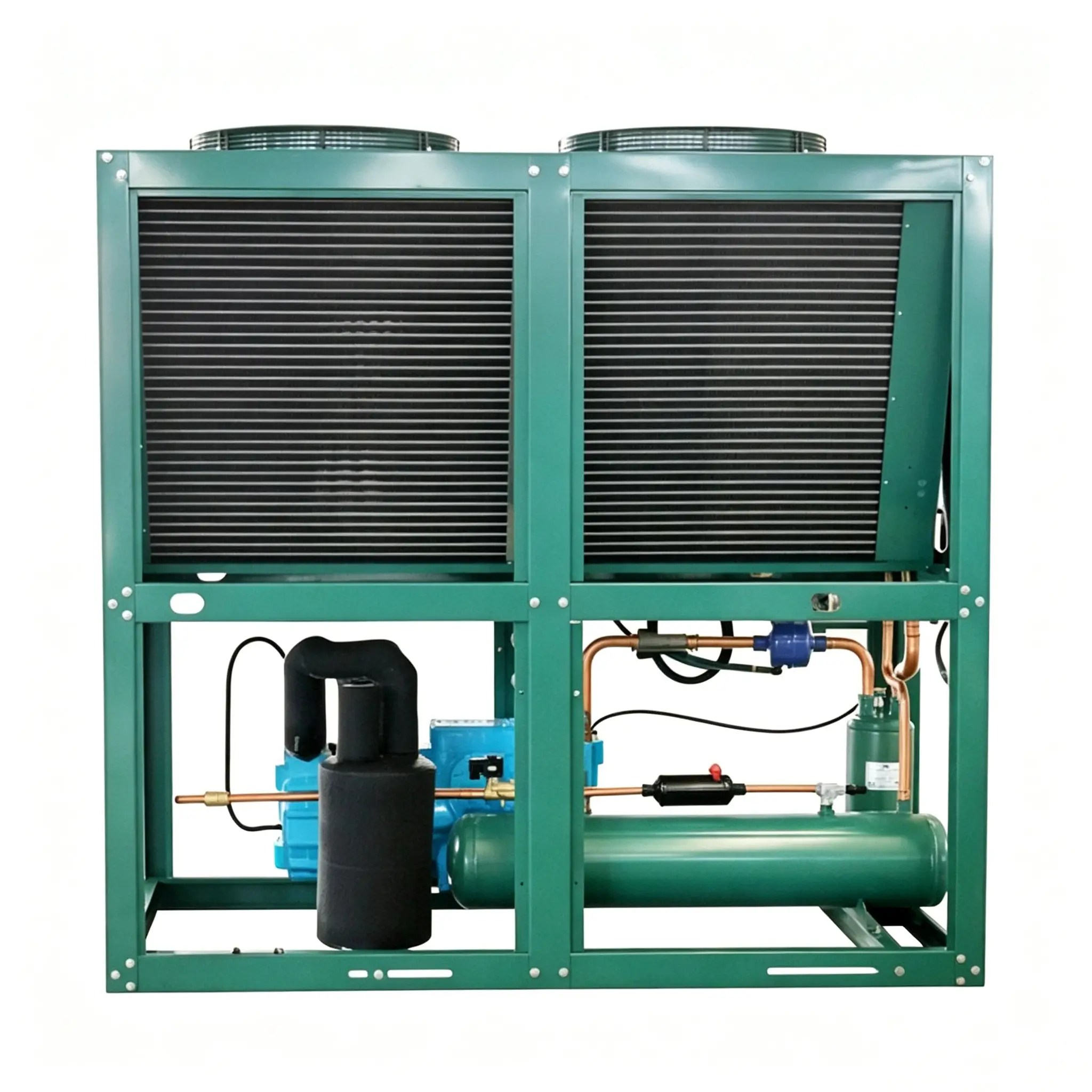
When industrial and commercial facilities face space constraints, selecting the right cooling equipment becomes critical. A v type condensing unit offers a compelling solution designed specifically for tight installations. The unique architecture of a v type condensing unit allows operators to maximize cooling capacity while minimizing the physical footprint required. Understanding why a v type condensing unit outperforms traditional configurations in confined spaces requires examining both the engineering principles and real-world operational benefits that make this design superior.
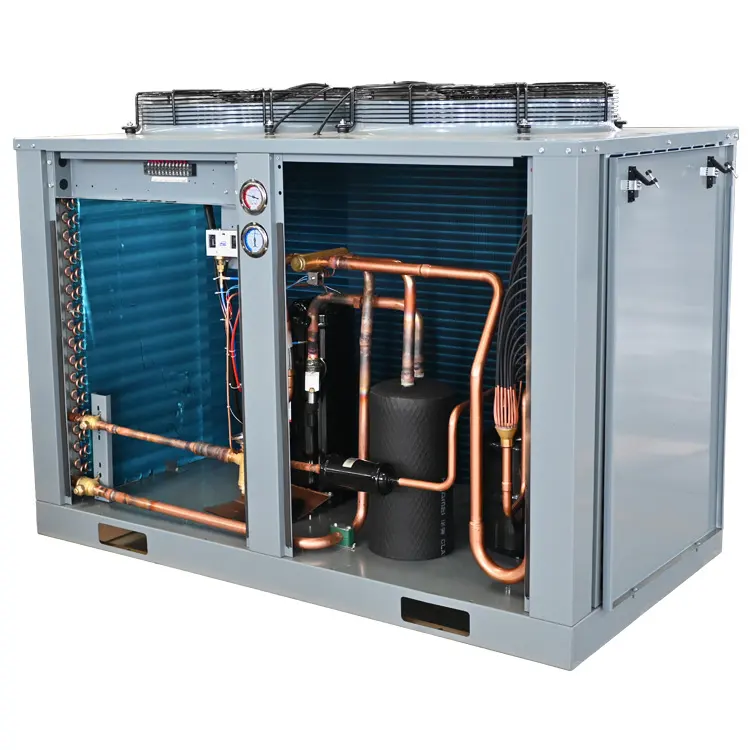
The dual airflow configuration inherent to a v type condensing unit fundamentally changes how heat rejection occurs within limited spaces. Unlike conventional condensers that require single-directional airflow across their entire surface, a v type condensing unit splits the heat rejection pathways. This design innovation allows the unit to operate effectively even when surrounding space cannot accommodate traditional configurations. For facilities where every square meter matters, a v type condensing unit represents a strategic investment in both efficiency and operational flexibility.
The Design Advantage of Dual Airflow Architecture
How V-Type Configuration Differs from Conventional Units
A v type condensing unit employs a distinctive V-shaped fan arrangement that creates two independent airflow streams. This contrasts sharply with traditional condensers where a single large fan moves air across the entire coil assembly. The v type condensing unit design splits airflow into two paths that converge at the base, distributing thermal load more evenly and efficiently. Each airflow path within a v type condensing unit operates independently, allowing better heat dissipation even in constrained environments. This separation of airflow streams means a v type condensing unit can achieve superior performance without requiring the horizontal clearance that standard equipment demands.
Space Utilization and Installation Benefits
The compact profile of a v type condensing unit makes installation feasible in locations where conventional condensers would be impossible to fit. A v type condensing unit can be positioned vertically or at angles that maximize available space, whereas traditional units require dedicated open areas. Facilities with rooftop constraints, alley installations, or limited expansion space find that a v type condensing unit solves logistical challenges that would otherwise require expensive structural modifications. The footprint efficiency of a v type condensing unit often enables retrofitting existing systems without complete facility redesign. When space is measured in premium square footage, a v type condensing unit delivers operational density that justifies the engineering investment.
Thermal Performance in Constrained Environments
Heat Rejection Efficiency with Limited Air Movement
Confined spaces inherently restrict natural air circulation, which creates a critical challenge for condenser performance. A v type condensing unit addresses this challenge through its dual-path airflow design that promotes continuous heat removal even when surrounding air is stagnant. The split airflow pattern within a v type condensing unit creates micro-ventilation effects that prevent hot air recirculation, a common problem with single-fan condensers in tight spaces. By maintaining distinct airflow zones, a v type condensing unit achieves higher temperature differentials across the heat exchange surface. This performance characteristic makes a v type condensing unit particularly valuable in underground installations, enclosed mechanical rooms, or spaces where external air intake is severely limited.
Noise and Vibration Reduction in Close Quarters
Operating equipment in confined spaces amplifies noise and vibration concerns because sound waves reflect off surrounding surfaces. A v type condensing unit distributes mechanical stress across multiple fan assemblies rather than concentrating it in a single unit, reducing overall vibration transmission. The v type condensing unit design naturally creates acoustic benefits because dual smaller fans generate lower frequency noise than one large fan would produce. For facilities where nearby spaces host temperature-sensitive processes or personnel areas, a v type condensing unit provides both thermal and environmental performance improvements. This dual benefit makes a v type condensing unit especially attractive in mixed-use facilities or installations adjacent to office environments.
Operational Reliability and Maintenance in Limited Spaces
Accessibility Features of V-Type Configuration
Maintenance accessibility becomes exponentially more difficult in confined installations, which creates long-term operational risks. A v type condensing unit design anticipates this challenge by positioning components at angles and heights that facilitate technician access without disassembly. The modular architecture typical of a v type condensing unit allows individual fan sections or coil segments to receive maintenance or cleaning while the unit remains partially operational. Contrast this with traditional condensers where any service work requires complete facility shutdown. When a v type condensing unit needs repair or preventive maintenance, the split-system nature means partial capacity can often be maintained, reducing downtime. This accessibility advantage means a v type condensing unit delivers lower lifetime maintenance costs despite more complex initial engineering.
Longevity and System Stability
The distributed load architecture of a v type condensing unit naturally extends equipment lifespan compared to oversized single-fan configurations attempting to operate in constrained spaces. A v type condensing unit experiences more balanced thermal cycling because each fan operates within optimal parameters rather than straining against environmental constraints. Reduced stress on individual components means a v type condensing unit requires fewer replacements and maintains consistent operating efficiency throughout its service life. The redundancy inherent in a v type condensing unit design means one fan section can continue functioning if the other requires temporary shutdown, enhancing system stability. For critical cooling applications in confined spaces, a v type condensing unit provides both immediate performance and long-term reliability advantages that justify premium acquisition costs.
FAQ
Can a v type condensing unit really save space compared to traditional models?
Yes, a v type condensing unit typically requires 30–40 percent less horizontal clearance than conventional condensers of equivalent capacity. The V-shaped configuration allows the unit to fit into narrow spaces, alleyways, and corners where standard equipment cannot physically fit. Because a v type condensing unit splits airflow vertically rather than horizontally, it accommodates tight vertical spaces that would require traditional condensers to be placed farther away from surrounding structures.
What maintenance demands does a v type condensing unit impose on facility operators?
A v type condensing unit requires the same fundamental maintenance as any condenser: regular coil cleaning, fan blade inspection, and refrigerant charge verification. The advantage is that a v type condensing unit design provides superior accessibility to these components without requiring complete system dismantling. Quarterly cleaning cycles for a v type condensing unit prevent fouling that would otherwise degrade performance faster in confined spaces where air recirculation becomes problematic.
In what specific applications does a v type condensing unit deliver the greatest advantage?
A v type condensing unit excels in rooftop installations with height restrictions, underground mechanical rooms, industrial facilities with process equipment crowding, and retrofit projects where space is already allocated. Any scenario where confined space would normally compromise cooling capacity becomes solvable through a v type condensing unit. Pharmaceutical storage facilities, data centers with tight aisles, and commercial kitchens frequently benefit from the space-efficient design advantages that a v type condensing unit provides.