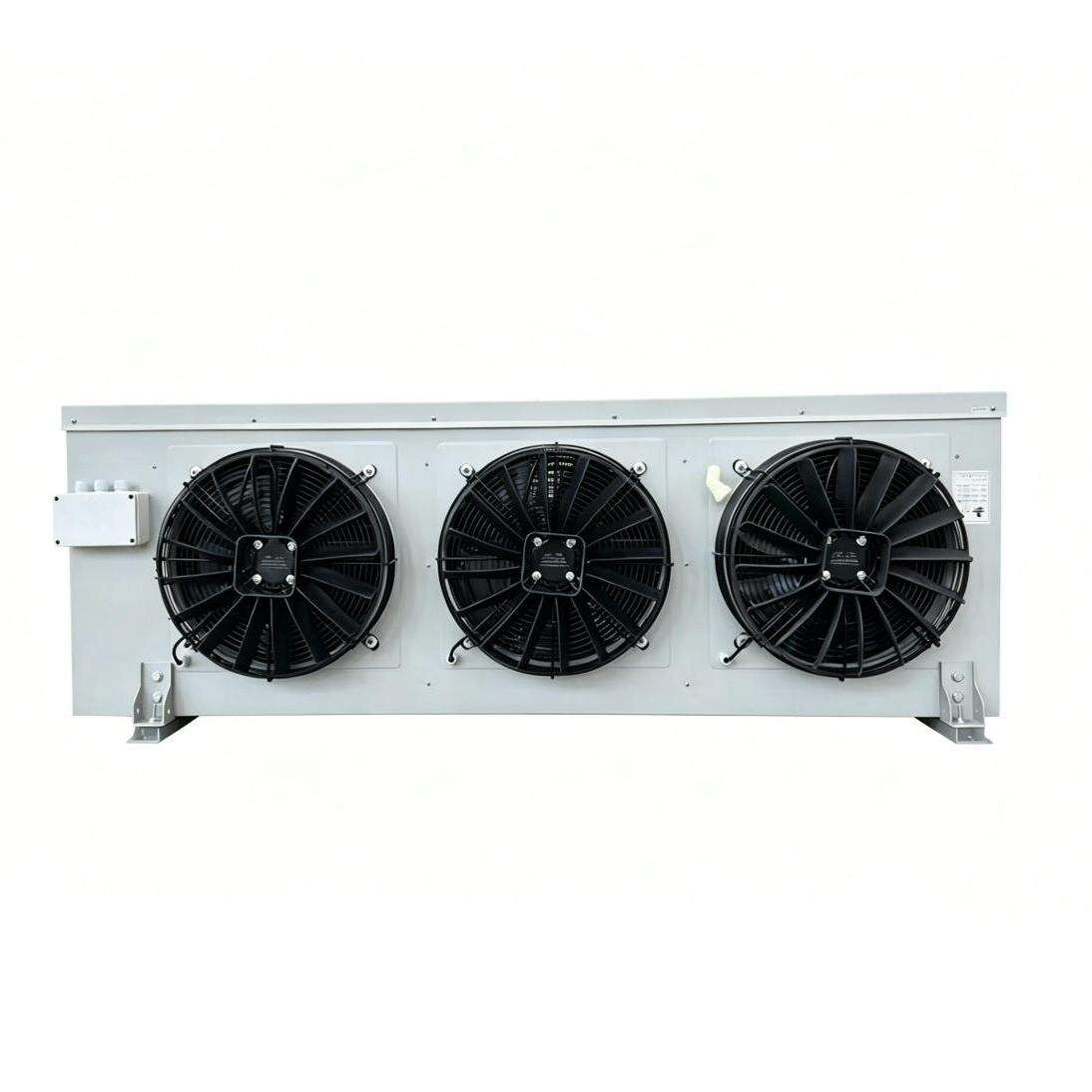
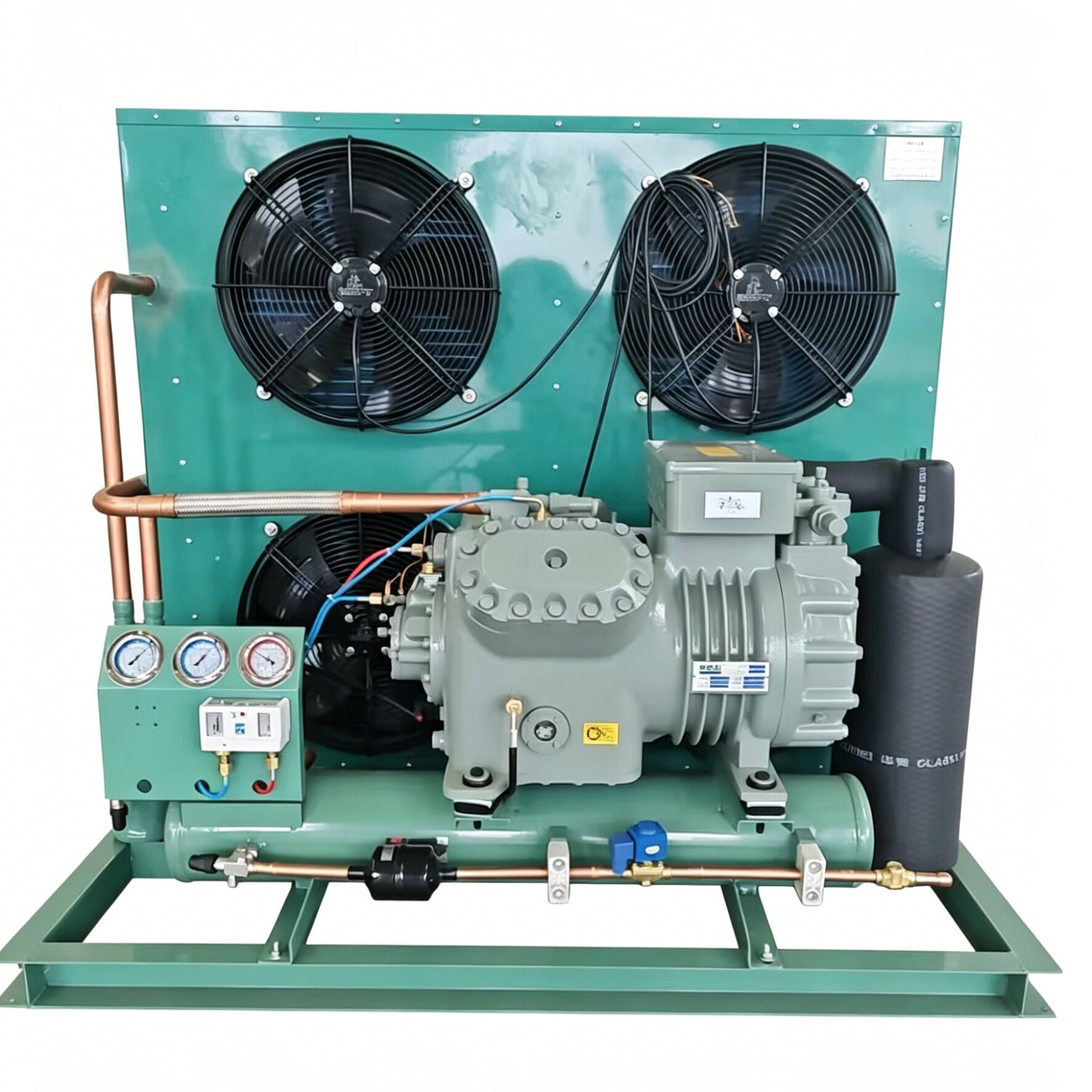
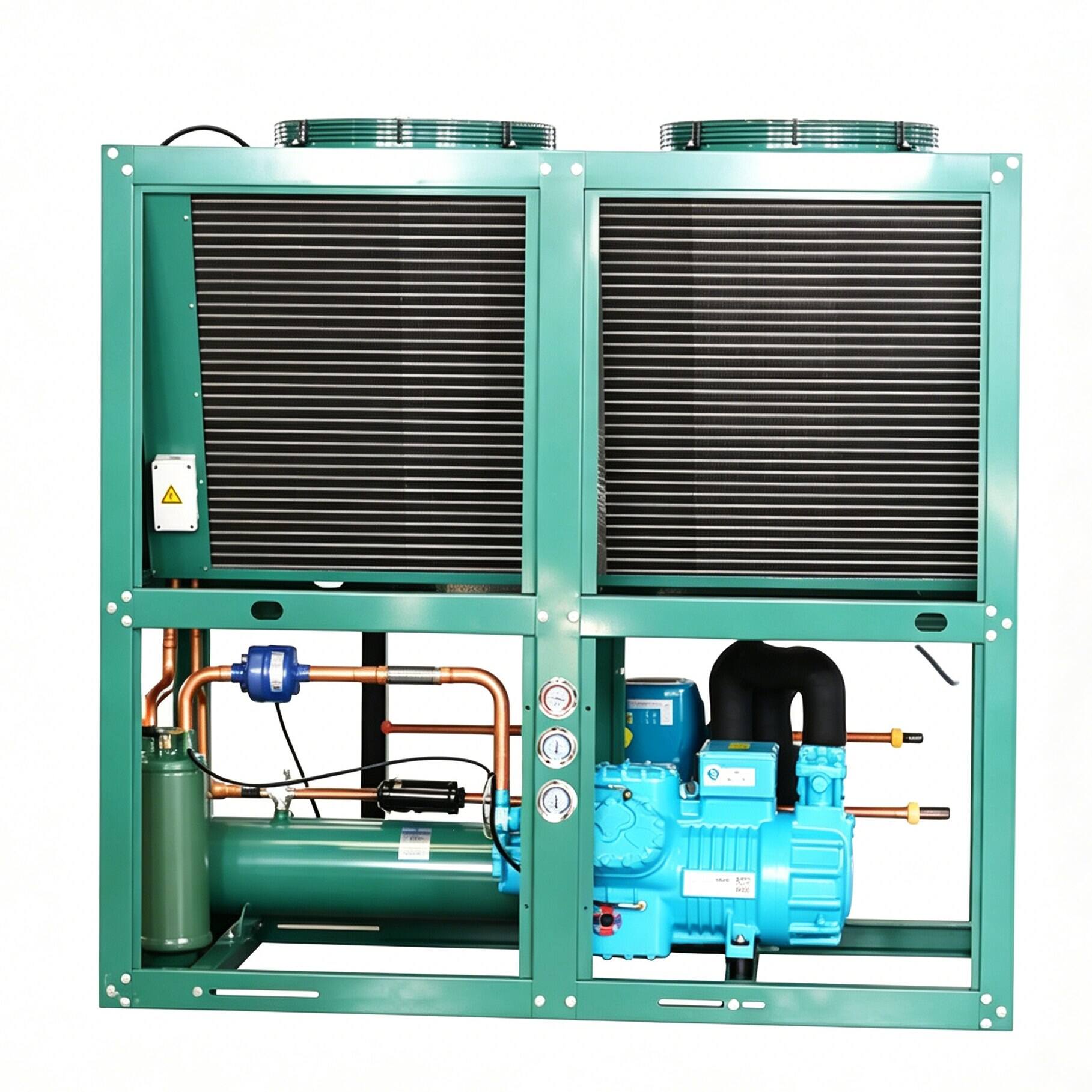
air unit condenser
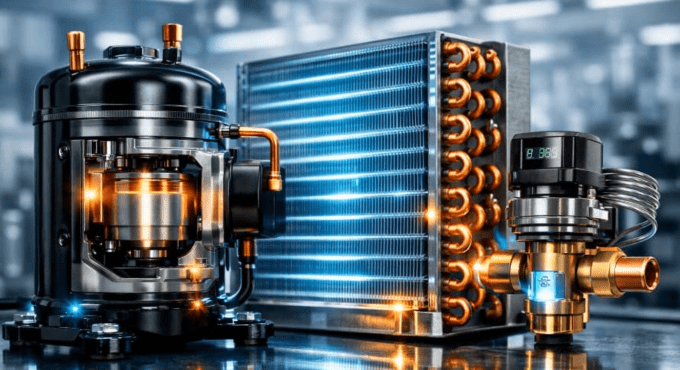
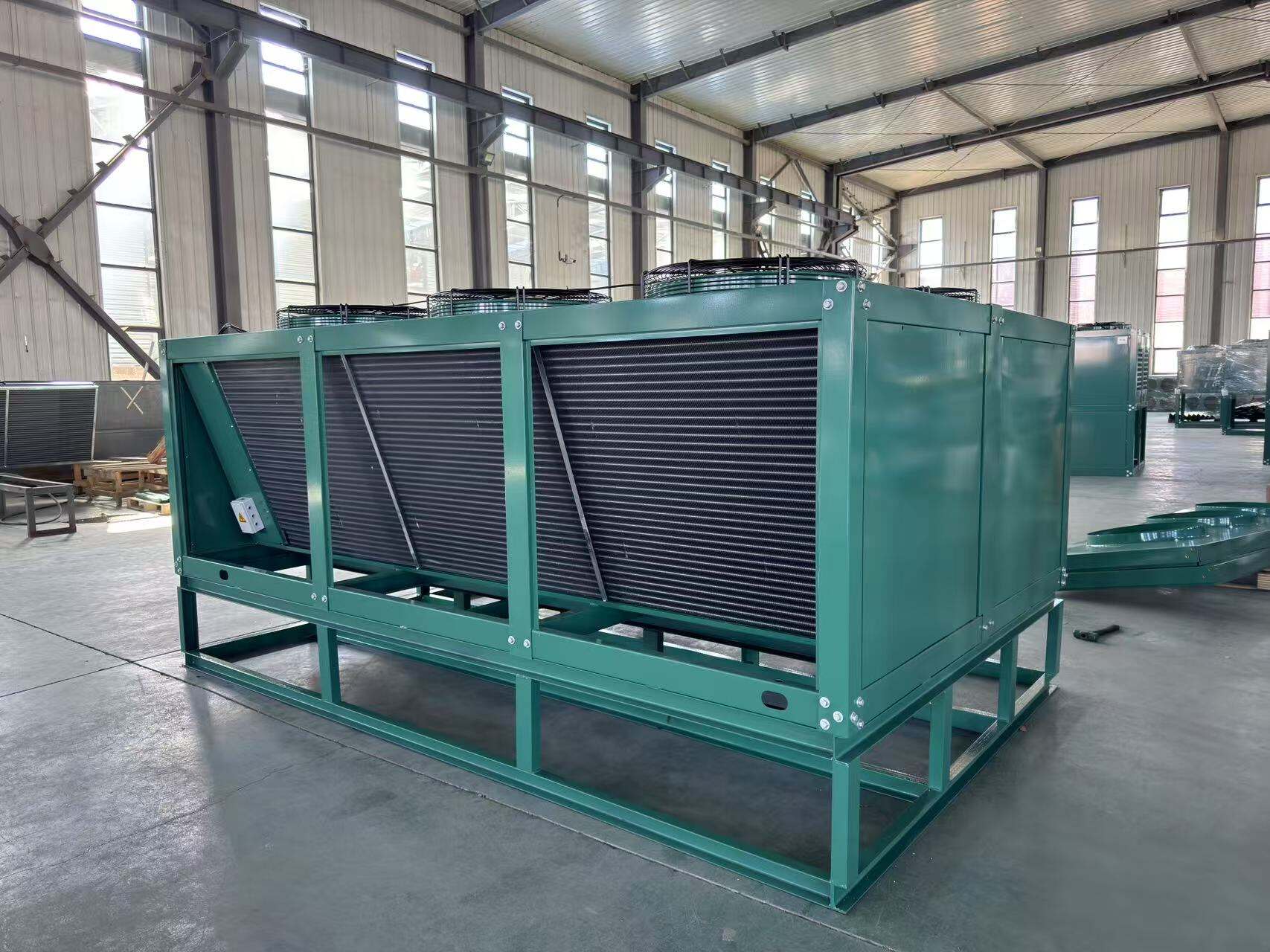
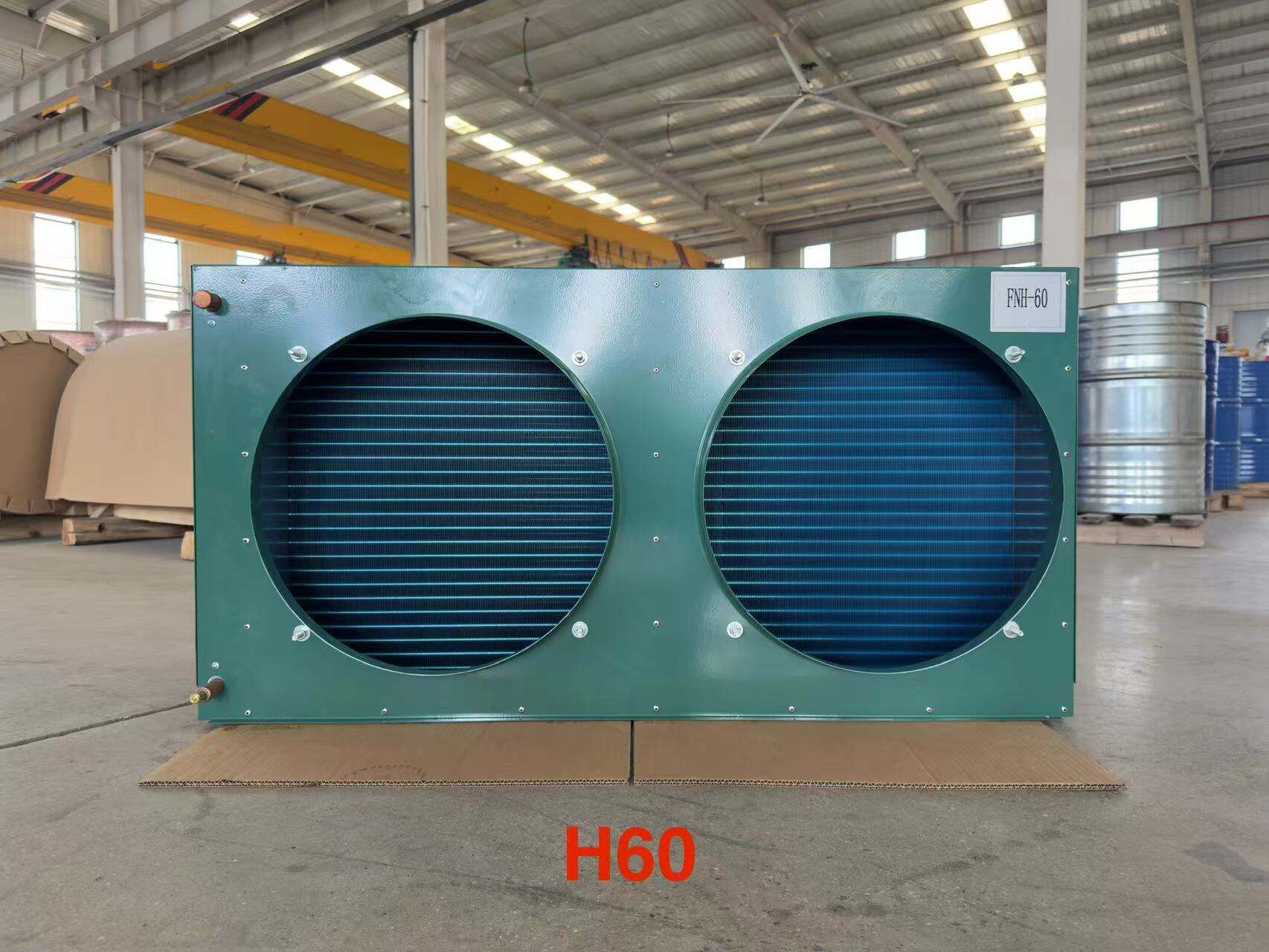
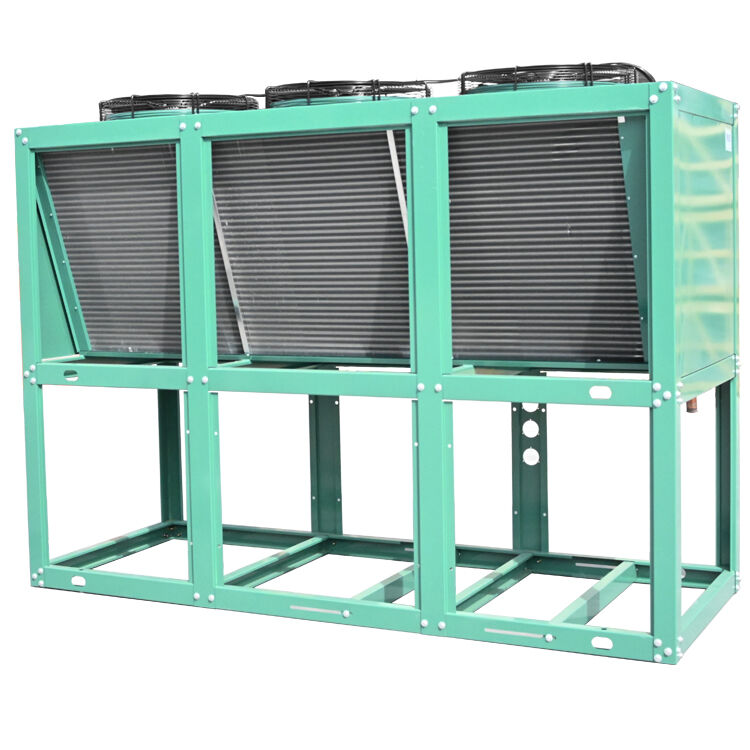
An air unit condenser is a critical component in refrigeration and air conditioning systems that facilitates the heat rejection process by converting high-pressure refrigerant vapor into liquid form. This essential device operates by releasing heat absorbed from indoor spaces to the outdoor environment through a series of coils and fins. The air unit condenser works in conjunction with compressors, evaporators, and expansion valves to complete the refrigeration cycle, ensuring efficient climate control and temperature regulation. The primary function of an air unit condenser involves receiving superheated refrigerant gas from the compressor and cooling it down using ambient air forced across the condenser coils by fans. As the refrigerant releases heat energy, it undergoes a phase change from gas to liquid, preparing it for circulation back through the system. Modern air unit condenser designs incorporate advanced materials such as copper tubing and aluminum fins to maximize heat transfer efficiency while minimizing energy consumption. These condensers are engineered with varying configurations including microchannel, tube-and-fin, and plate designs to suit different applications and space requirements. The air unit condenser plays a vital role in commercial refrigeration, residential HVAC systems, industrial cooling processes, and automotive air conditioning. Its performance directly impacts overall system efficiency, operating costs, and environmental sustainability. With technological advancements, contemporary air unit condenser models feature enhanced durability, corrosion resistance, and optimized airflow patterns that deliver superior cooling performance across diverse operating conditions and climate zones.




 EN
EN