industrial condensers
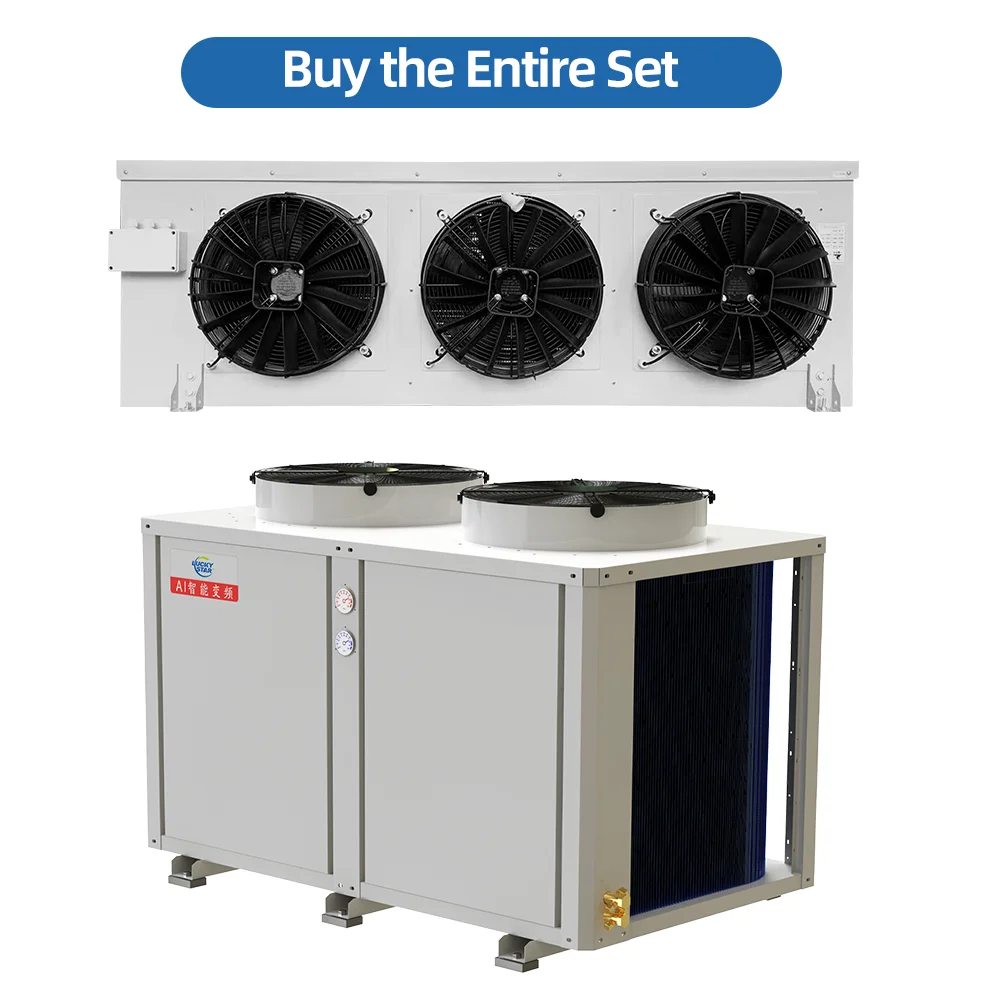
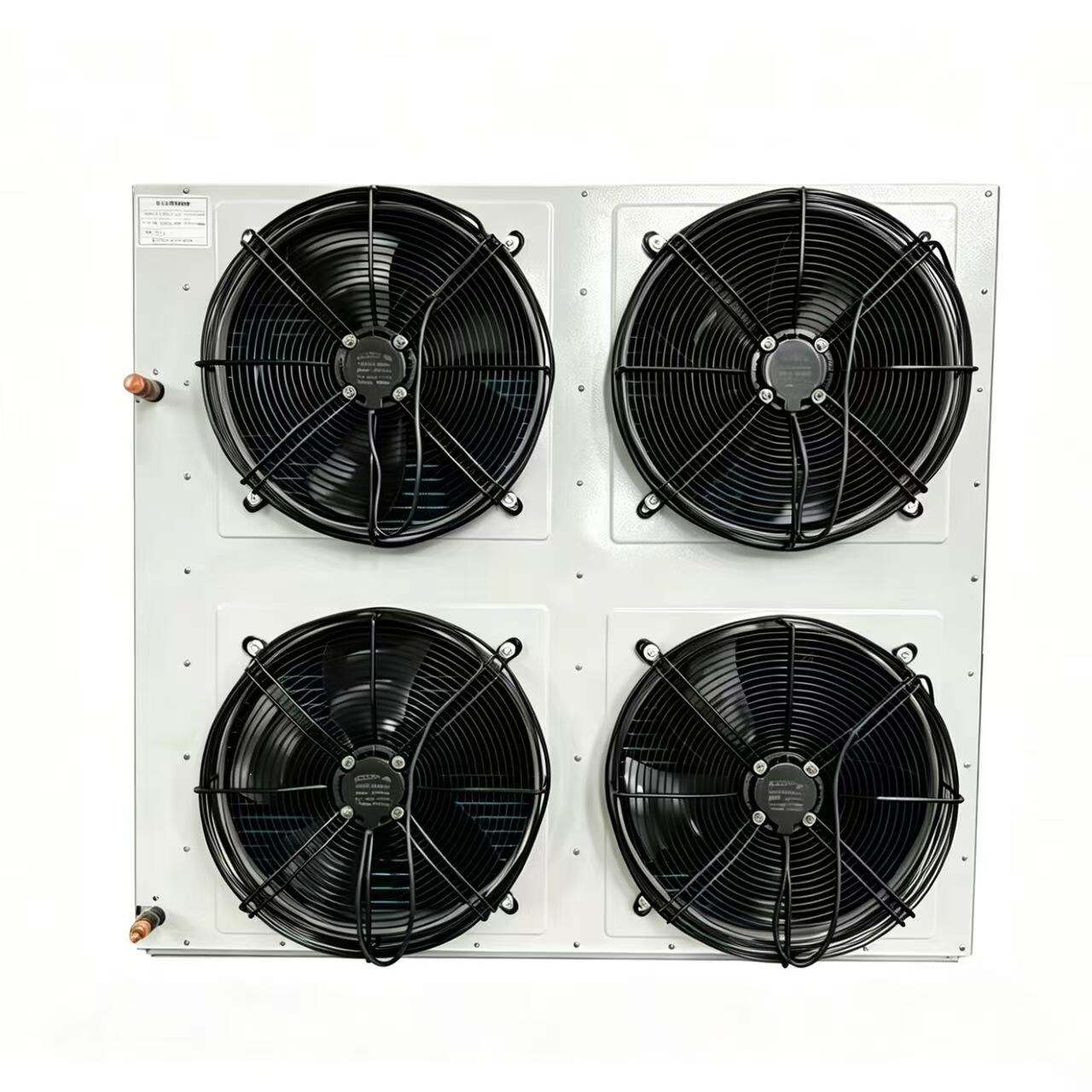
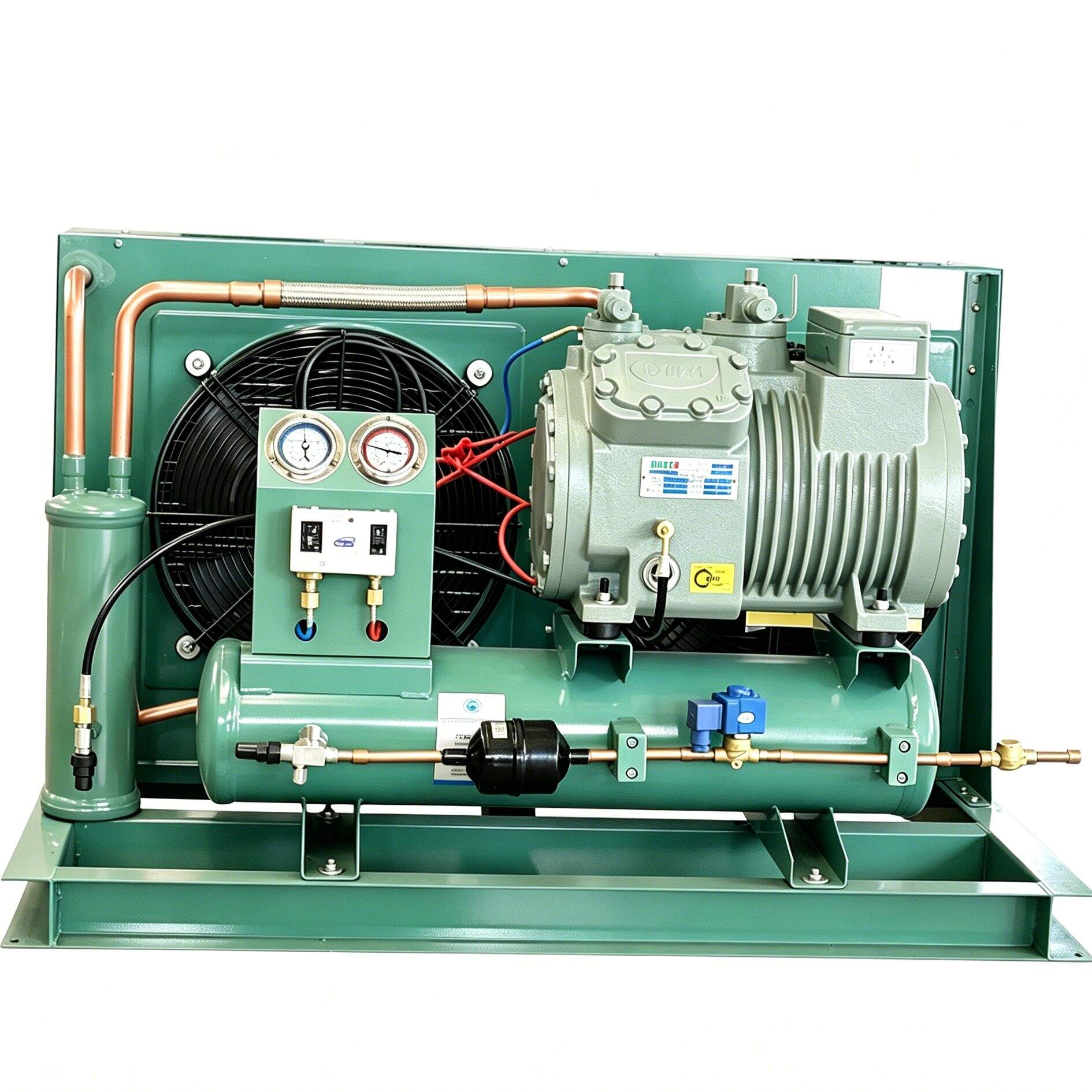
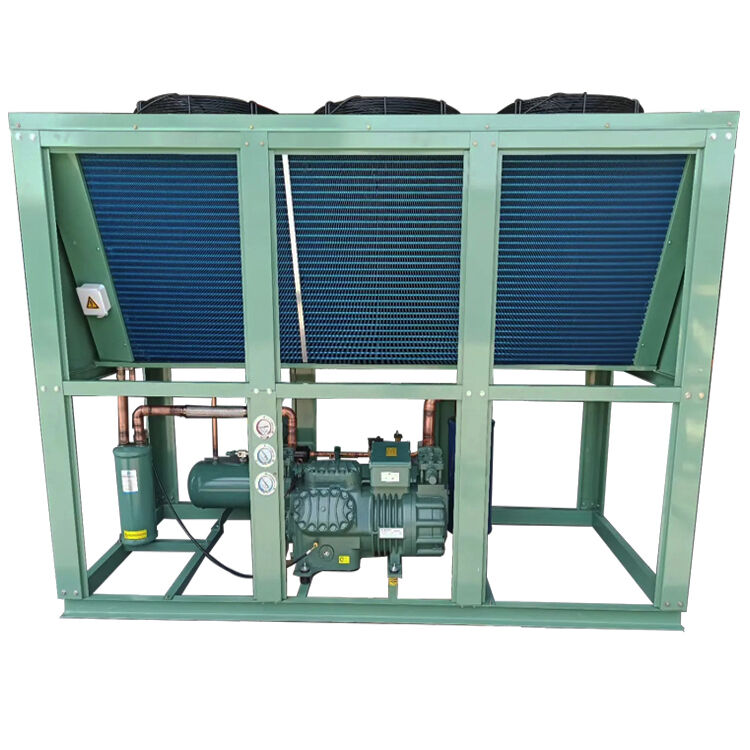
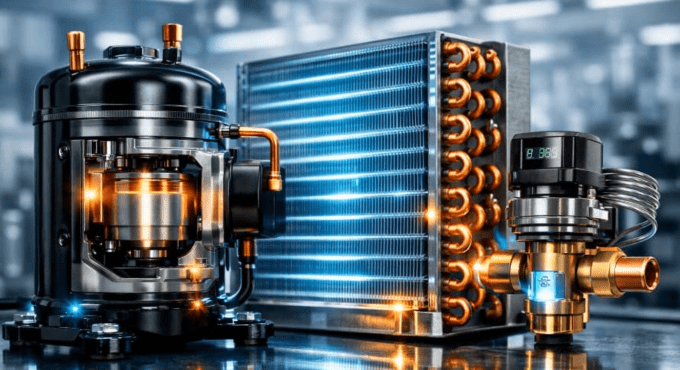
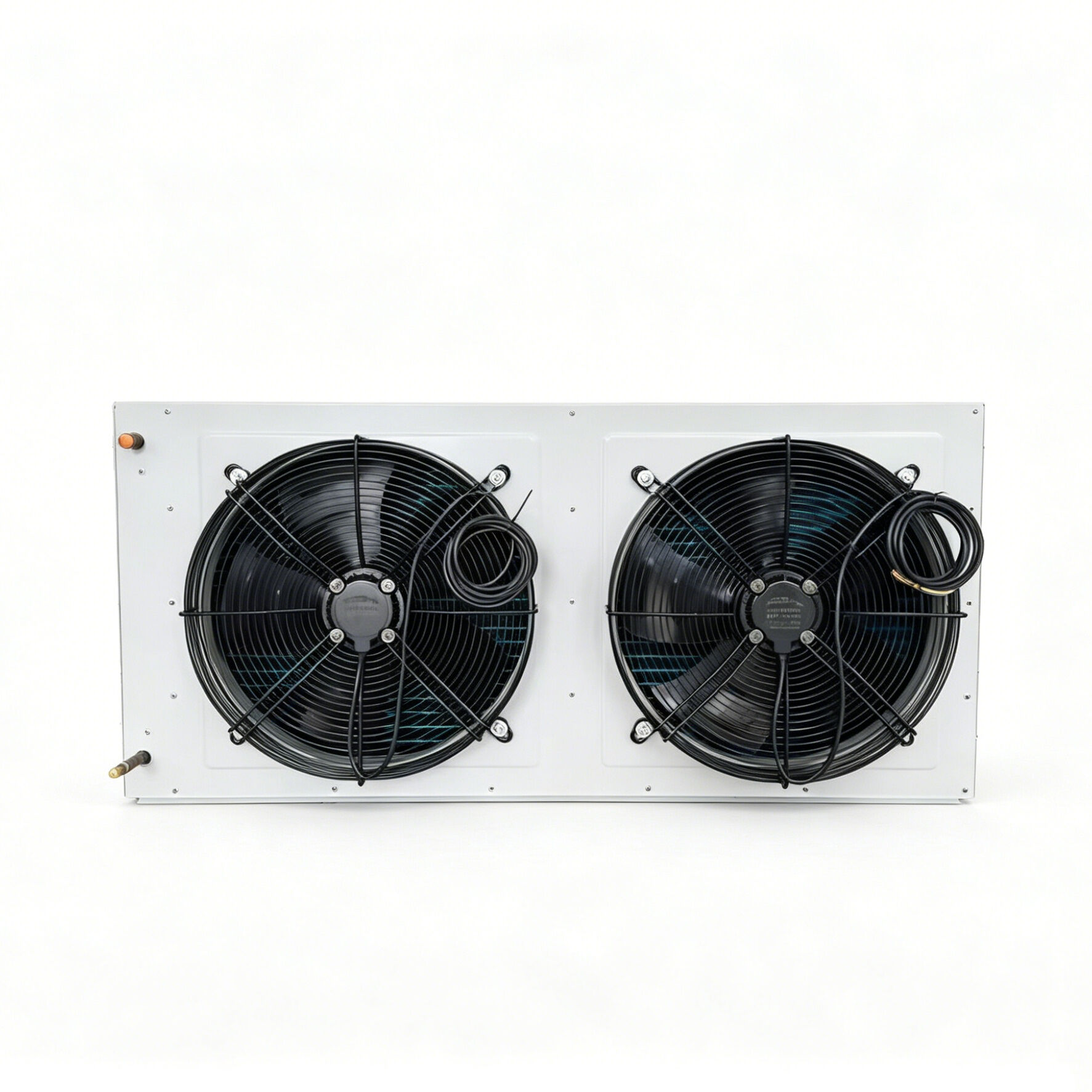
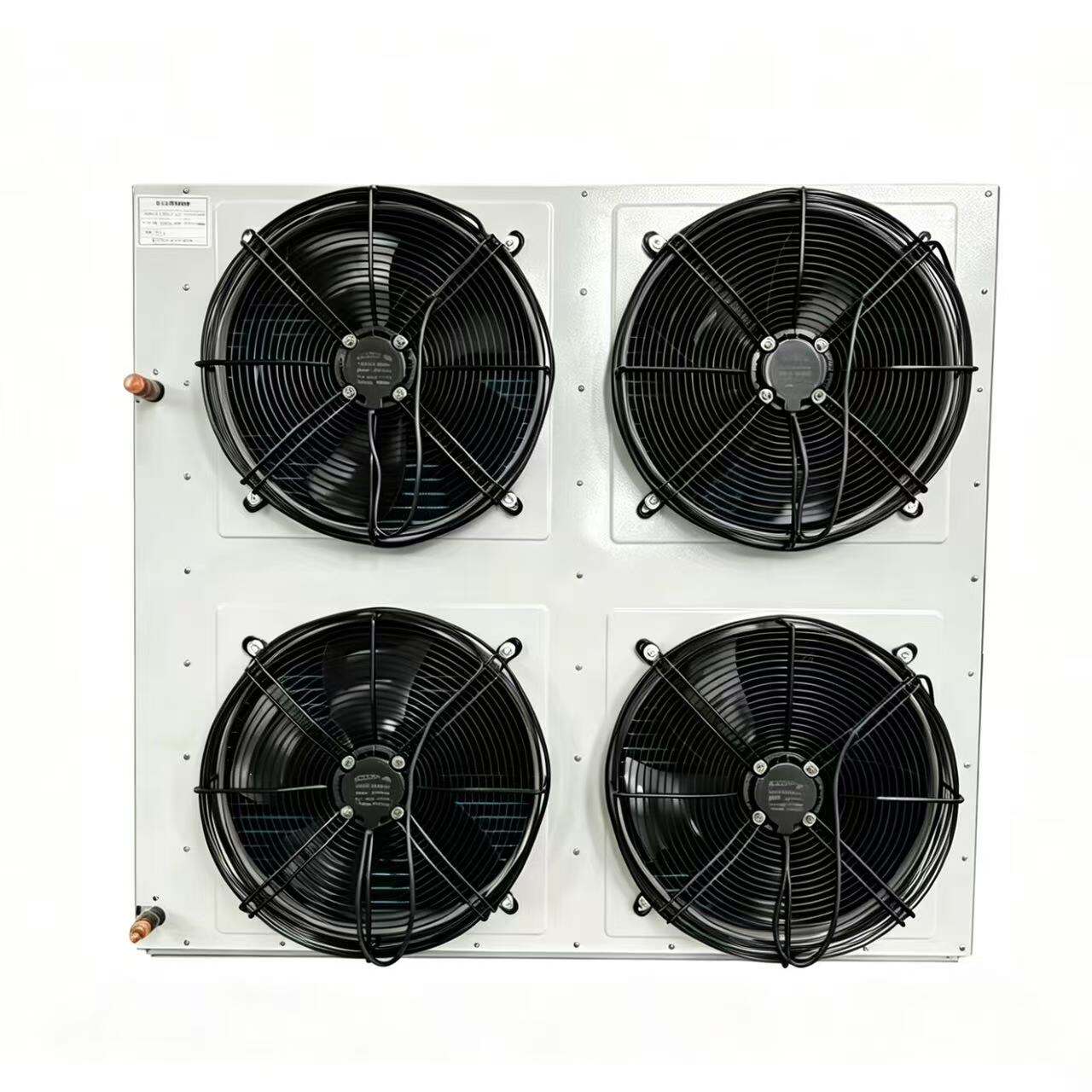
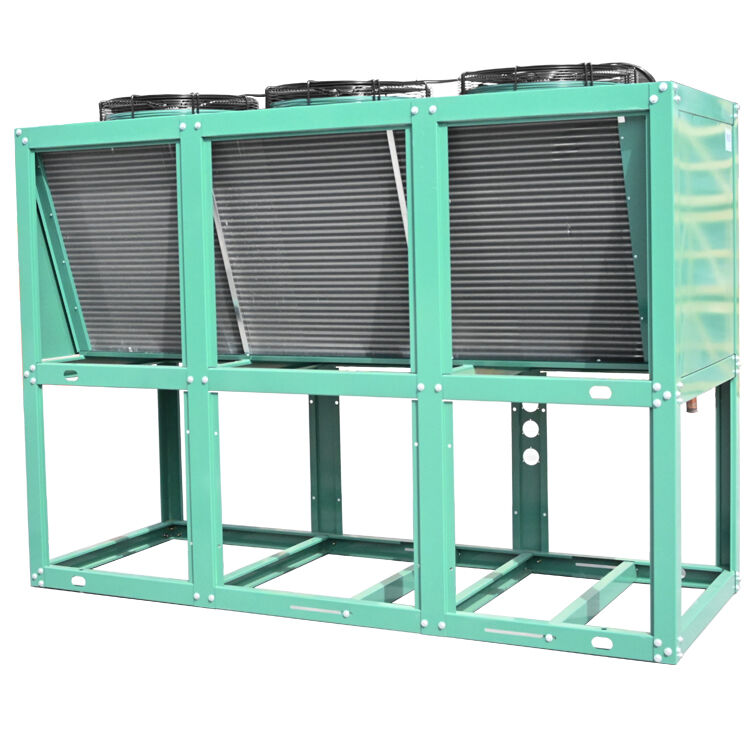
Industrial condensers are essential heat exchange systems designed to convert vapor or gas into liquid form through cooling processes in large-scale manufacturing and processing facilities. These robust units play a critical role in refrigeration systems, power generation plants, chemical processing operations, and HVAC applications where thermal management is paramount. Industrial condensers work by removing heat from refrigerant vapors or process gases, allowing them to condense efficiently and return to the cooling cycle. The technology utilizes various cooling methods including air-cooled, water-cooled, and evaporative designs, each tailored to specific operational requirements and environmental conditions. Modern industrial condensers feature advanced tube configurations, enhanced surface areas, and optimized flow patterns that maximize heat transfer efficiency while minimizing energy consumption. These systems are engineered to handle high-pressure environments, corrosive substances, and demanding continuous operation schedules. Industrial condensers incorporate materials such as copper, stainless steel, titanium, and specialized alloys selected for durability, thermal conductivity, and resistance to chemical degradation. The applications span diverse sectors including food and beverage production, pharmaceutical manufacturing, petrochemical refining, district cooling systems, and commercial refrigeration. By effectively managing thermal loads and enabling efficient phase changes, industrial condensers contribute significantly to process efficiency, product quality, and operational cost reduction across multiple industries.



 EN
EN