refrigeration system condenser
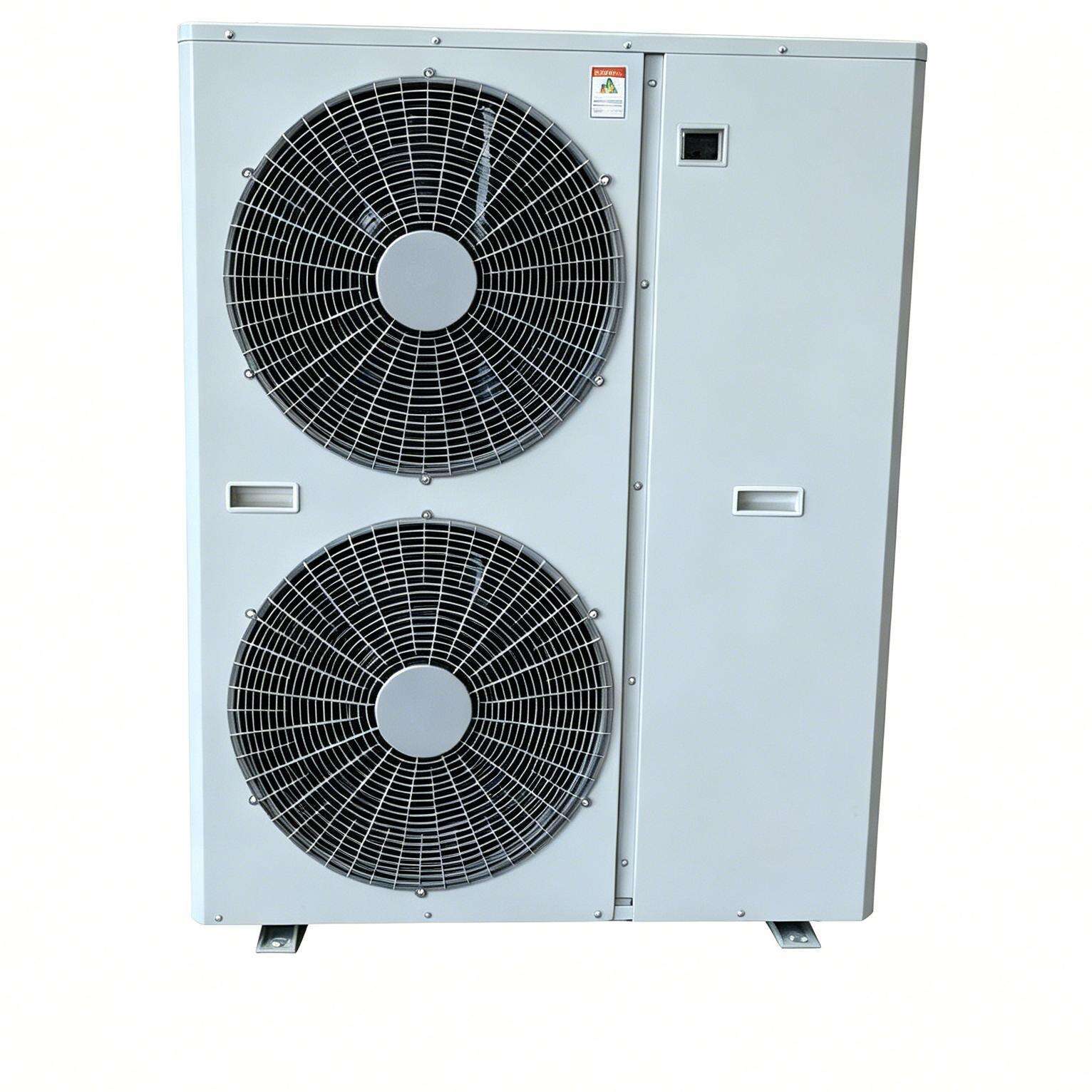
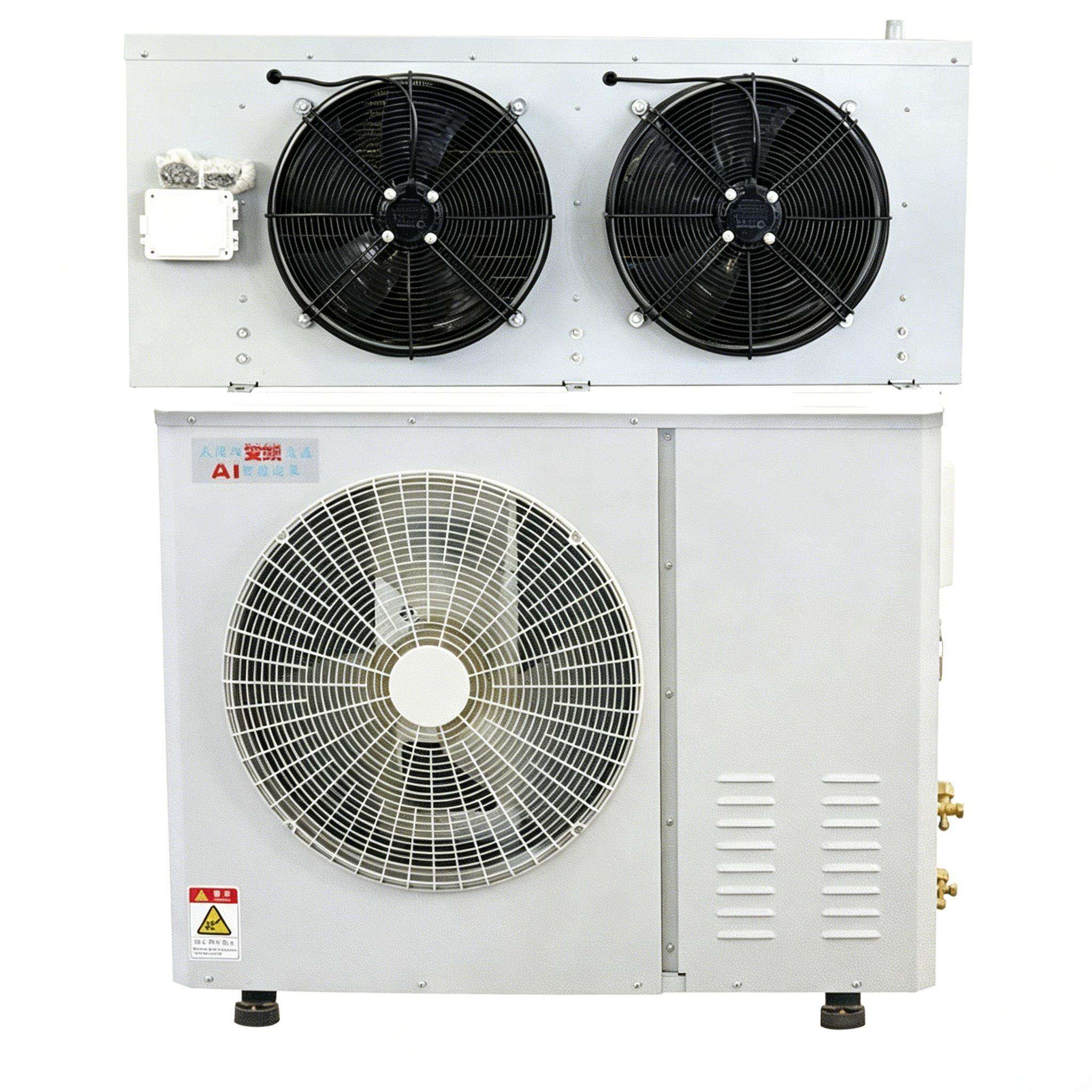
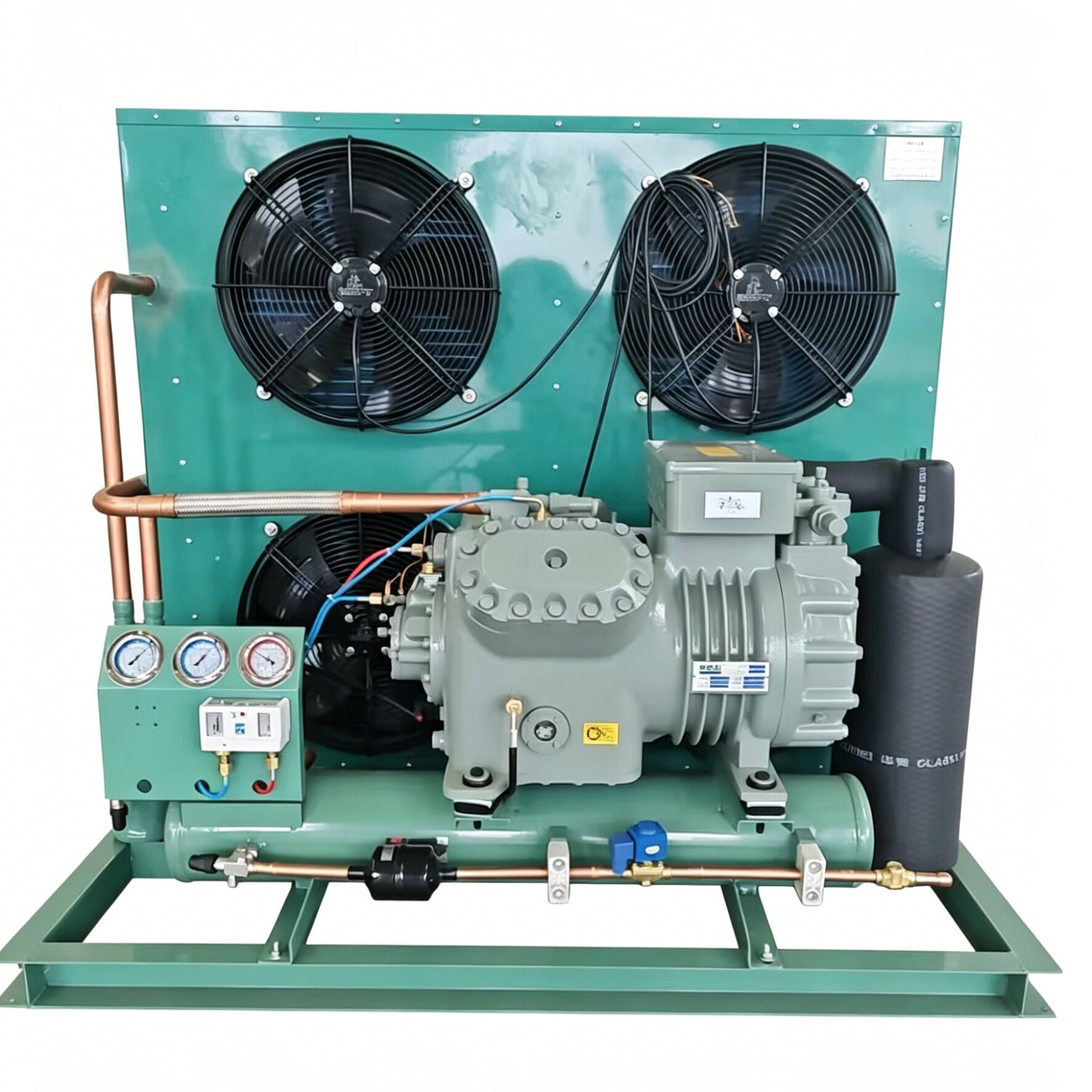
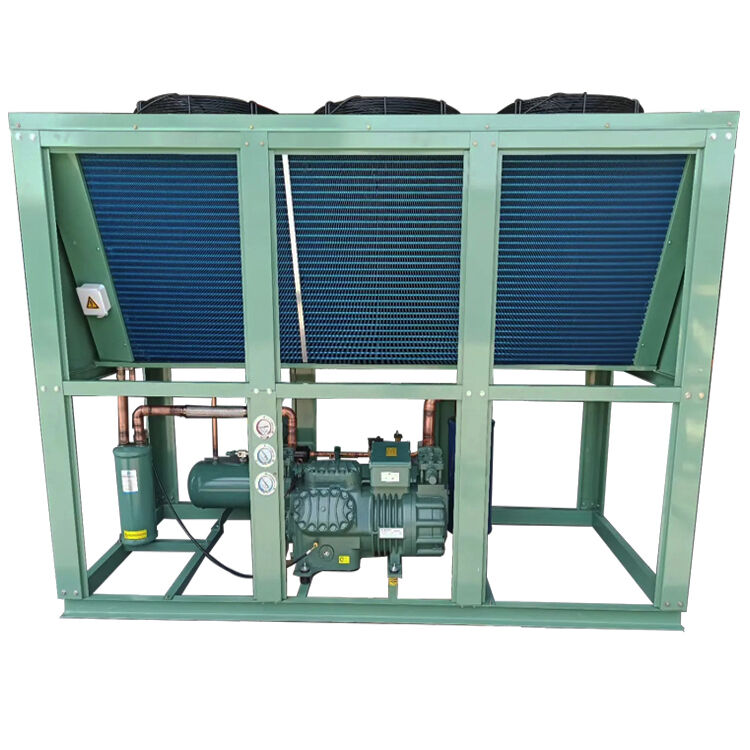
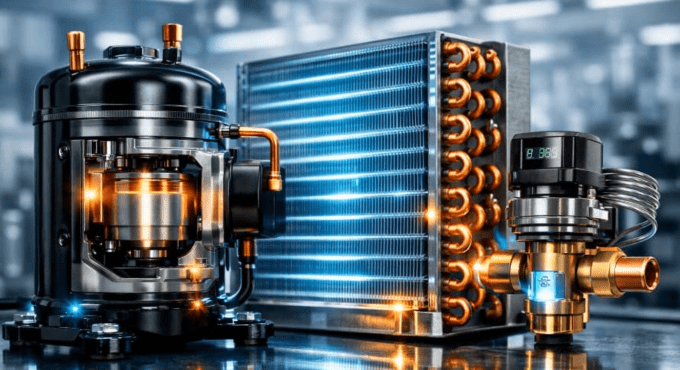
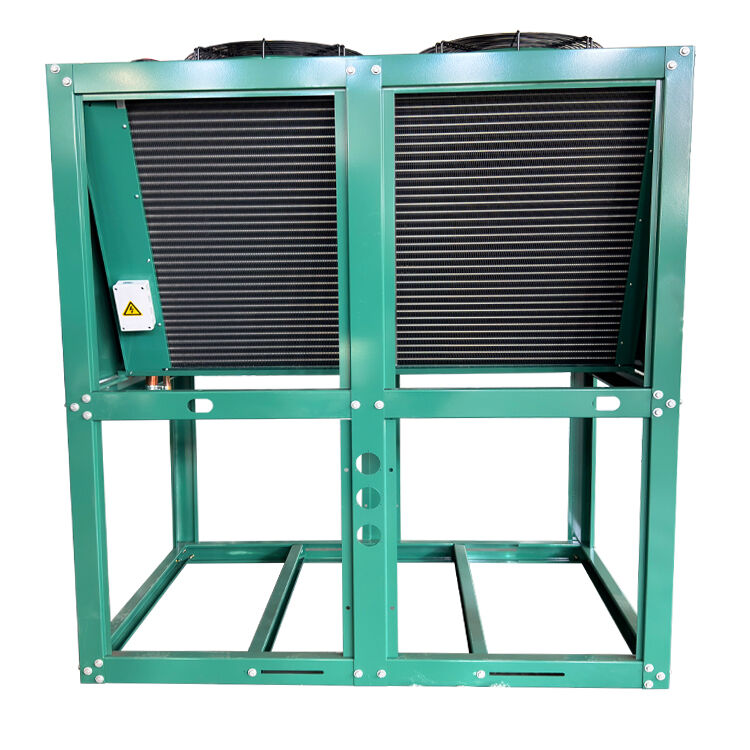
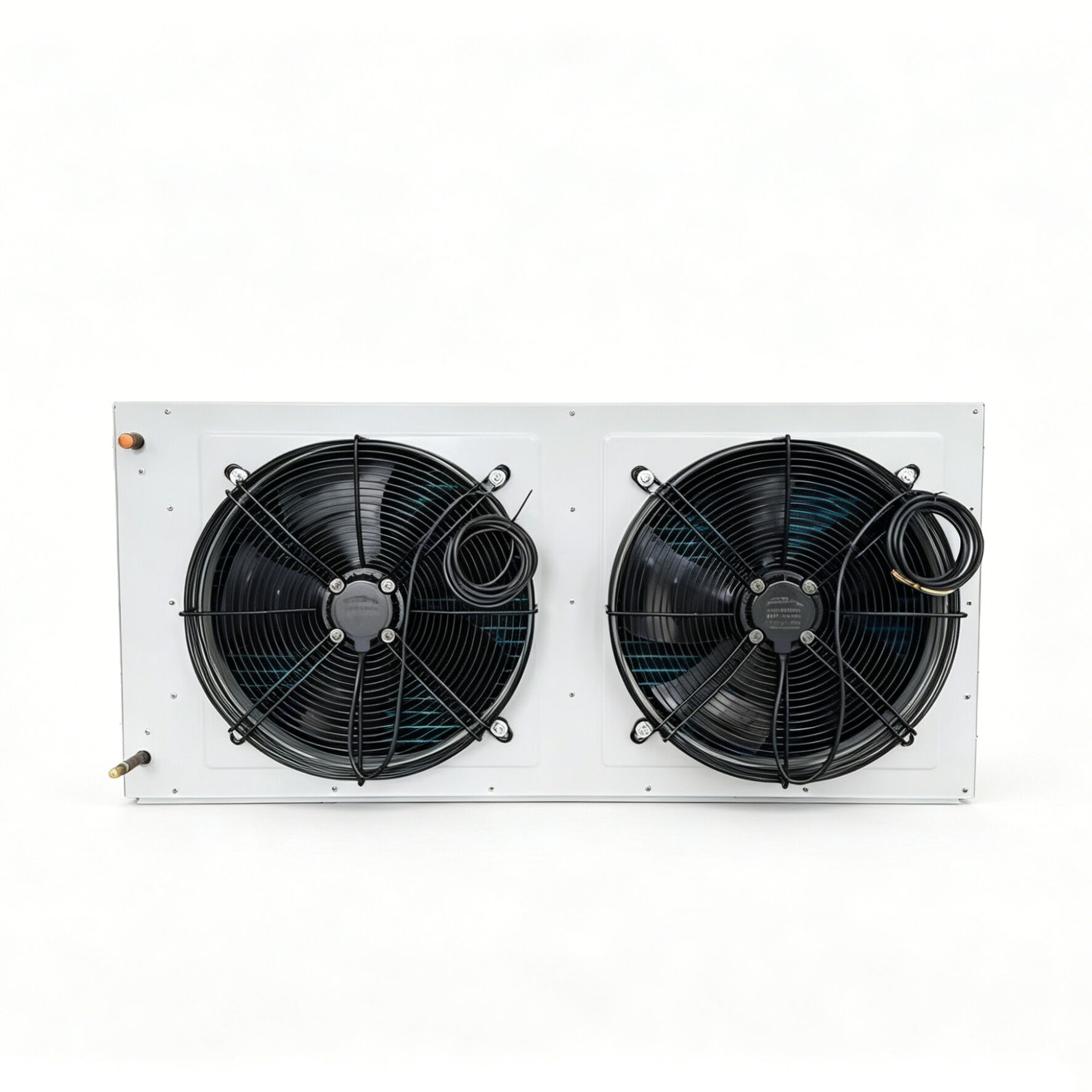
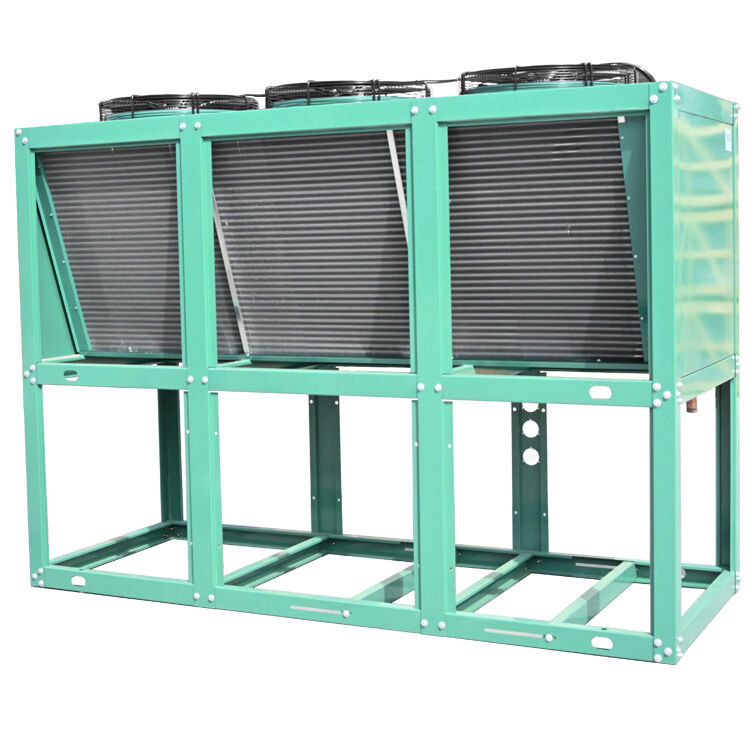
A refrigeration system condenser is a critical heat exchange component that plays an essential role in the cooling cycle of refrigeration equipment. This vital device works by releasing heat absorbed from the refrigerated space into the surrounding environment, enabling continuous and efficient cooling operations. The refrigeration system condenser receives high-pressure, high-temperature refrigerant vapor from the compressor and transforms it into a liquid state through heat dissipation. This phase change process is fundamental to maintaining optimal refrigeration performance across various applications. Modern condensers incorporate advanced engineering designs that maximize surface area contact, facilitating superior heat transfer efficiency. The technological features of a refrigeration system condenser include robust construction materials resistant to corrosion, optimized fin spacing for enhanced airflow, and precision-engineered tubing that ensures consistent refrigerant flow. These components are designed to withstand demanding operational conditions while maintaining energy efficiency. Applications of the refrigeration system condenser span commercial refrigeration units, industrial cooling systems, air conditioning installations, cold storage facilities, food processing plants, and pharmaceutical manufacturing environments. The versatility of condenser designs allows customization based on specific cooling requirements, ambient temperature conditions, and space constraints. Whether in air-cooled, water-cooled, or evaporative configurations, the refrigeration system condenser remains indispensable for reliable temperature control. Understanding the function and capabilities of this component helps businesses select appropriate cooling solutions that deliver consistent performance, reduce energy consumption, and extend equipment lifespan across diverse refrigeration applications.



 EN
EN