 EN
EN

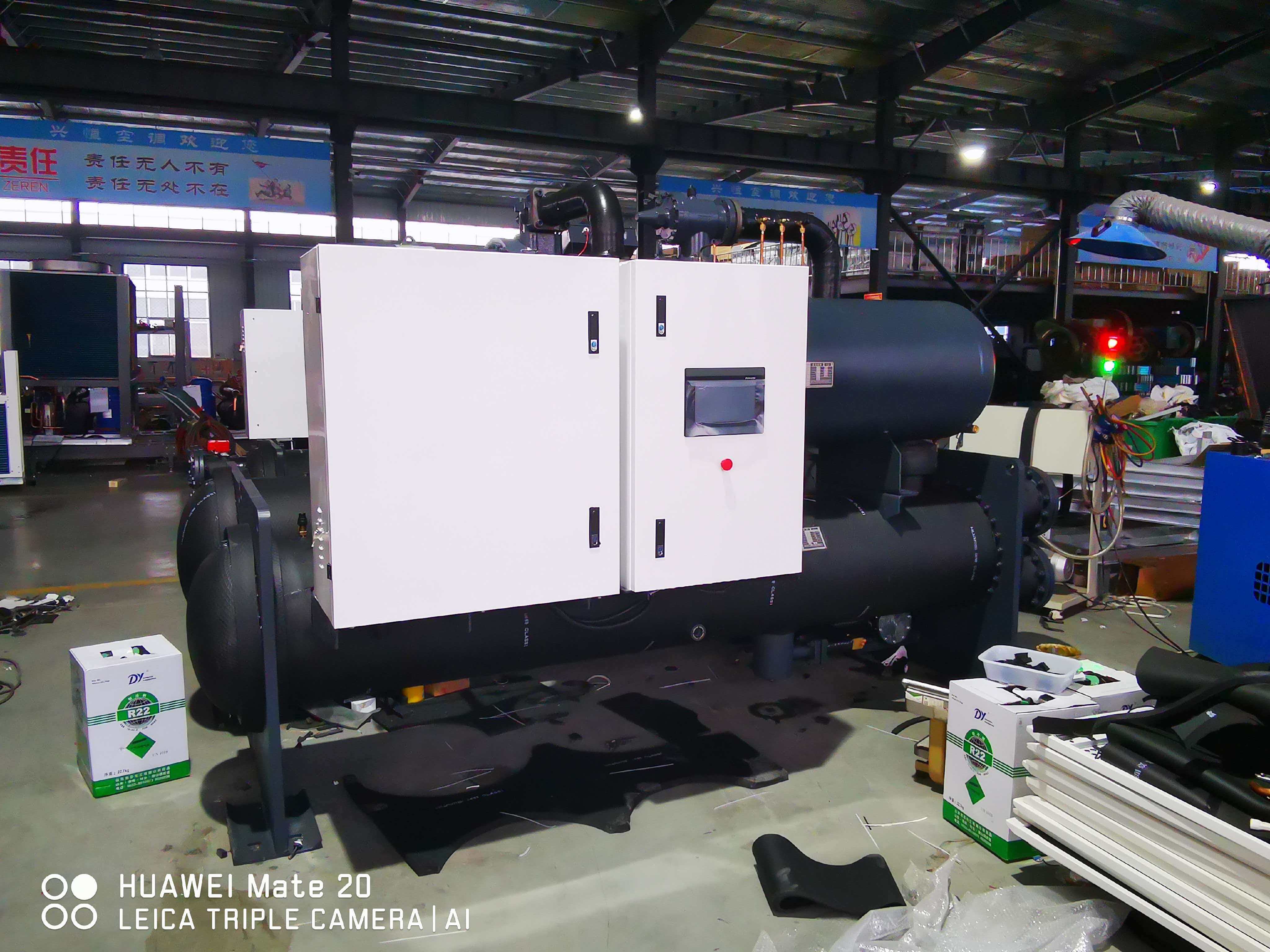
Industrial refrigeration plants demand reliable cooling solutions that balance efficiency, durability, and operational cost management. A water-cooled condensing unit has become the preferred choice for many large-scale operations because it delivers superior heat rejection capabilities and lower energy consumption compared to air-cooled alternatives. Understanding why facilities choose this technology requires examining the mechanical principles, economic advantages, and practical performance benefits that directly impact bottom-line profitability and system longevity.
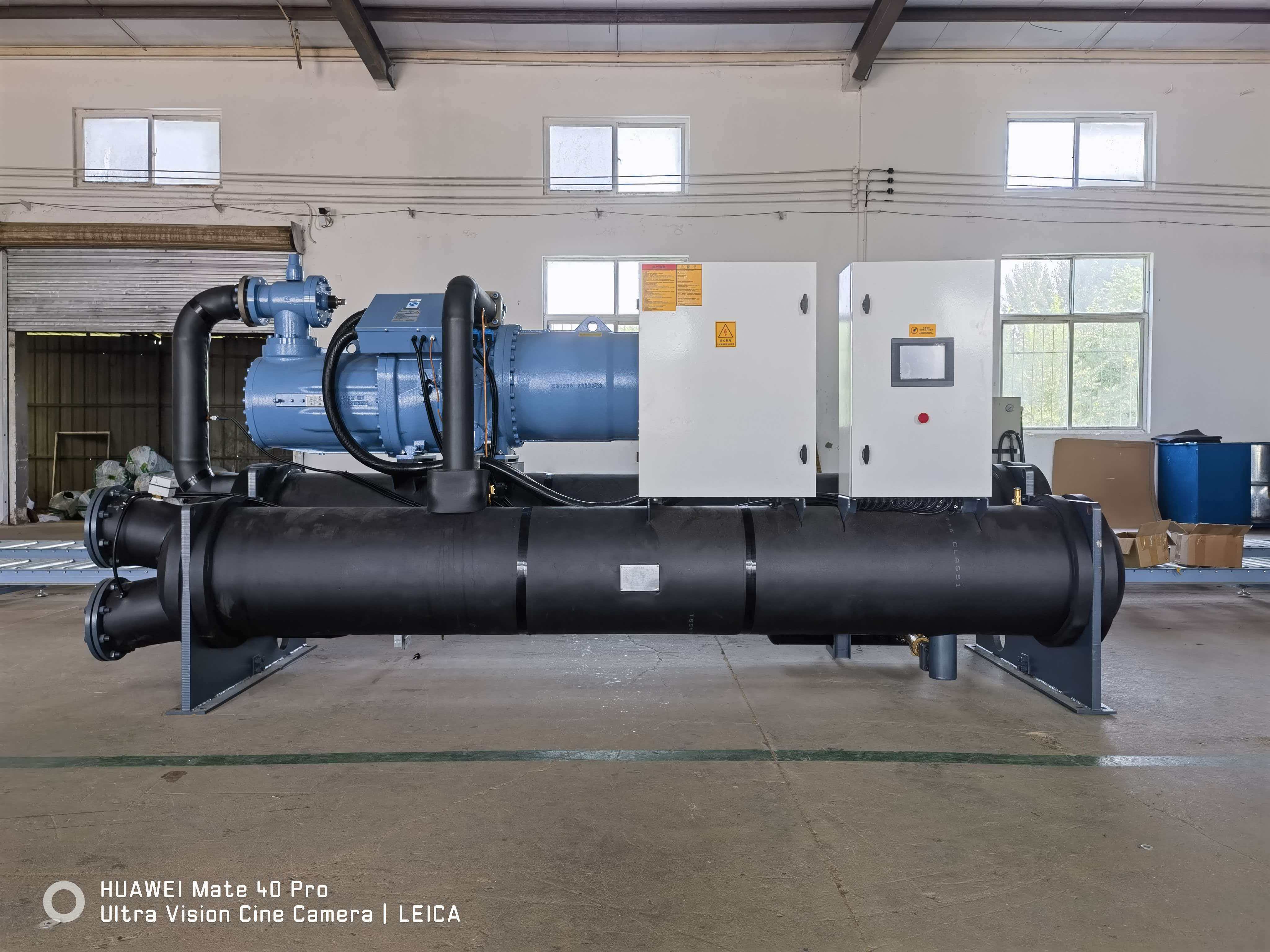
The decision to implement a water-cooled condensing unit represents a strategic investment in industrial refrigeration infrastructure. Unlike air-cooled systems that rely on ambient air temperature and fan efficiency, a water-cooled condensing unit leverages the superior heat-transfer properties of water to maintain consistent condenser temperatures even during peak load periods. This fundamental advantage translates into measurable operational improvements that justify the initial capital expenditure and ongoing maintenance requirements.
Superior Heat Rejection and Temperature Control
How Water-Cooled Condensing Units Manage Heat Dissipation
A water-cooled condensing unit operates by passing refrigerant through internal tubes while cooling water circulates around them, creating an efficient counter-flow heat exchange. This design allows the water-cooled condensing unit to reject significantly more heat in a smaller physical footprint than comparable air-cooled equipment. The condenser water temperature remains stable because most industrial facilities circulate cooled water through a cooling tower, which continuously exposes the water to atmospheric evaporative cooling. As a result, the water-cooled condensing unit maintains lower refrigerant saturation temperatures, reducing the pressure differential the compressor must overcome and extending equipment life by minimizing thermal stress on components.
Impact on System Reliability and Uptime
Consistent refrigerant temperatures directly improve the reliability of a water-cooled condensing unit. When condenser temperatures fluctuate widely, compressor discharge pressures spike, forcing protective shutdowns and reducing production uptime. A water-cooled condensing unit mitigates this risk by maintaining tighter temperature bands throughout the cooling cycle. Industrial facilities operating around-the-clock freezing, blast cooling, or process chilling applications cannot tolerate frequent pressure relief events, making the stable performance of a water-cooled condensing unit essential to meeting production schedules and contractual delivery obligations.
Energy Efficiency and Operating Cost Reduction
Lower Power Consumption Across Operating Hours
The primary economic driver for selecting a water-cooled condensing unit is reduced electrical demand. Because the refrigerant discharge pressure in a water-cooled condensing unit remains lower than in air-cooled systems, the compressor requires less work to move refrigerant through the circuit. Over a year of continuous operation, this efficiency advantage compounds dramatically. A typical industrial refrigeration plant running 8,000 to 8,760 operating hours annually can achieve 15 to 25 percent energy savings by switching from an air-cooled system to a properly sized water-cooled condensing unit. When electricity costs exceed 0.10 dollars per kilowatt-hour, these savings often offset the initial equipment premium within three to five years of operation.
Water Circulation and Total Cost of Ownership
While a water-cooled condensing unit requires auxiliary equipment like cooling towers and circulation pumps, the combined energy draw of these support systems remains significantly lower than the added compressor load demanded by an air-cooled unit. The water-cooled condensing unit design pushes auxiliary energy to the cooling tower, where evaporative cooling is inherently efficient and free of seasonal ambient temperature constraints. This means a water-cooled condensing unit continues to operate at peak efficiency even during hot summer months when air-cooled condensers suffer performance degradation. Facility planners recognizing this advantage structure their water-cooled condensing unit investments to align with long-term energy budget reductions rather than viewing the system solely as a capital expense.
Environmental Conditions and Application Suitability
Performance Independence from Ambient Climate
Geographic location and seasonal temperature swings influence whether a water-cooled condensing unit delivers consistent advantages over air-cooled alternatives. Facilities in hot climates, urban environments with poor natural ventilation, or regions experiencing high ambient temperatures benefit most from a water-cooled condensing unit because air-cooled systems lose capacity and efficiency as outdoor temperatures climb. A water-cooled condensing unit configured with cooling tower support maintains its performance curve across the entire year, enabling operators to guarantee refrigeration capacity to customers and suppliers regardless of external weather conditions. This predictability is particularly valuable for food processing plants, pharmaceutical manufacturers, and cold storage warehouses where product quality depends on maintaining exact temperature setpoints.
Space Constraints and Facility Layout Flexibility
Industrial properties often face spatial limitations that favor a water-cooled condensing unit over air-cooled equipment. A water-cooled condensing unit occupies substantially less space because it eliminates the need for surrounding clearance required by air-cooled condenser fans. Facilities can install a water-cooled condensing unit indoors, underground, or in compact machine rooms, whereas air-cooled systems demand roof-mounted placement with adequate airflow access. This flexibility allows retrofitting operations to upgrade refrigeration capacity in existing buildings without major structural modifications. Additionally, a water-cooled condensing unit operates silently compared to air-cooled systems, eliminating noise pollution concerns that matter in urban industrial zones and mixed-use developments.
FAQ
What maintenance requirements does a water-cooled condensing unit demand?
A water-cooled condensing unit requires regular condenser tube cleaning to prevent mineral scale accumulation that reduces heat transfer efficiency. Depending on water quality and cooling tower design, maintenance technicians should inspect the water-cooled condensing unit monthly or quarterly. The refrigerant circuit itself demands annual pressure testing and routine oil sampling to detect leaks early. Cooling tower maintenance represents the largest auxiliary task, involving biocide treatment, fan belt inspection, and drain pan cleaning. Despite these requirements, the total maintenance cost for a well-maintained water-cooled condensing unit typically remains lower than the energy expenses saved compared to air-cooled alternatives.
Can a water-cooled condensing unit work with existing air-cooled piping infrastructure?
Converting from an air-cooled system to a water-cooled condensing unit requires installing new water supply and return lines, a cooling tower, and circulation pumps, so retrofitting a water-cooled condensing unit into a facility with only air-cooled plumbing demands significant design work. However, most industrial buildings already have utility water infrastructure or drainage systems that can be adapted to support a water-cooled condensing unit retrofit. Consulting with refrigeration engineers ensures that the water-cooled condensing unit integrates smoothly into existing piping layouts. This evaluation step prevents expensive mistakes and confirms that a water-cooled condensing unit investment will deliver the promised efficiency gains.
How does a water-cooled condensing unit perform during seasonal temperature variations?
A water-cooled condensing unit maintains stable performance because cooling tower water temperature remains relatively constant across seasons due to evaporative cooling principles, unlike ambient air temperature that swings widely. During winter, a water-cooled condensing unit may achieve even lower condenser temperatures if the cooling tower operates at reduced capacity, further improving compressor efficiency. Some facilities operate their water-cooled condensing unit with free cooling modes during cold months, where outdoor air directly cools the water before it enters the condenser tubes. This seasonal adaptability makes a water-cooled condensing unit ideal for industrial regions experiencing significant temperature swings.