Adaptability to Diverse Heat Sources
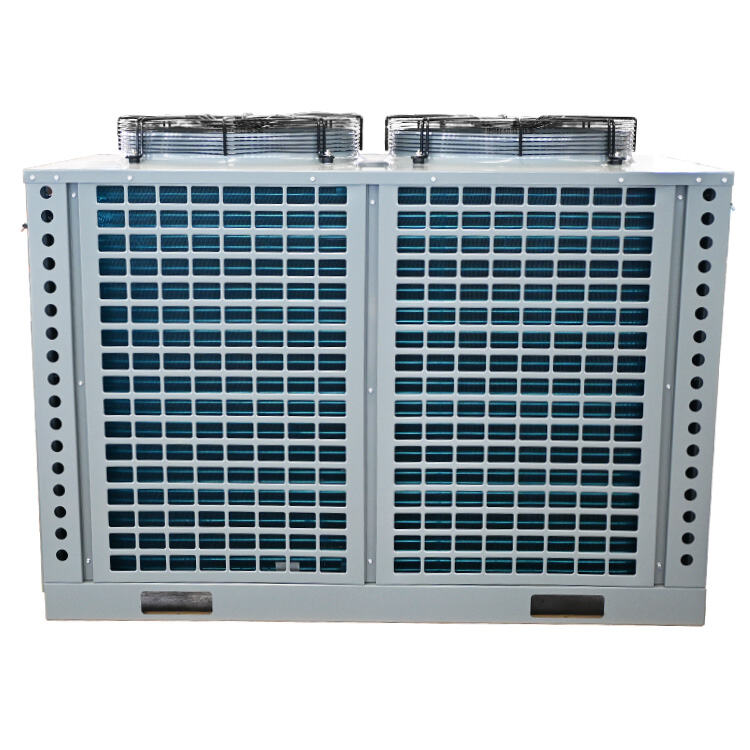
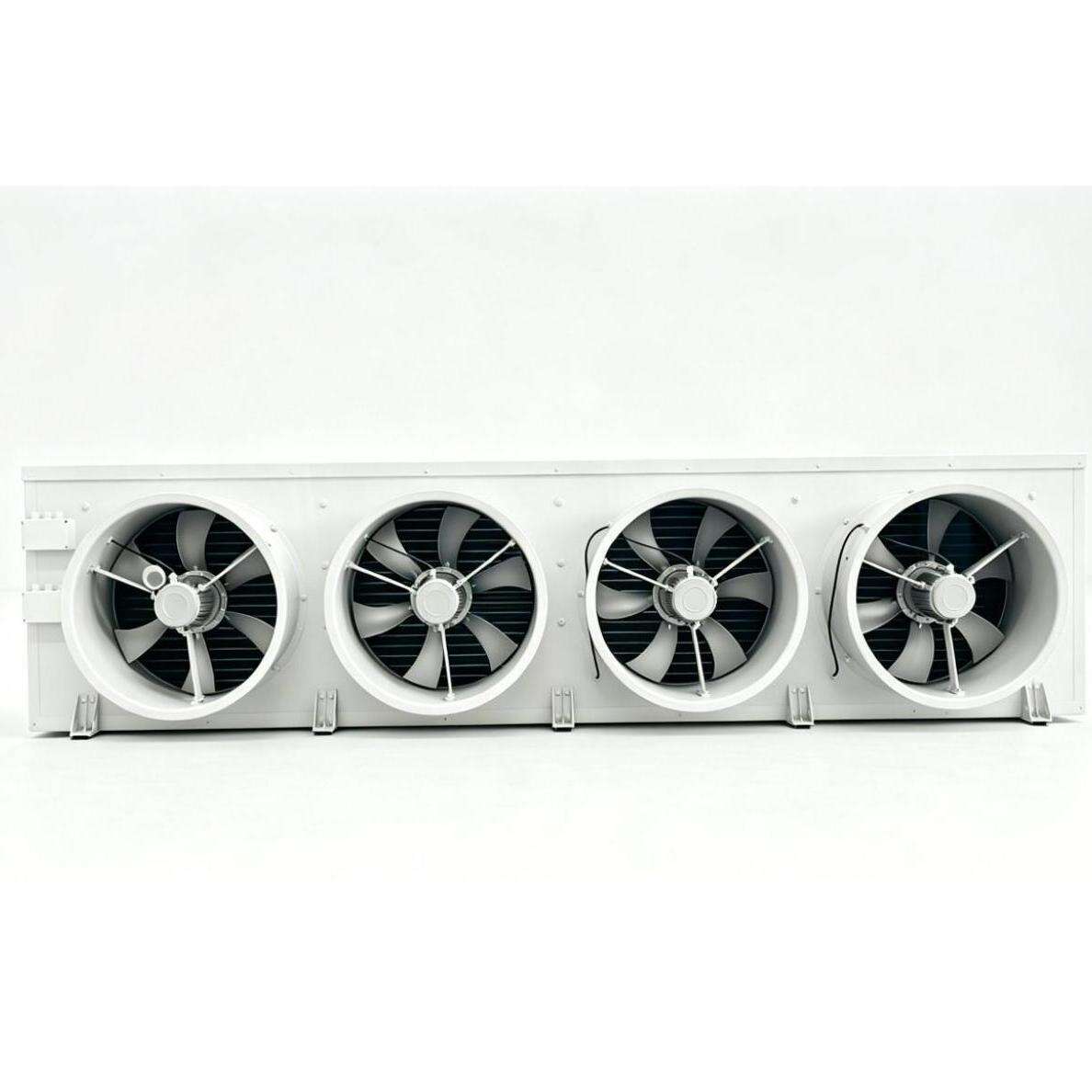
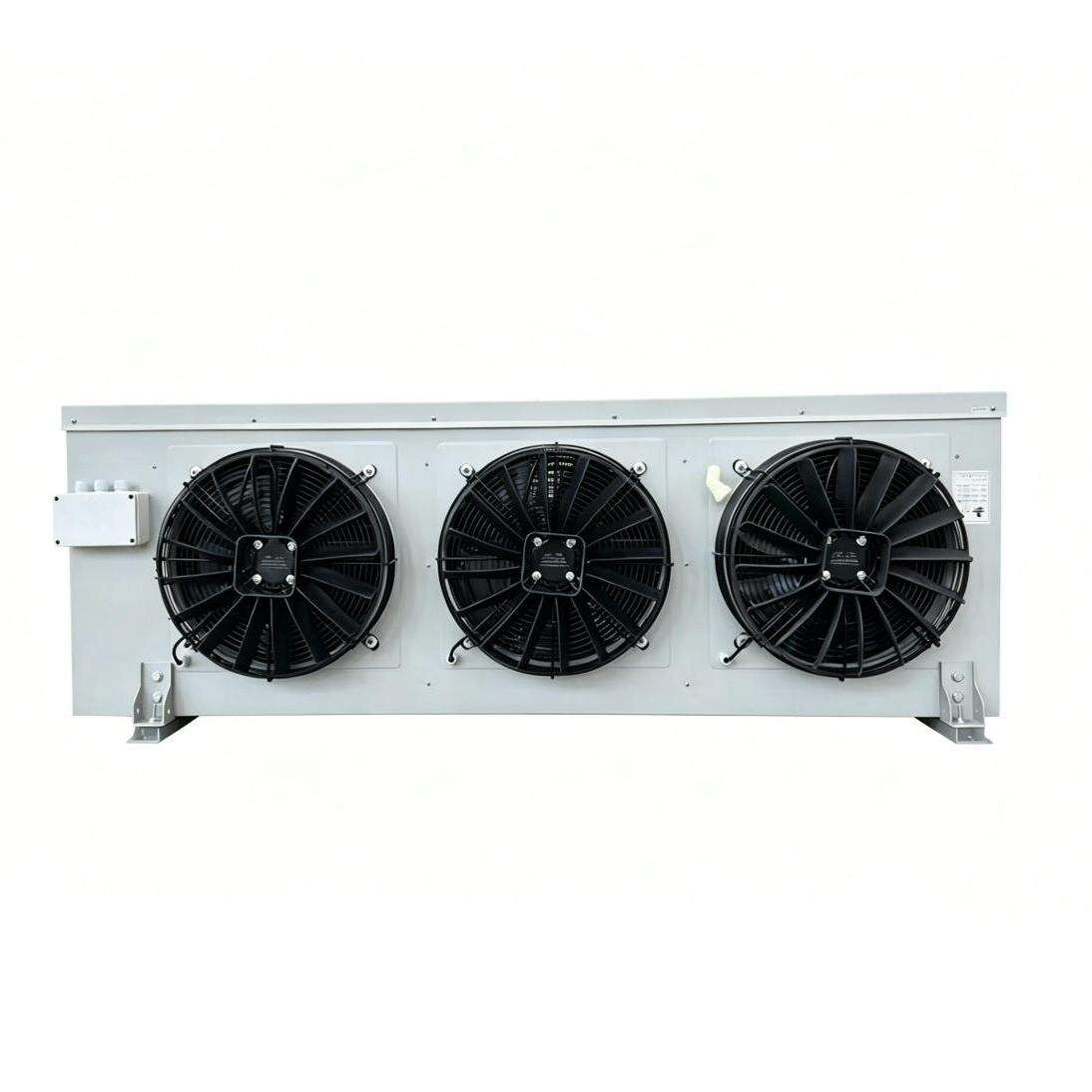
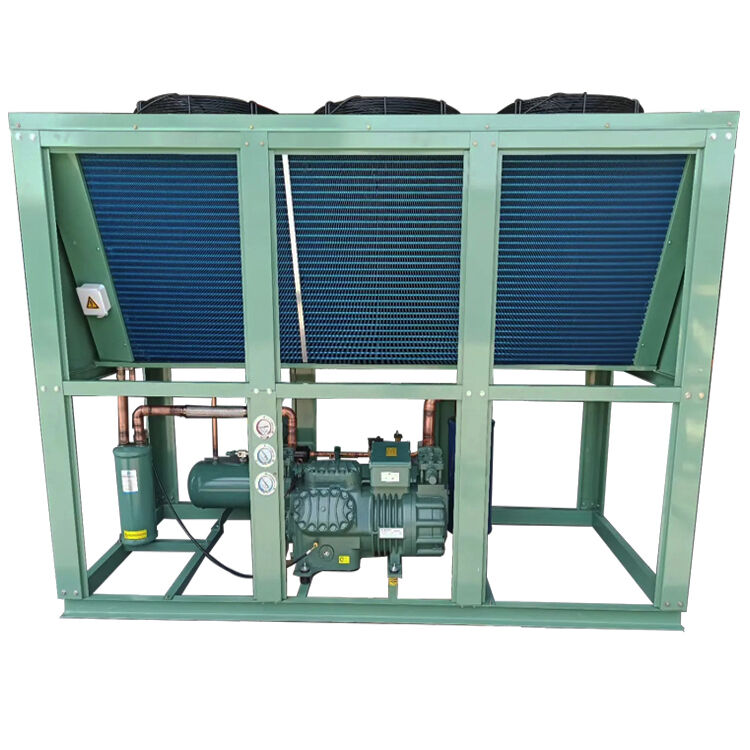
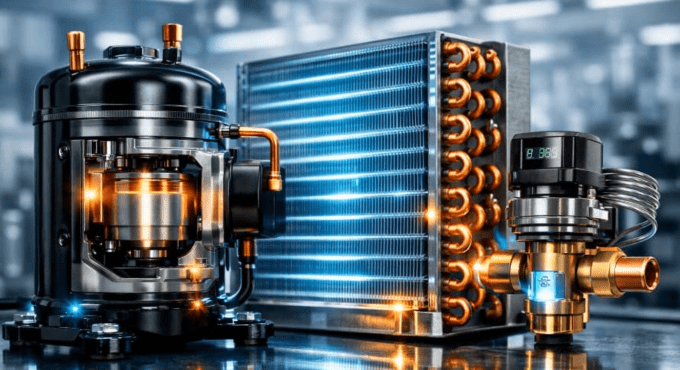
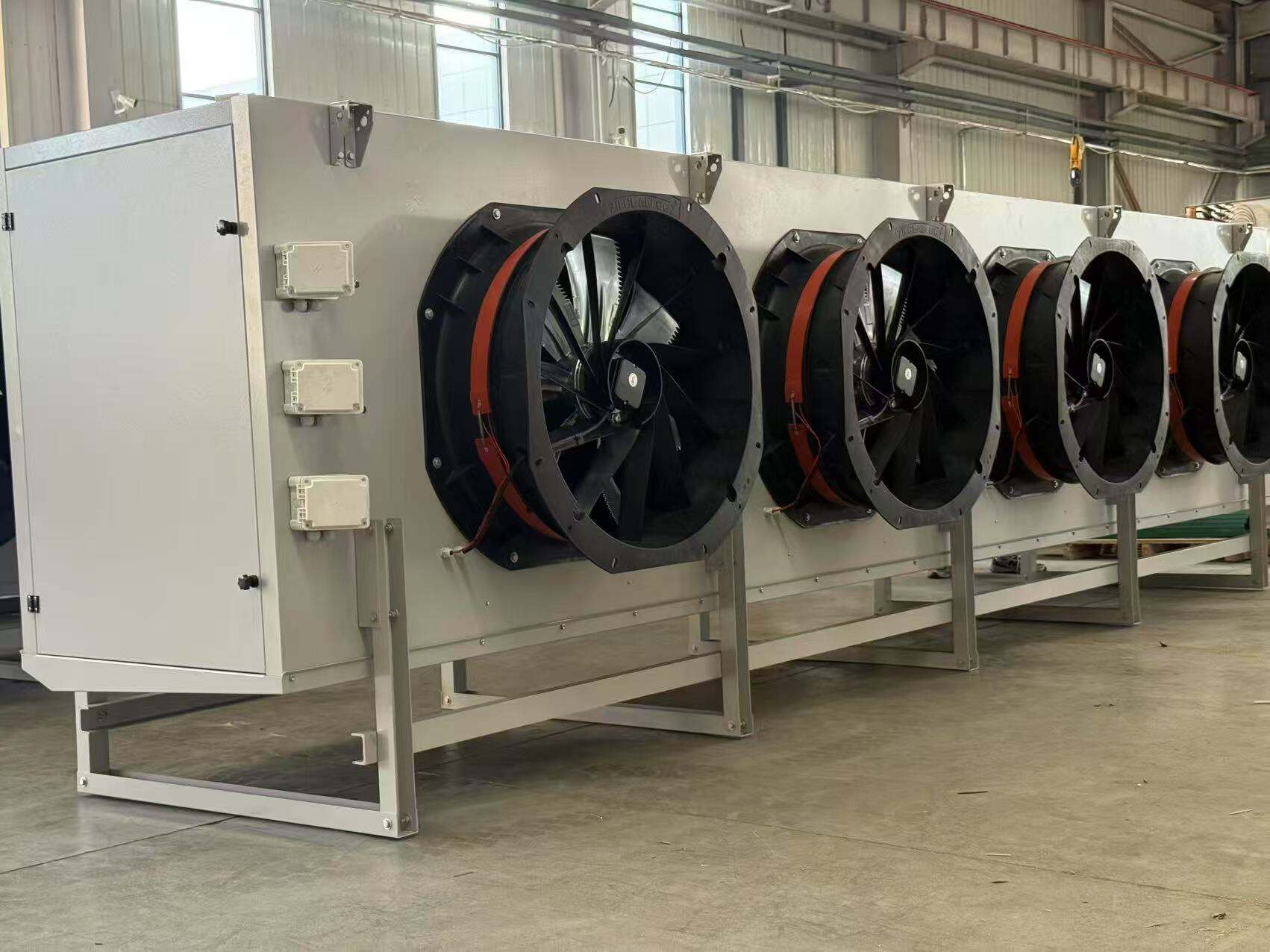
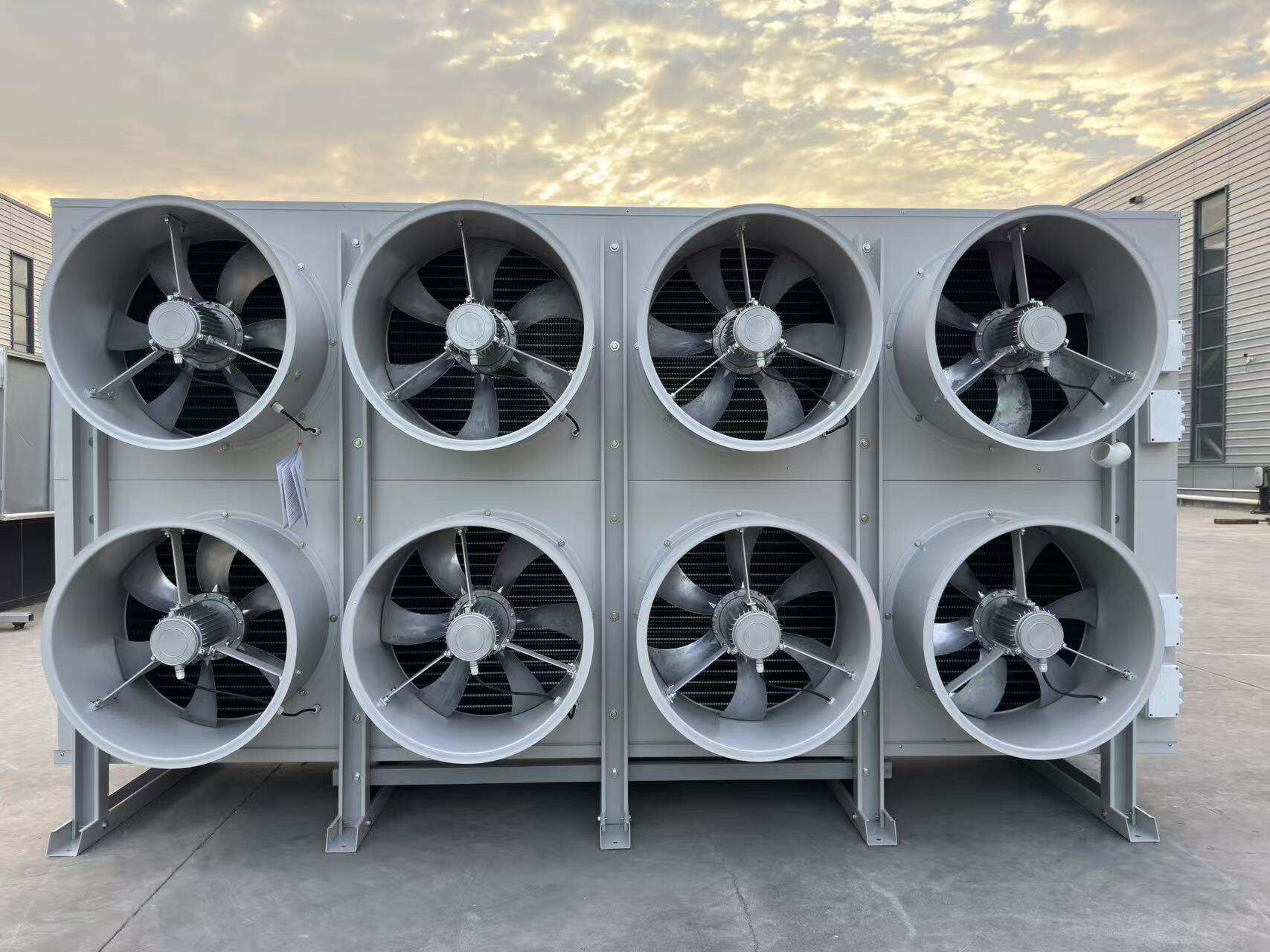
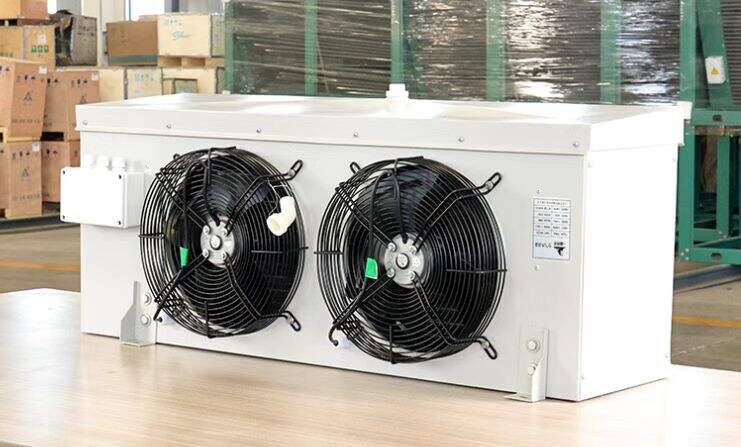
The heat pump evaporator demonstrates remarkable versatility by efficiently extracting thermal energy from air, water, ground, and waste heat sources, enabling system designers to select the most economically advantageous option for specific site conditions. Air-source configurations utilize ambient outdoor air as a readily available heat reservoir, requiring no specialized infrastructure beyond adequate airflow pathways. Water-source variants connect to wells, lakes, rivers, or closed-loop systems, capitalizing on the stable thermal properties of liquid media for consistent year-round performance. Ground-source applications pair the heat pump evaporator with buried pipe networks that access the earth's constant subsurface temperatures, delivering superior efficiency in extreme climates. Industrial installations may interface the heat pump evaporator with process cooling water, exhaust air streams, or equipment waste heat, transforming otherwise discarded thermal energy into useful heating capacity. This adaptability extends to refrigerant selection, operating pressure ranges, and temperature differentials, allowing customization for specialized requirements such as low-temperature heat recovery, high-temperature heating applications, or simultaneous heating and cooling demands. The heat pump evaporator configuration flexibility empowers buyers to optimize system design for their unique circumstances, maximizing efficiency and economic returns while accommodating site-specific constraints or opportunities.




 EN
EN